
Report Finds 45% Increase in Americans Providing Care, How Can You Help?
In a recent story published by AARP, research shows the number of family caregivers has jumped to 63 million Americans, representing a 45 percent increase, or nearly 20 million more caregivers, over the past decade, according to a joint report by AARP and the National Alliance for Caregiving (NAC). This means roughly 1 in 4 American adults are caregivers, with 59 million caring for adults and 4 million for children under 18 with an illness or disability.

The new report, Caregiving in the US 2025, is a near 30-year research series that provides a comprehensive look at the state of caregiving in America, revealing how caregivers are taking on more complex responsibilities, often at the expense of their own health and financial security. Today’s family caregivers are younger, more diverse and more likely to be juggling multiple roles, with nearly a third caring for both children and adults.
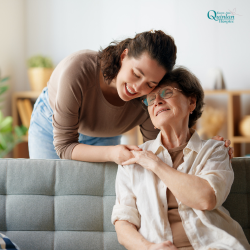
Many of us know someone who is a caregiver or you may be a caregiver yourself. Many caregivers feel alone, helpless, confused, unprepared, tired and unable to provide for the needs of their family member or friend. Many caregivers put the loved one that they are caring for first all the time, which puts strain on their own mental and physical health. Often, people caring for another need help and do not know how or who to ask.
There are many ways to help support a caregiver…
Ask the caregiver how they are doing:
Acknowledge what they are going through and let them know you respect their privacy, but care about them and want to offer support and a listening ear. Caregivers tend to experience “caregiver’s guilt,” which is a feeling that they think they aren’t doing enough. Give them strength by reassuring them that they are doing everything possible for the person they are caring for.
Spend time with the person who is sick or injured:
Family caregivers are often the only link the care receiver has with the outside world. Offering to spend time with the person can be a gift to both the care receiver and caregiver. Bring a book or newspaper to read aloud, a game to play, a craft to do together, photos to share, a good movie to watch, or just a friendly ear for a conversation. And plan to stay a while, it will be appreciated more then you know.
Offer specific help:
Don’t say “call me if you need me,” it is too vague and may not appear to be a sincere offer to help. Often caregivers do not want to be a bother or may not feel they have the time to make a call, as it is one more thing for them to do. Be specific: tell the caregiver you are going grocery shopping and ask them what can you pick up for them, offer to make a phone call for them, cook a meal for the caregiver and care receiver a day or two each week (pick the days and stick to it, that’s one less thing the caregiver has to worry about those days), sit with the person who is ill, do research to find local and legitimate resources that would be helpful for the caregiver given their situation, take care of the person who is ill overnight, if you are able to do so, giving the caregiver a much needed overnight break or go with the caregiver to appointments and help the caregiver get the care receiver into and out of the appointment. You never realize how helpful a second set of hands is when you are taking someone who is dependent on you out of their home to appointments.
By offering to do something specific, you are communicating that you are really willing to help the caregiver. If you call the caregiver and they don’t answer, text them. Sometimes caregivers feel so burned out they don’t want to answer the phone or can’t answer the phone and texting is a quick way for them to respond back to you when they have a moment. They will be thankful you reached out and want to help in whatever way you can.
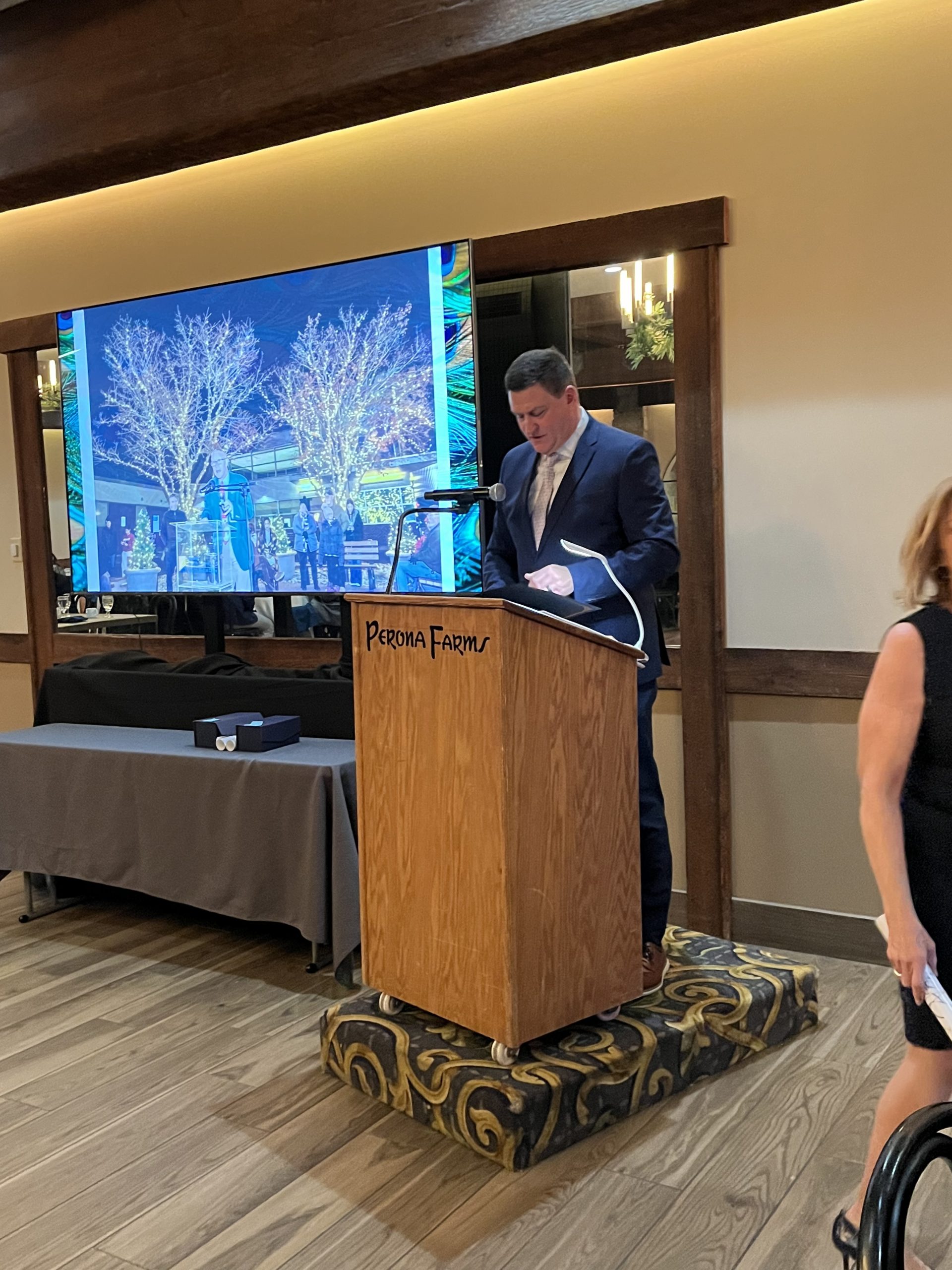
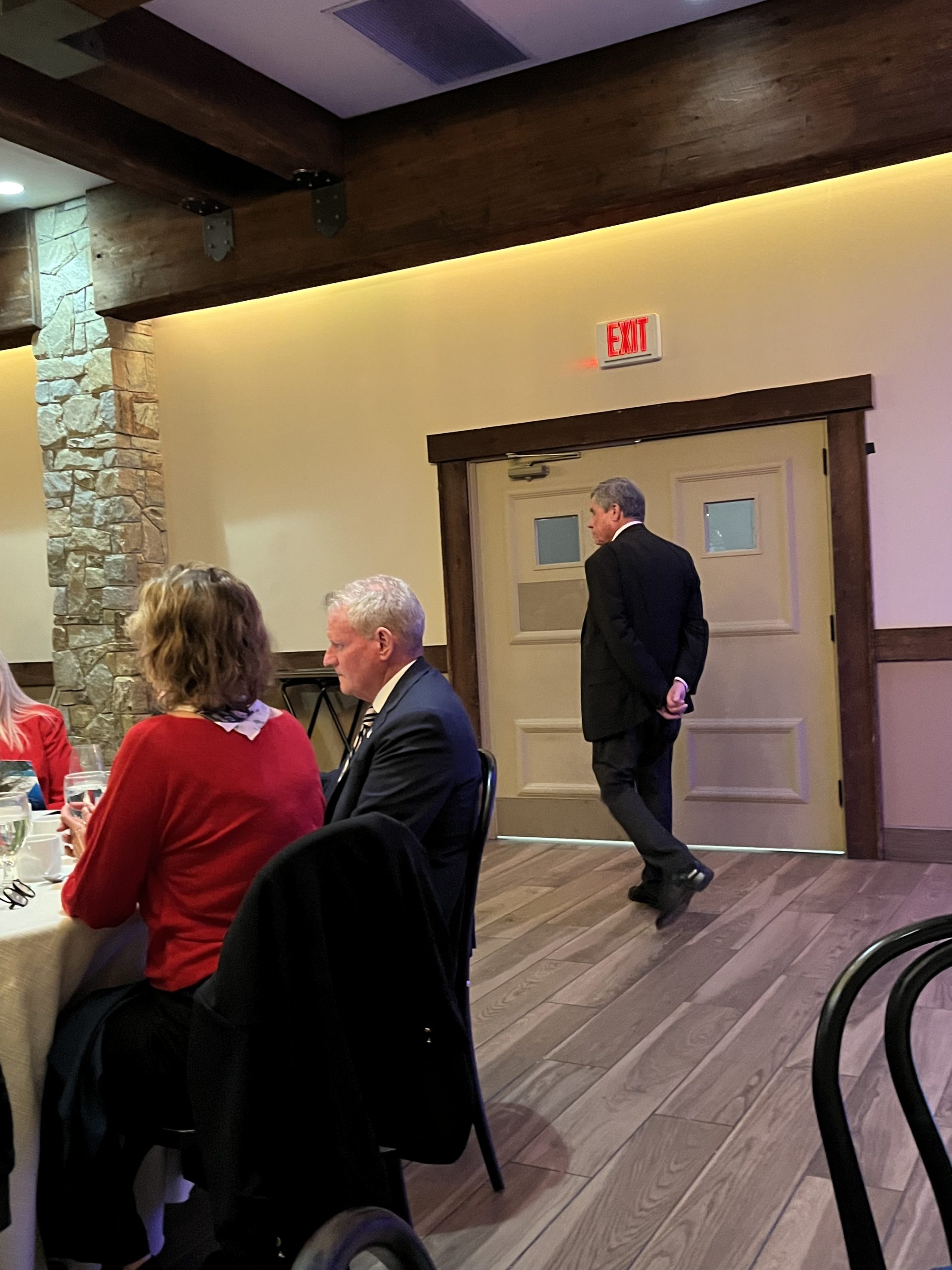
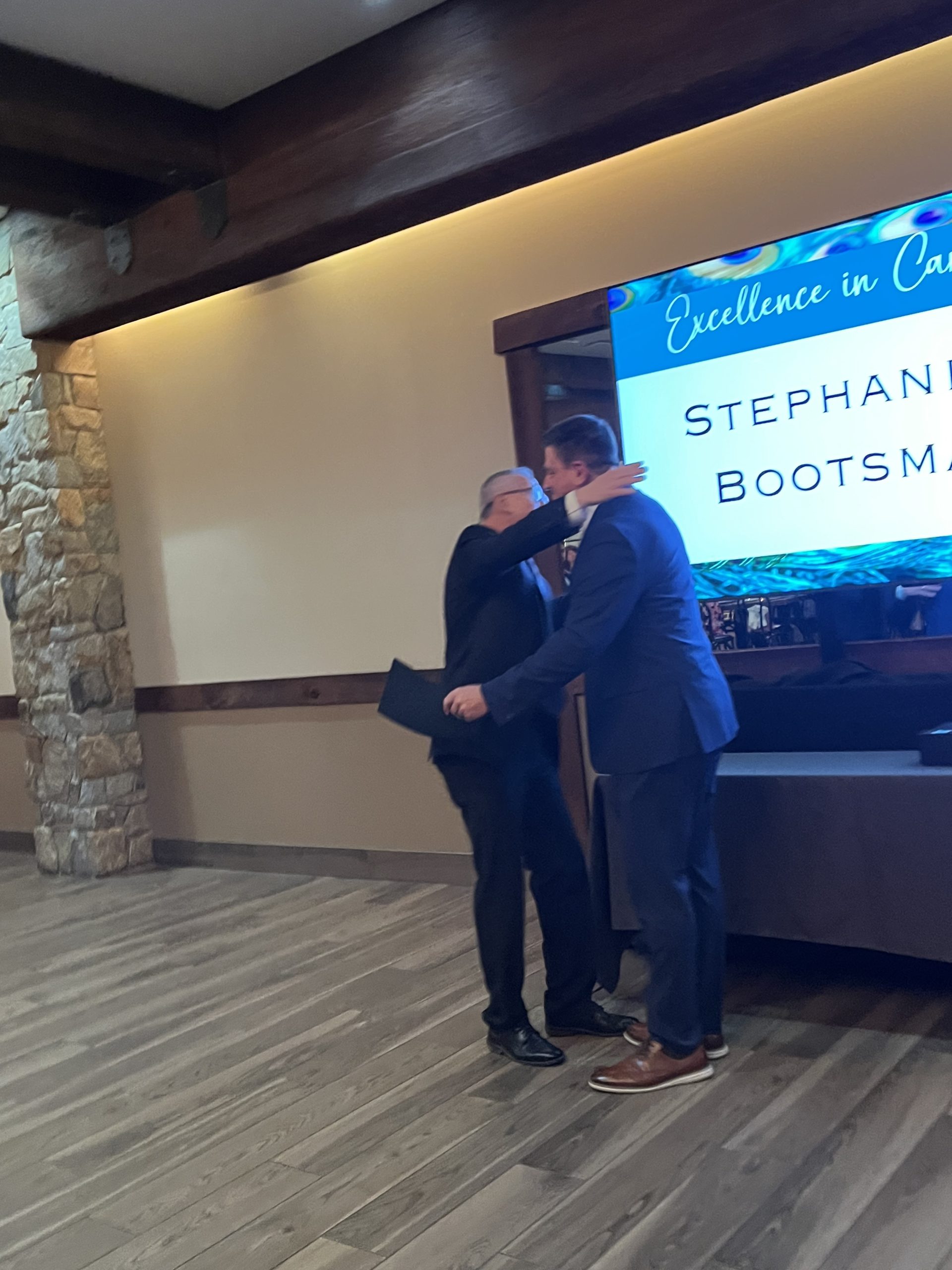
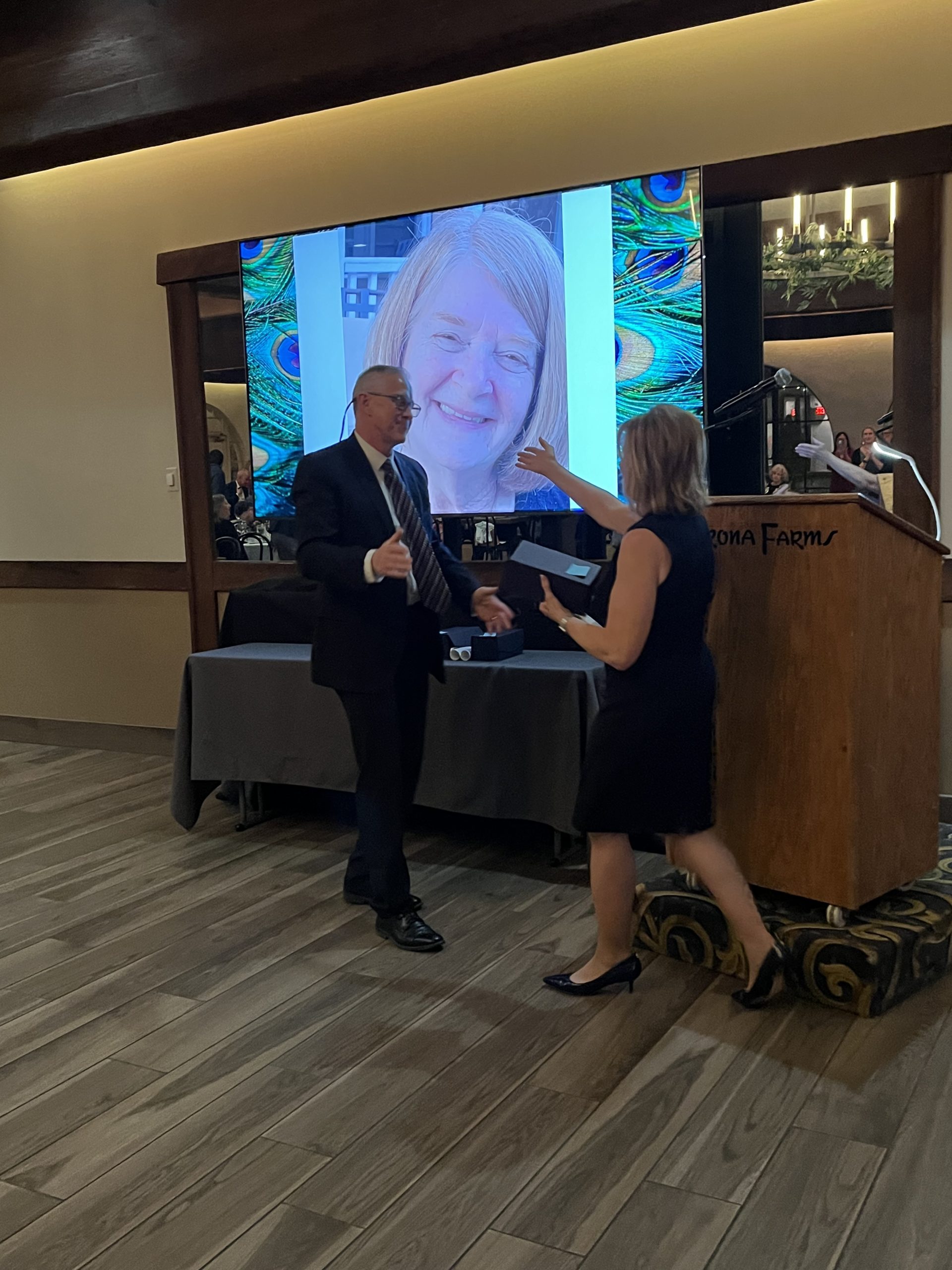
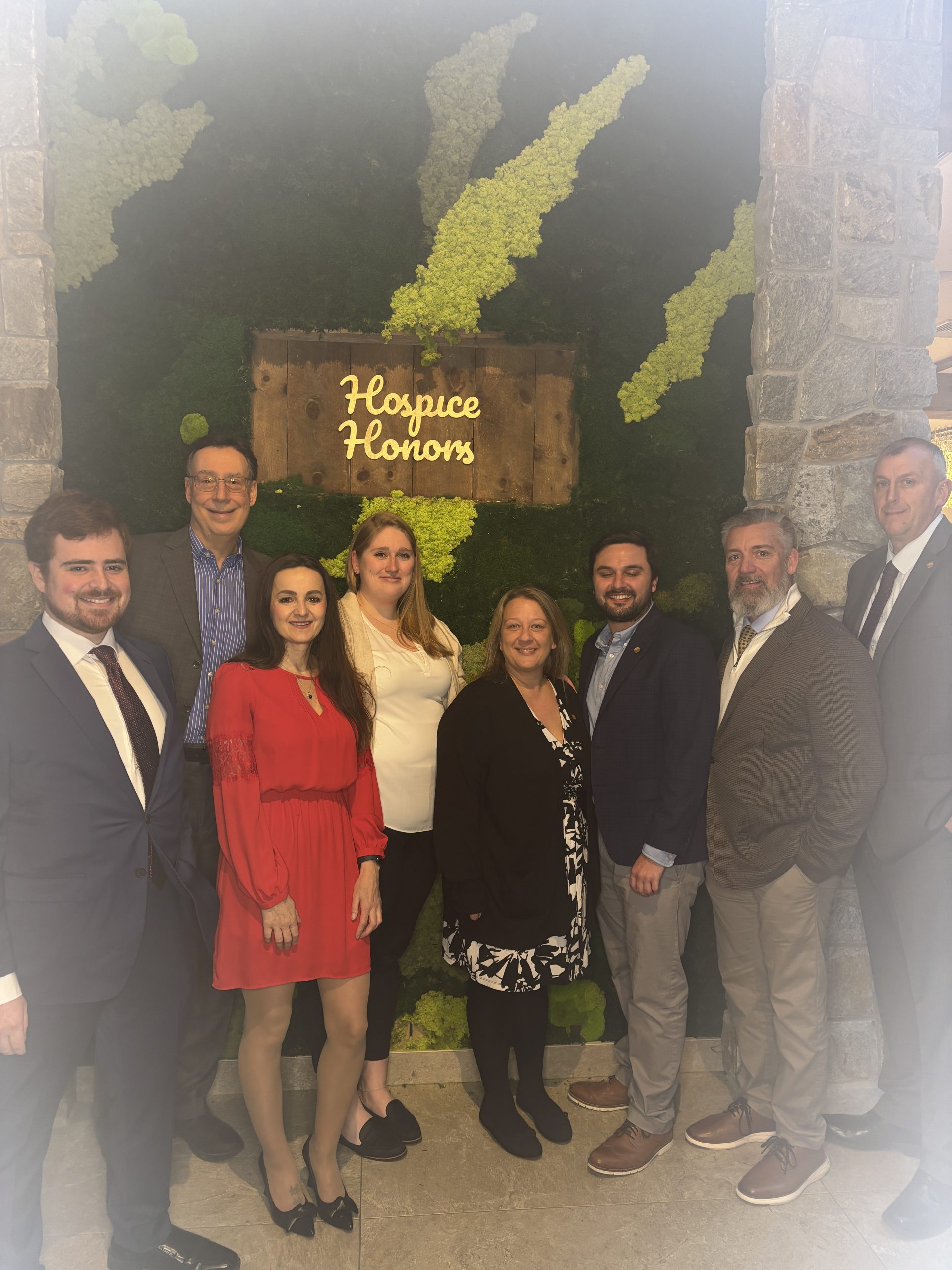
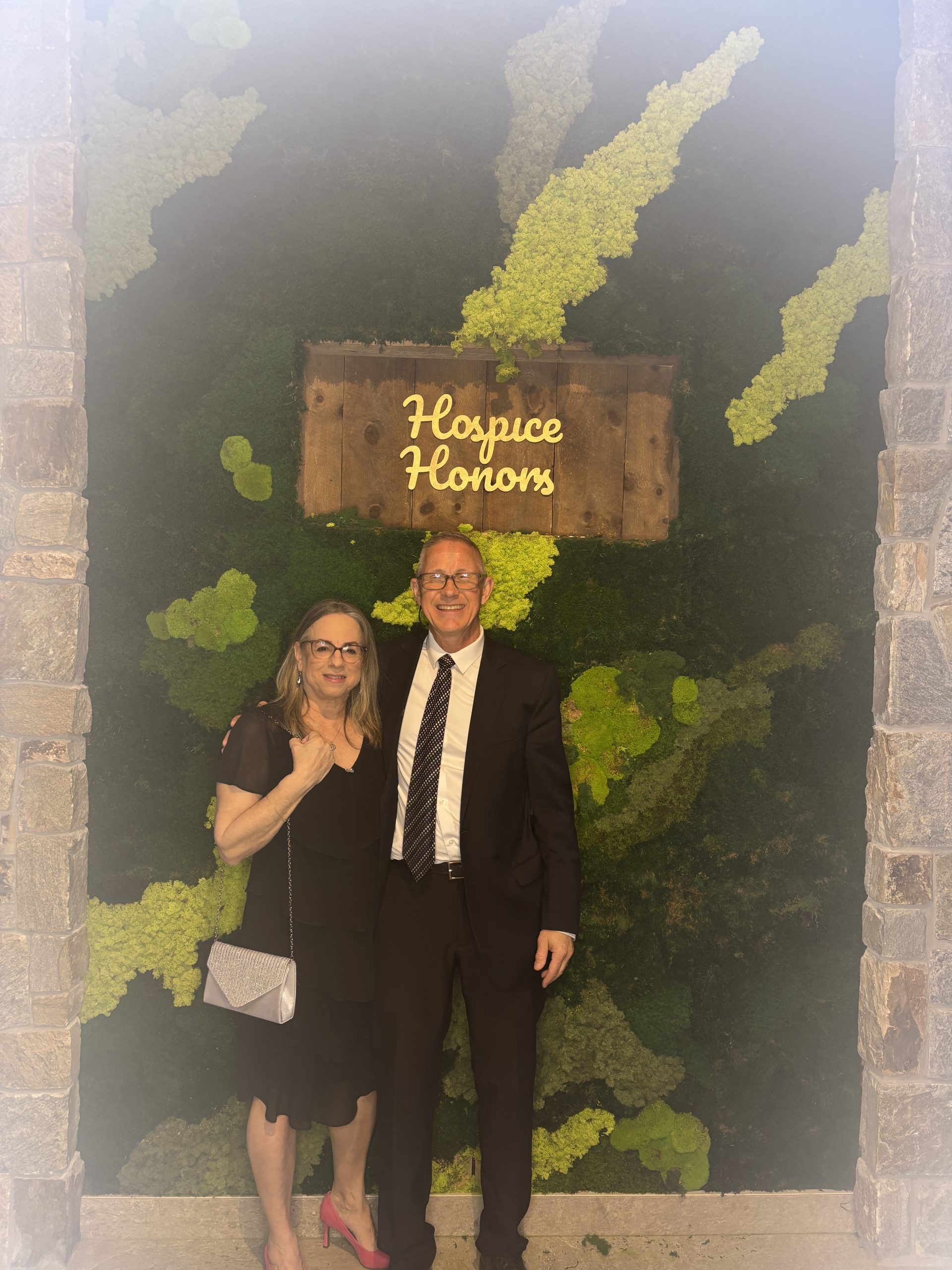
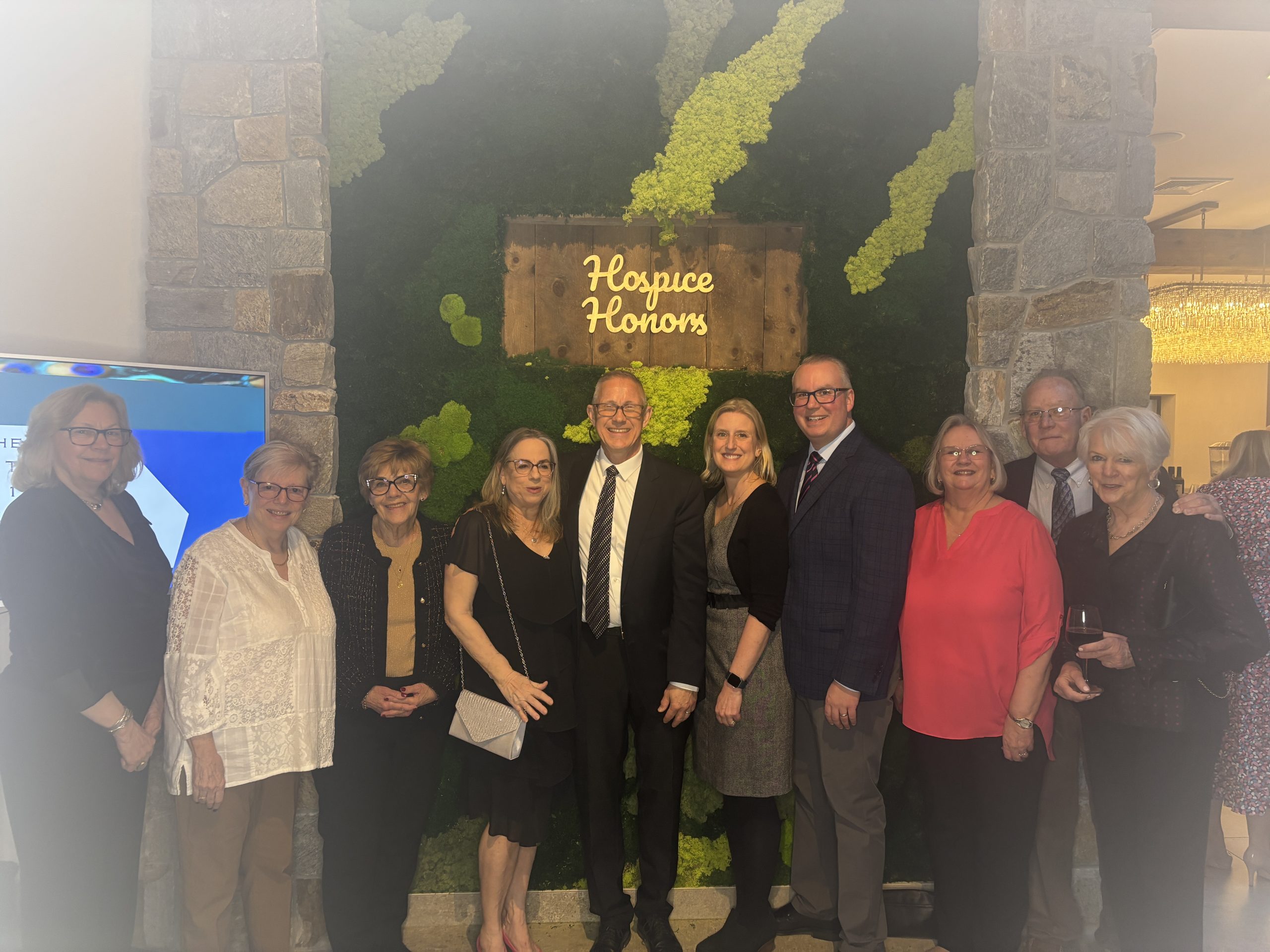
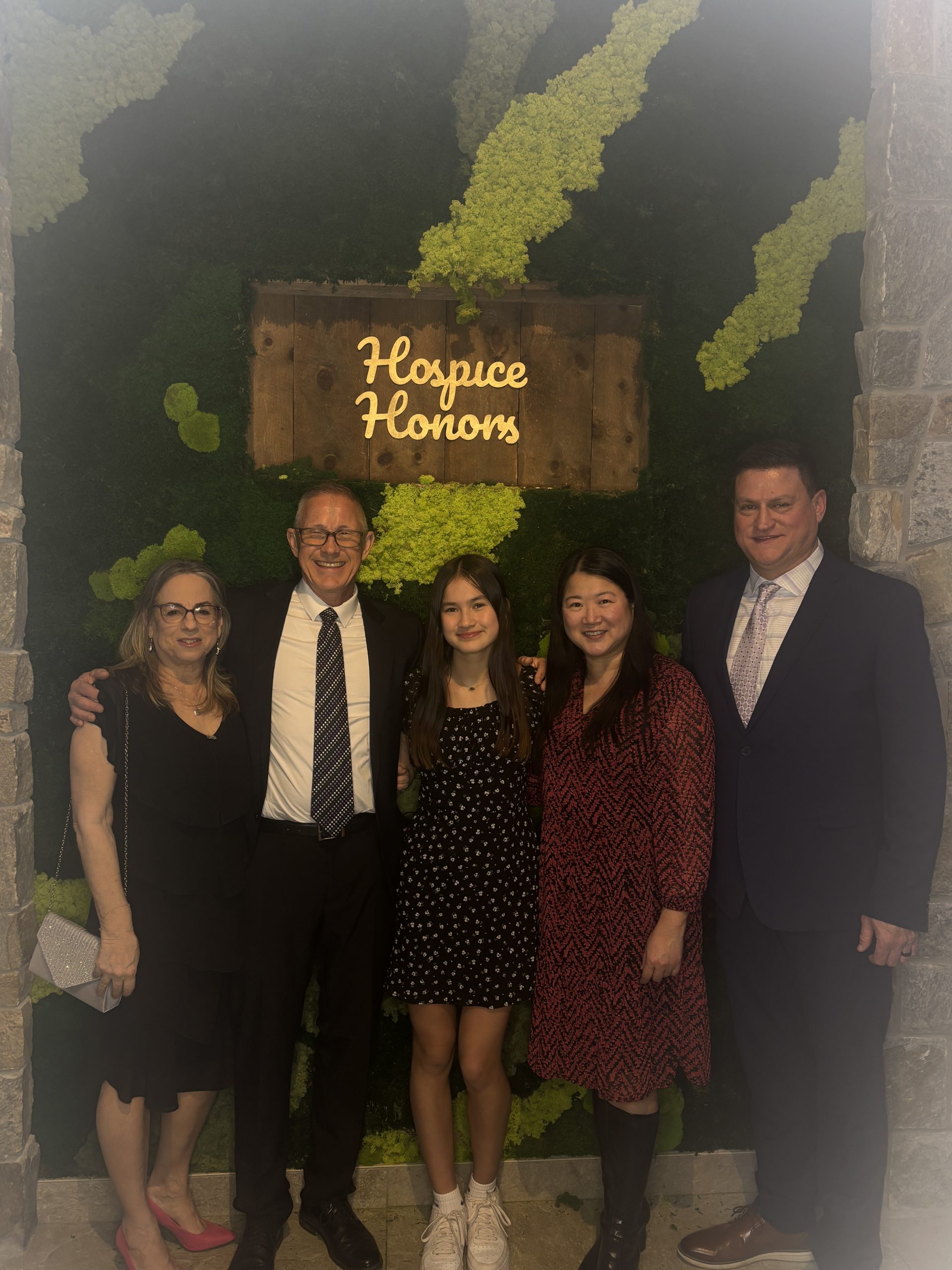
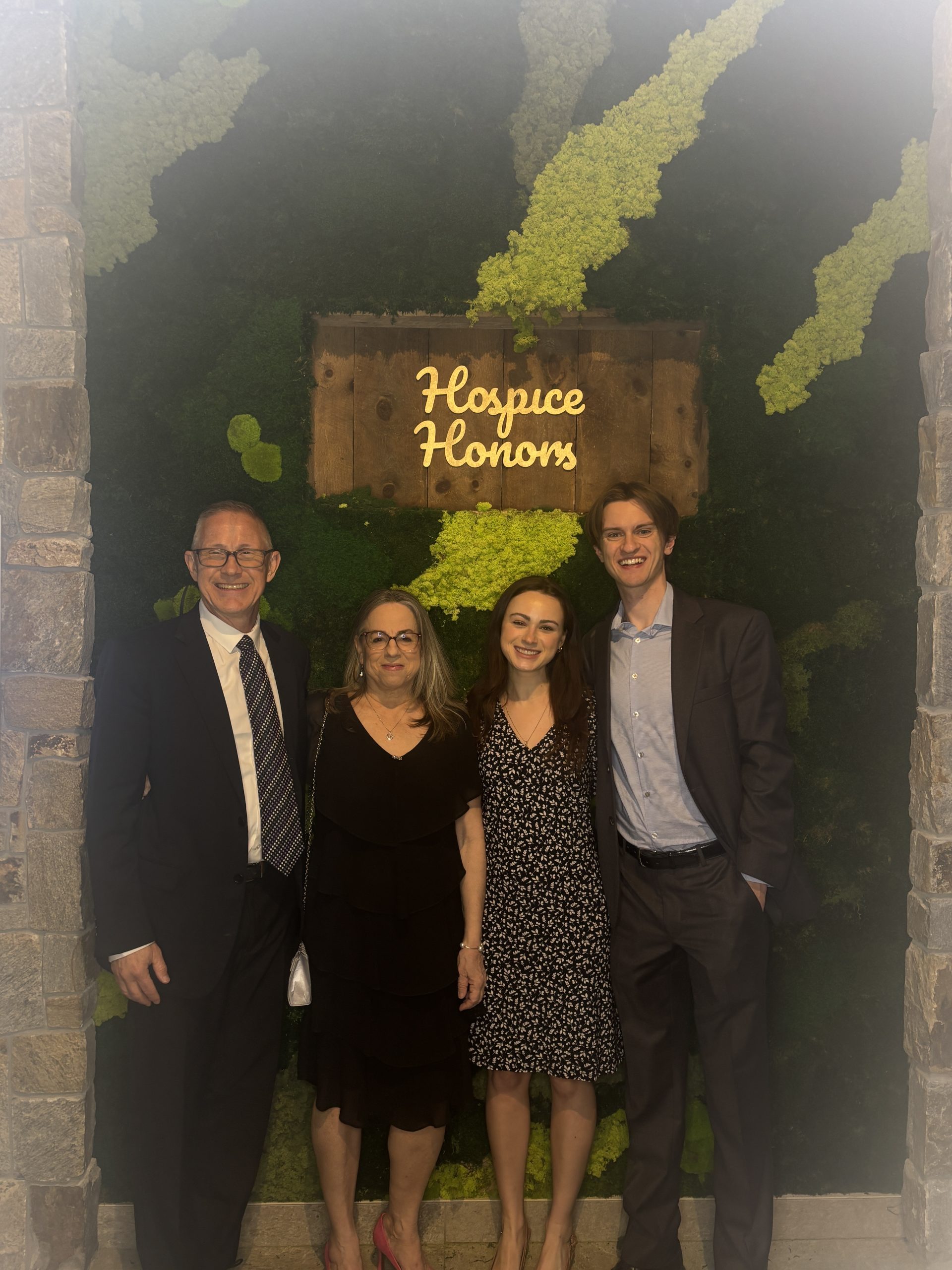
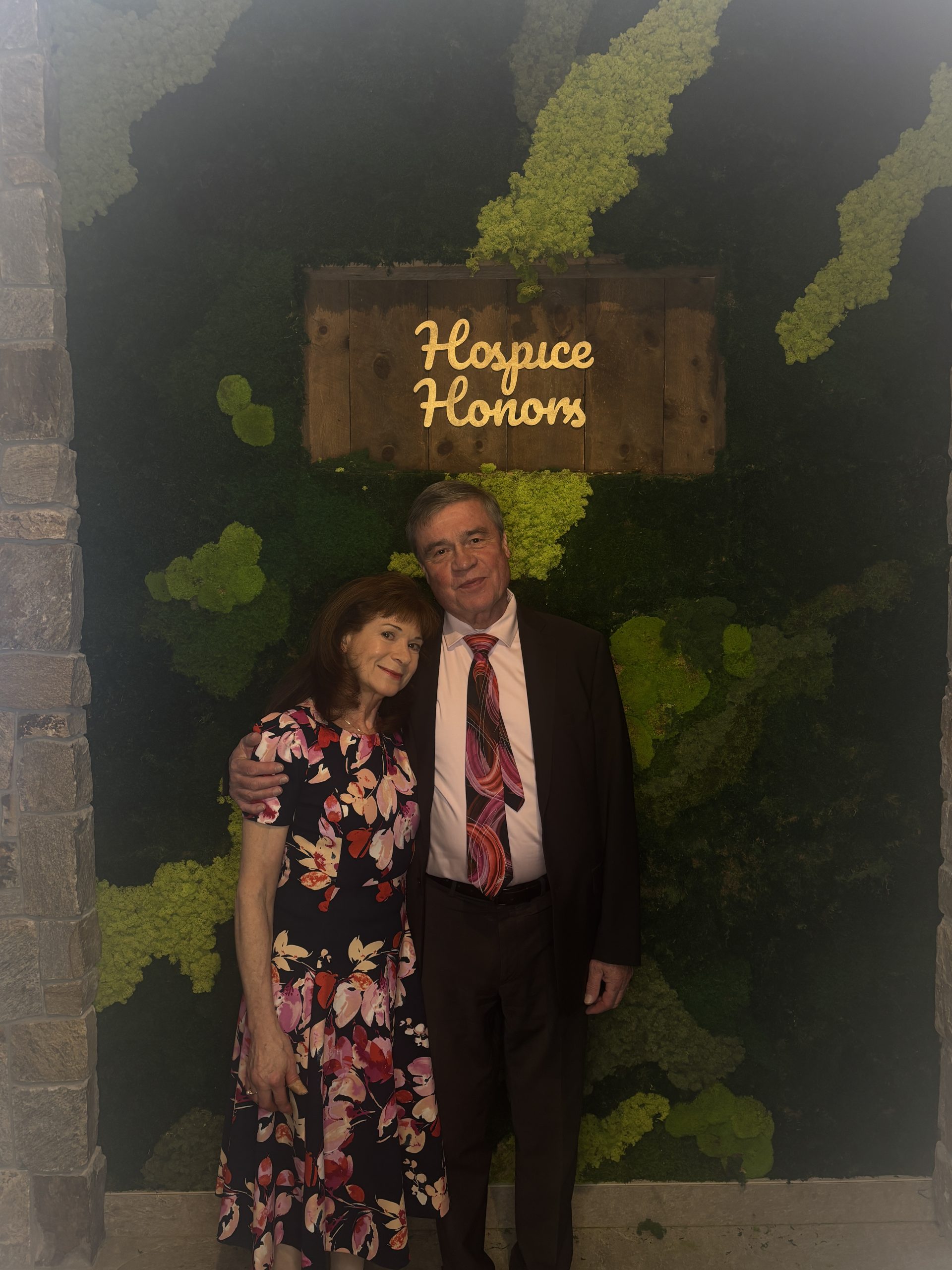
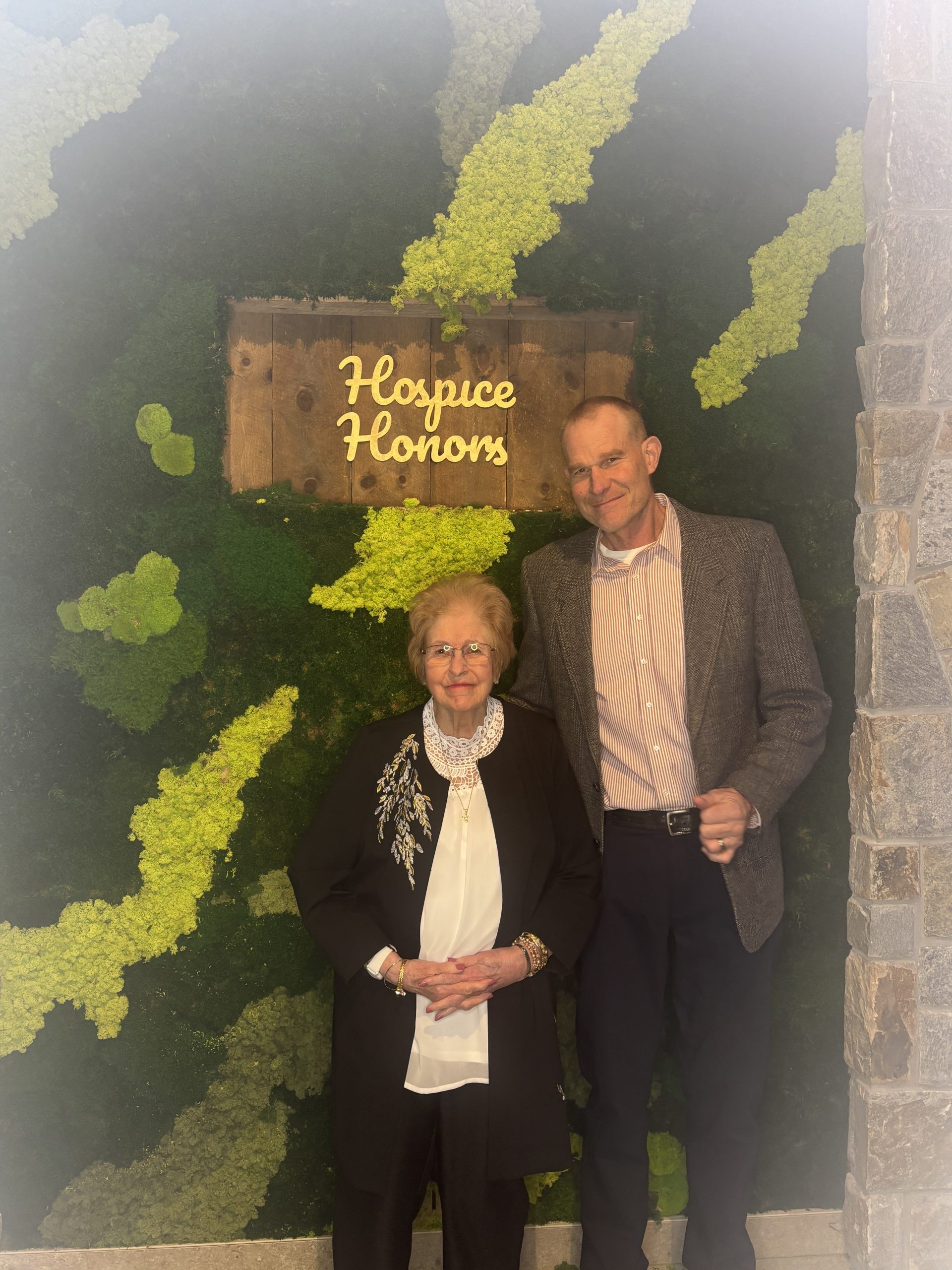
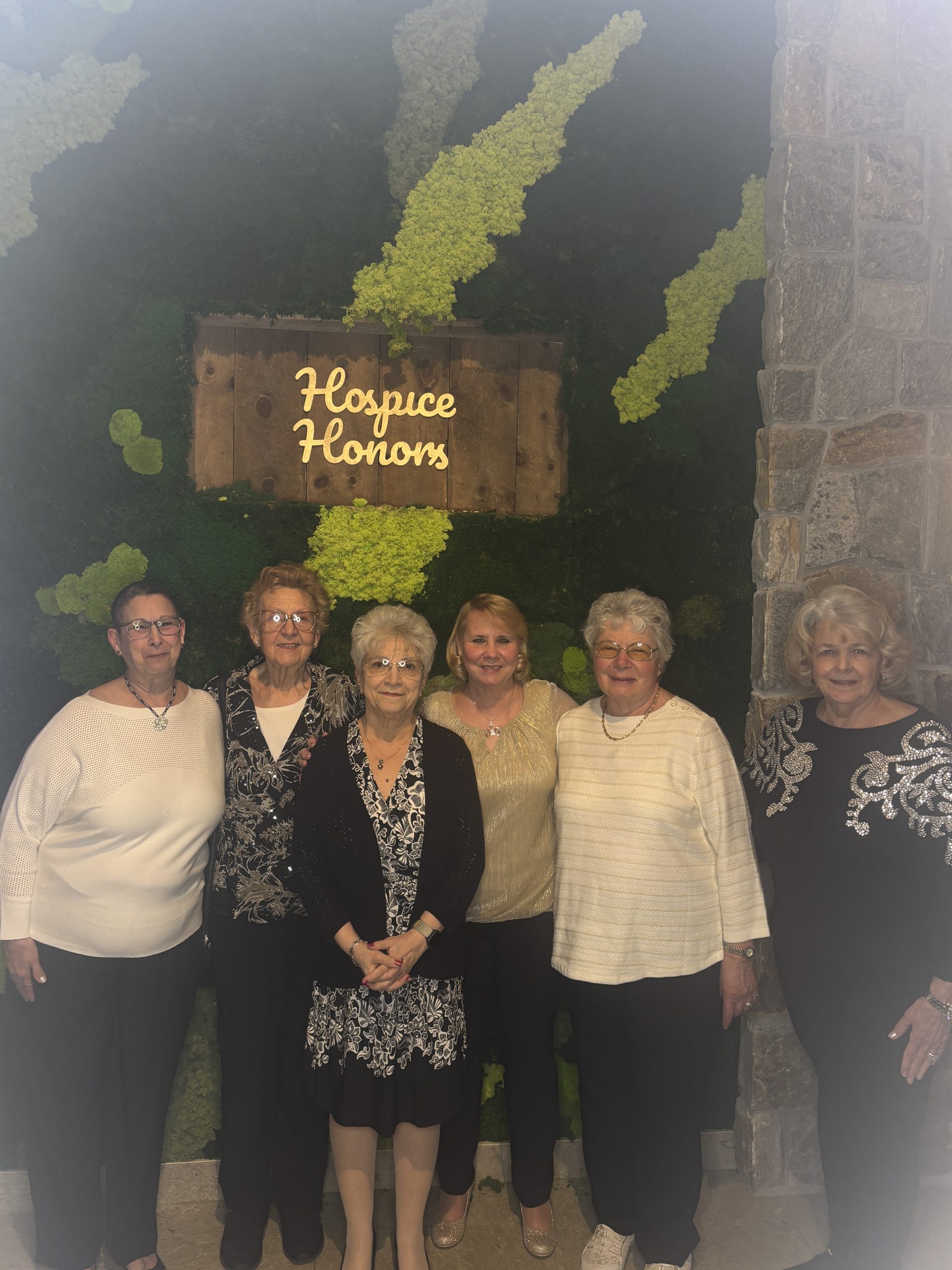
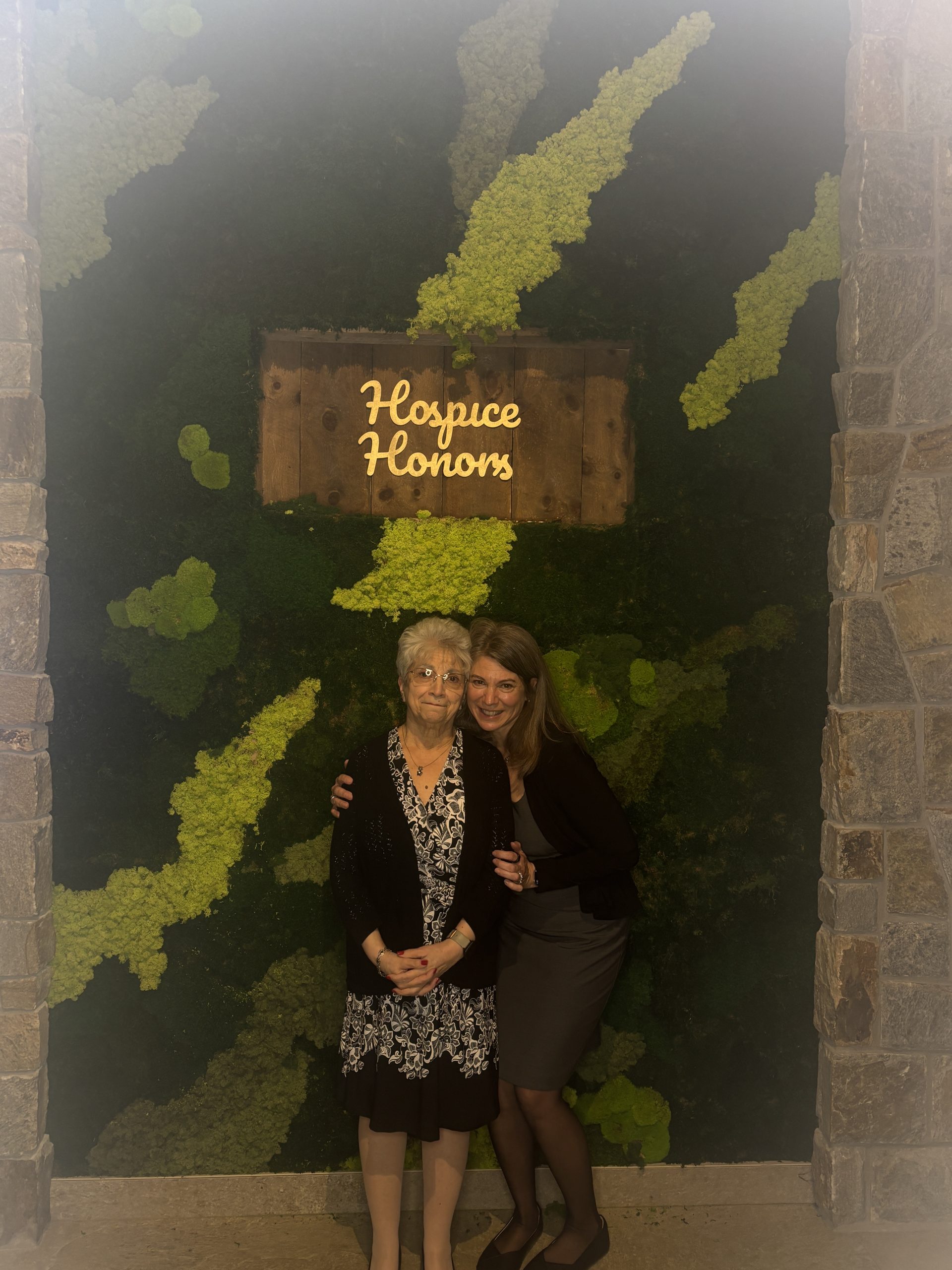
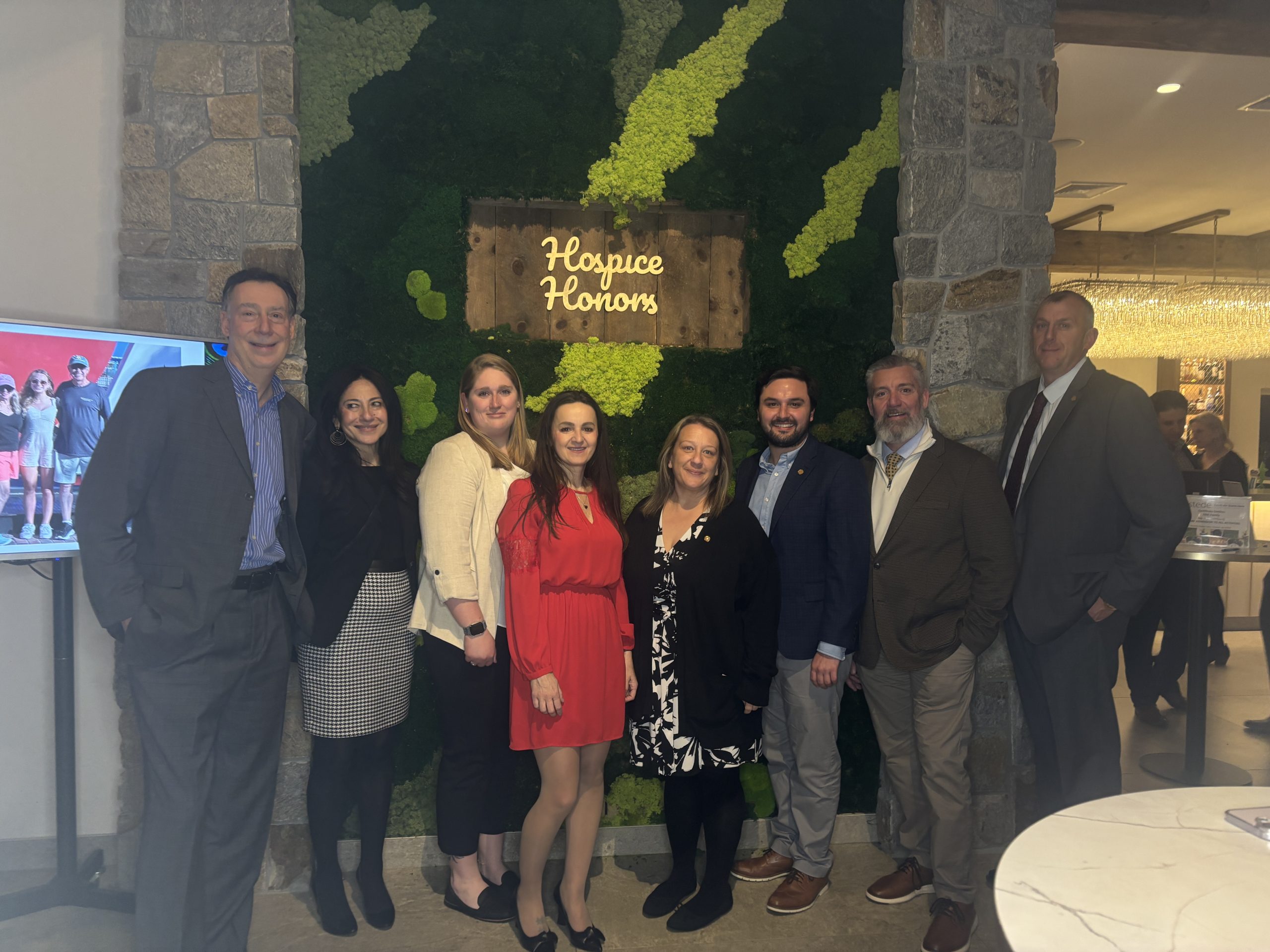
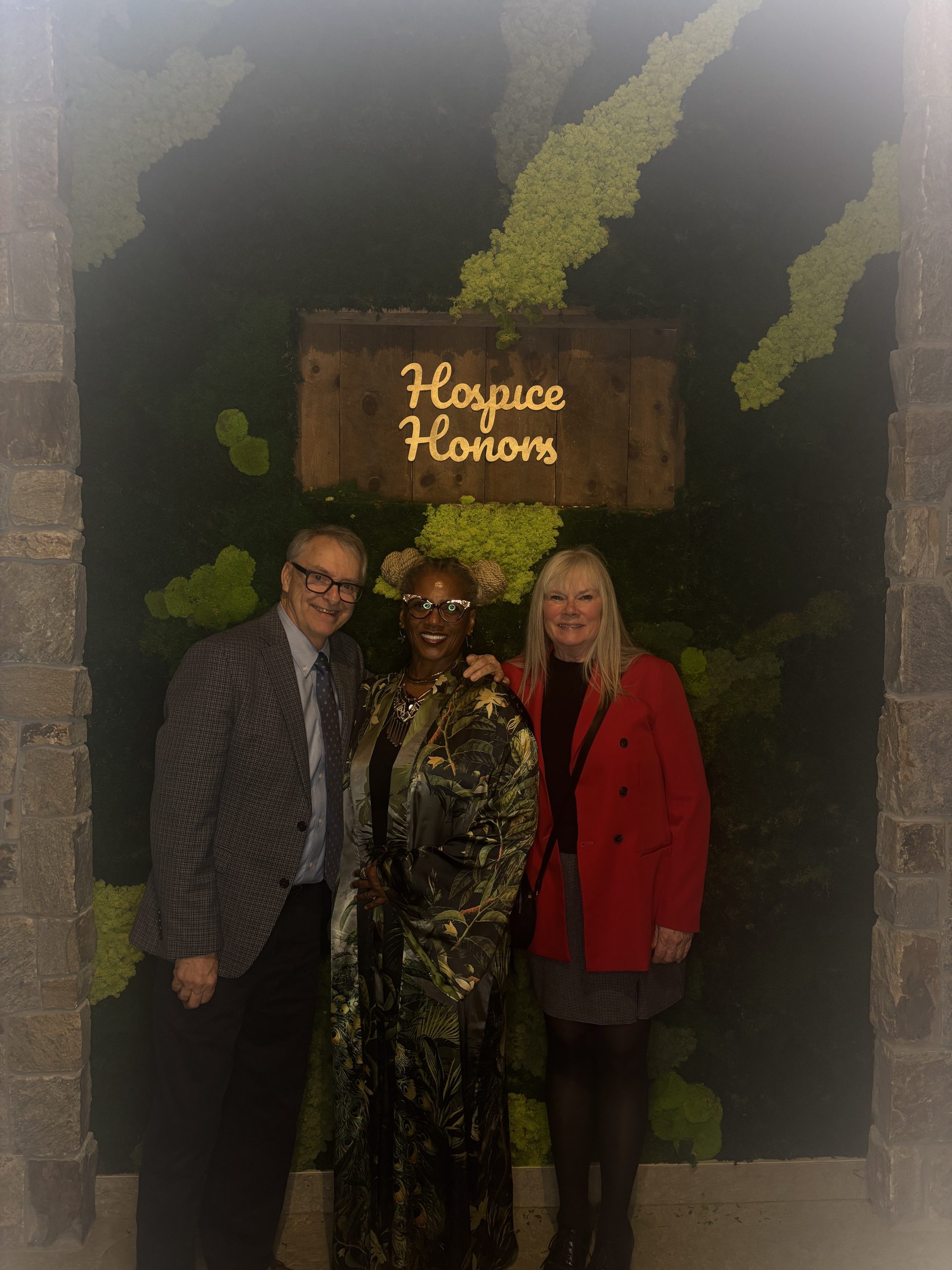
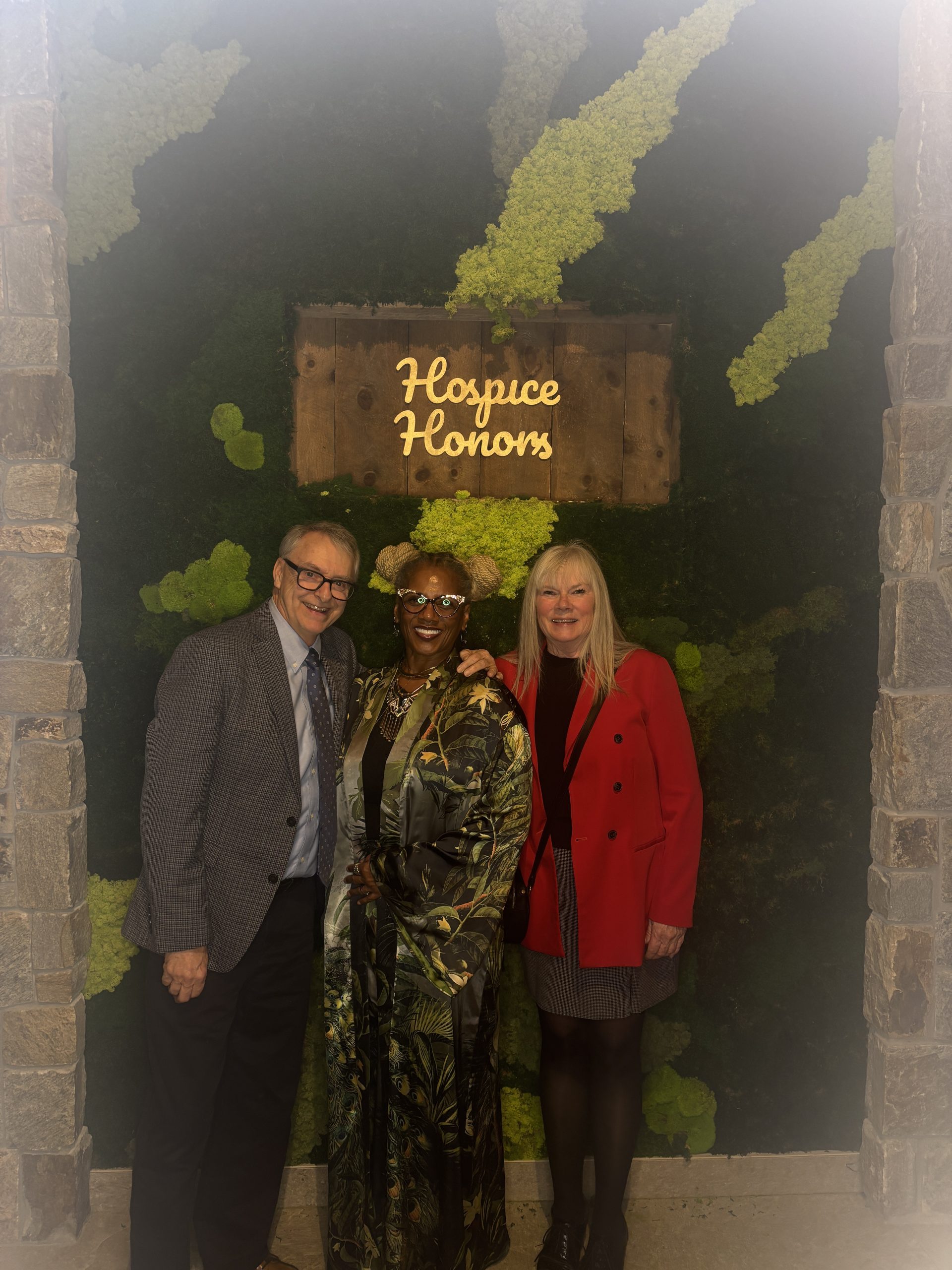
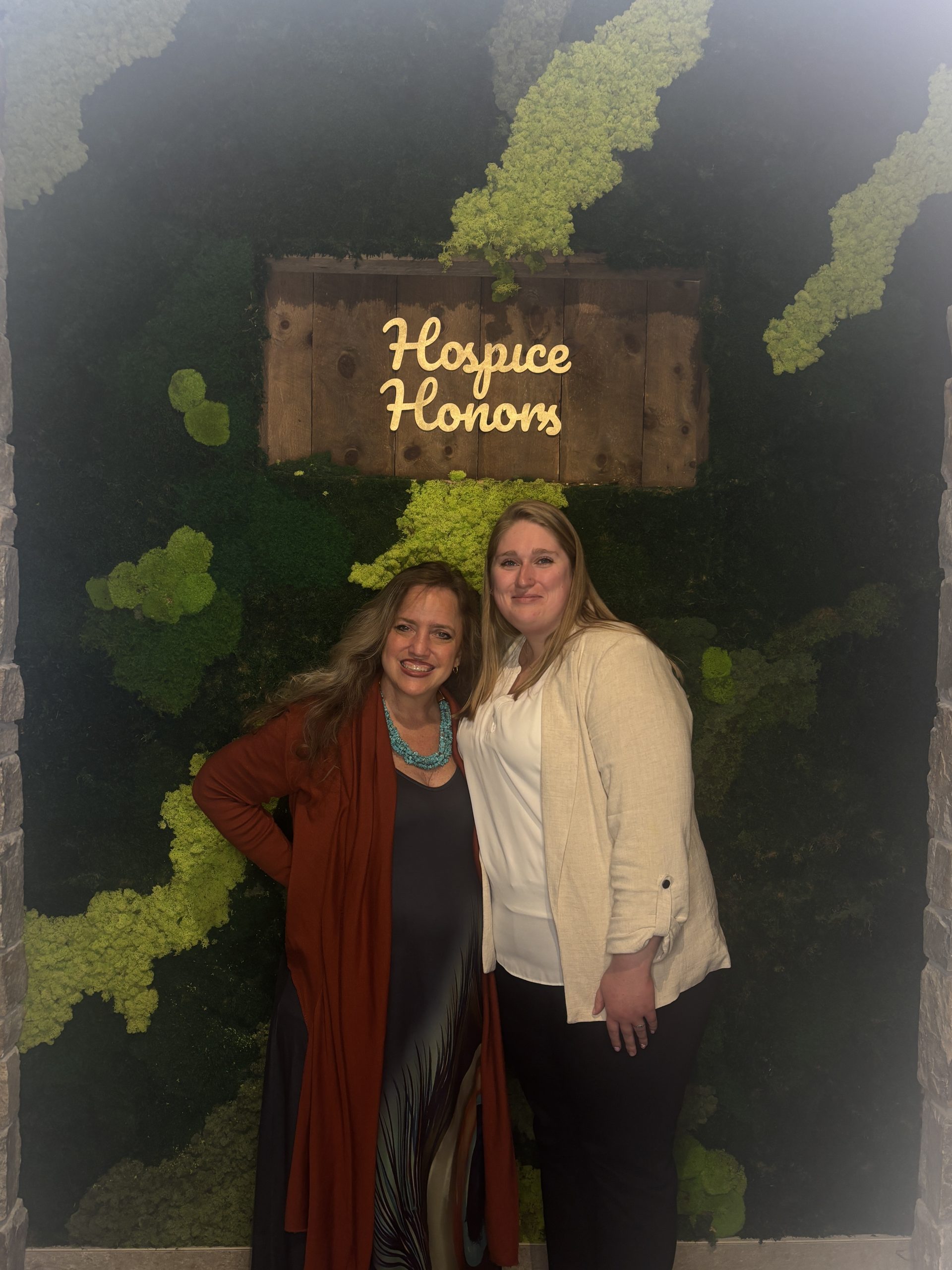
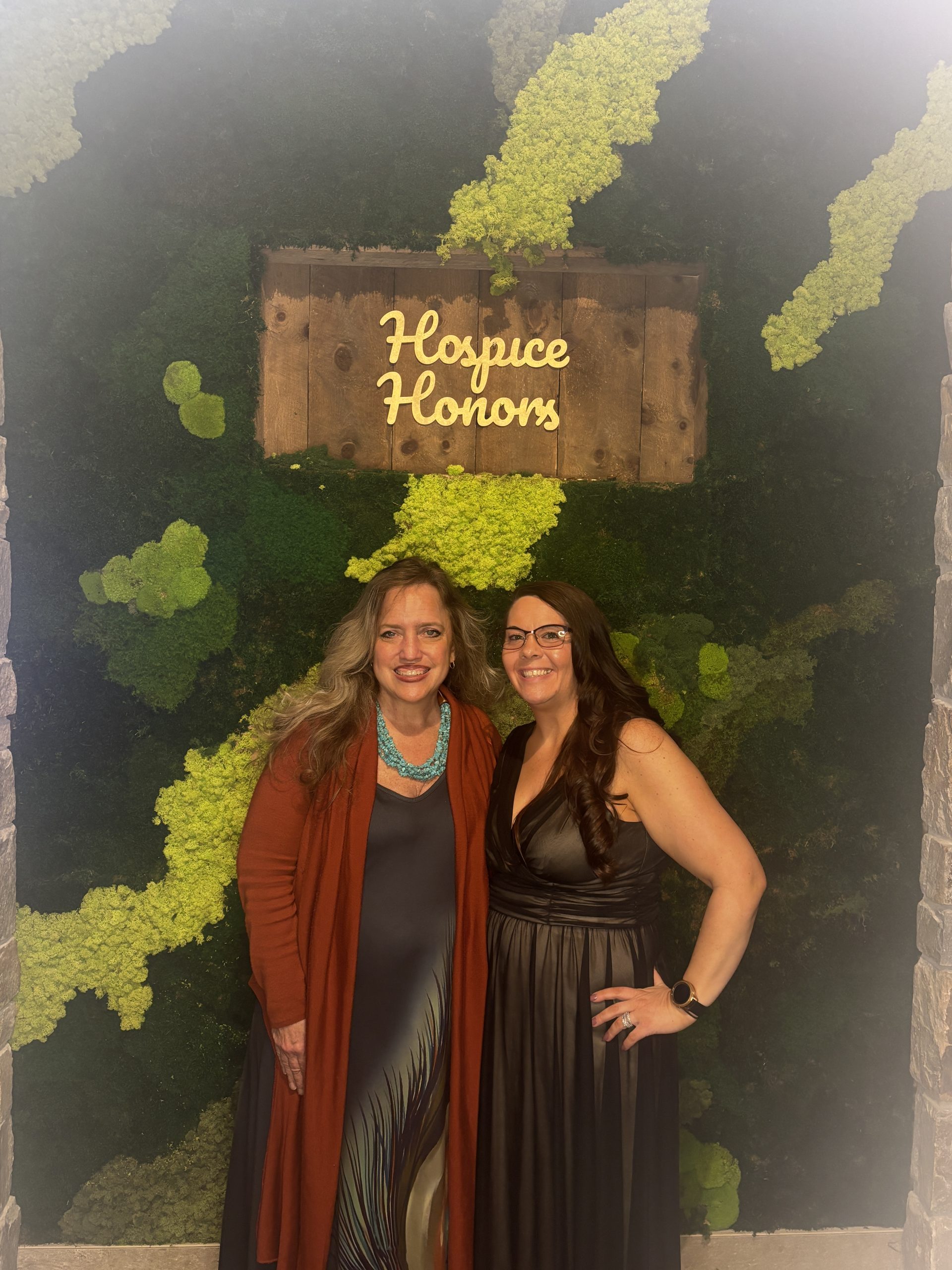
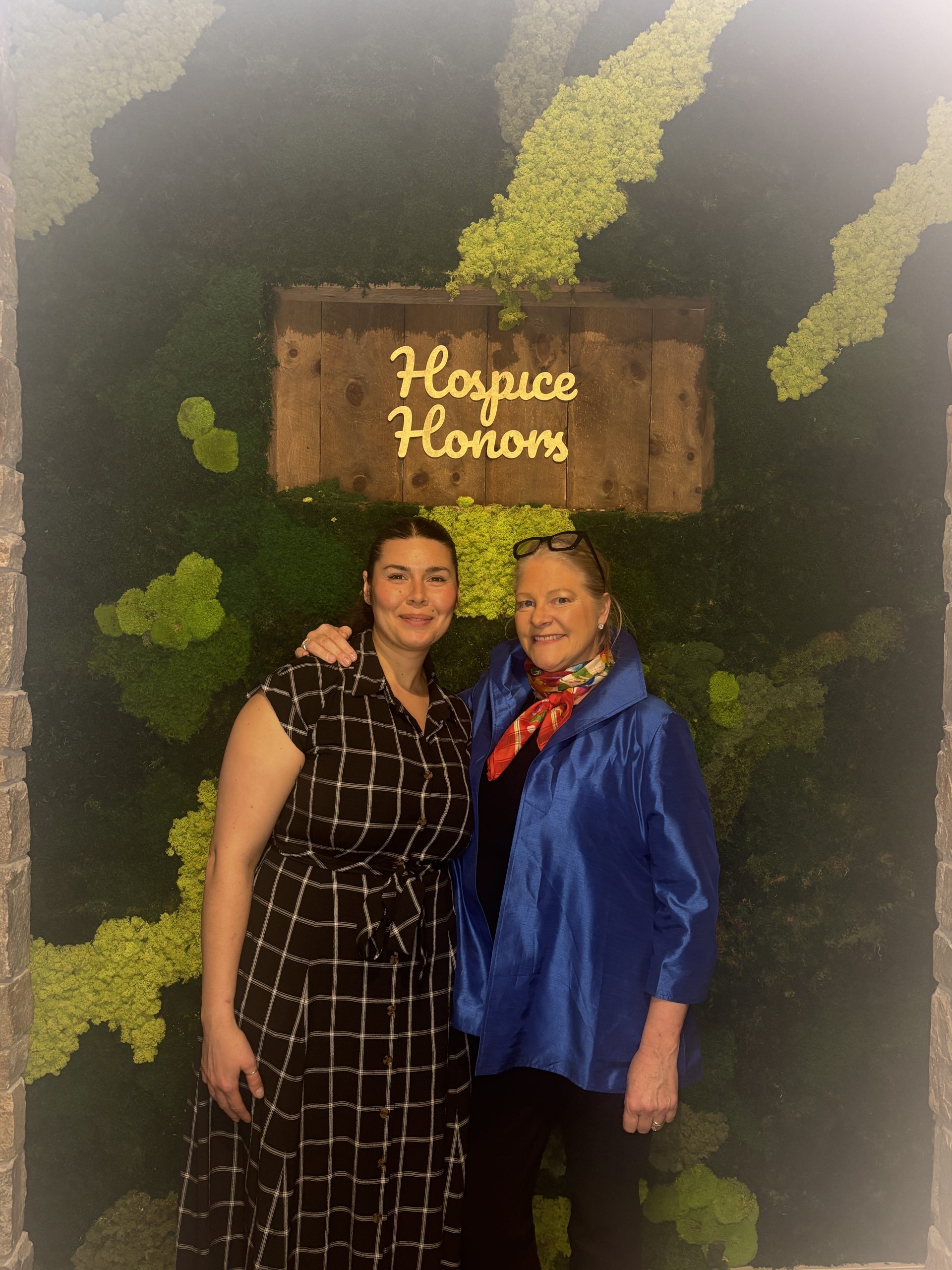
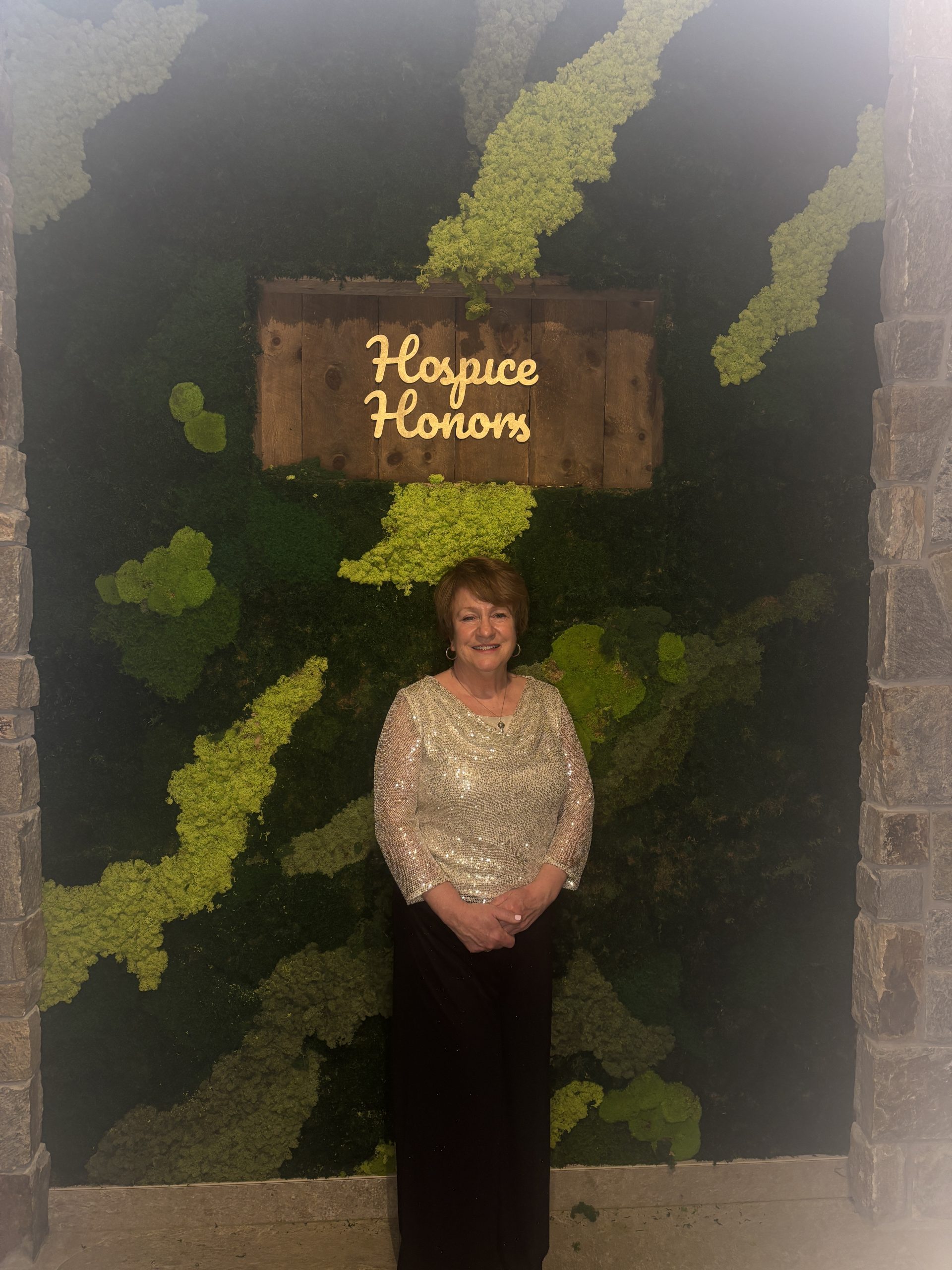
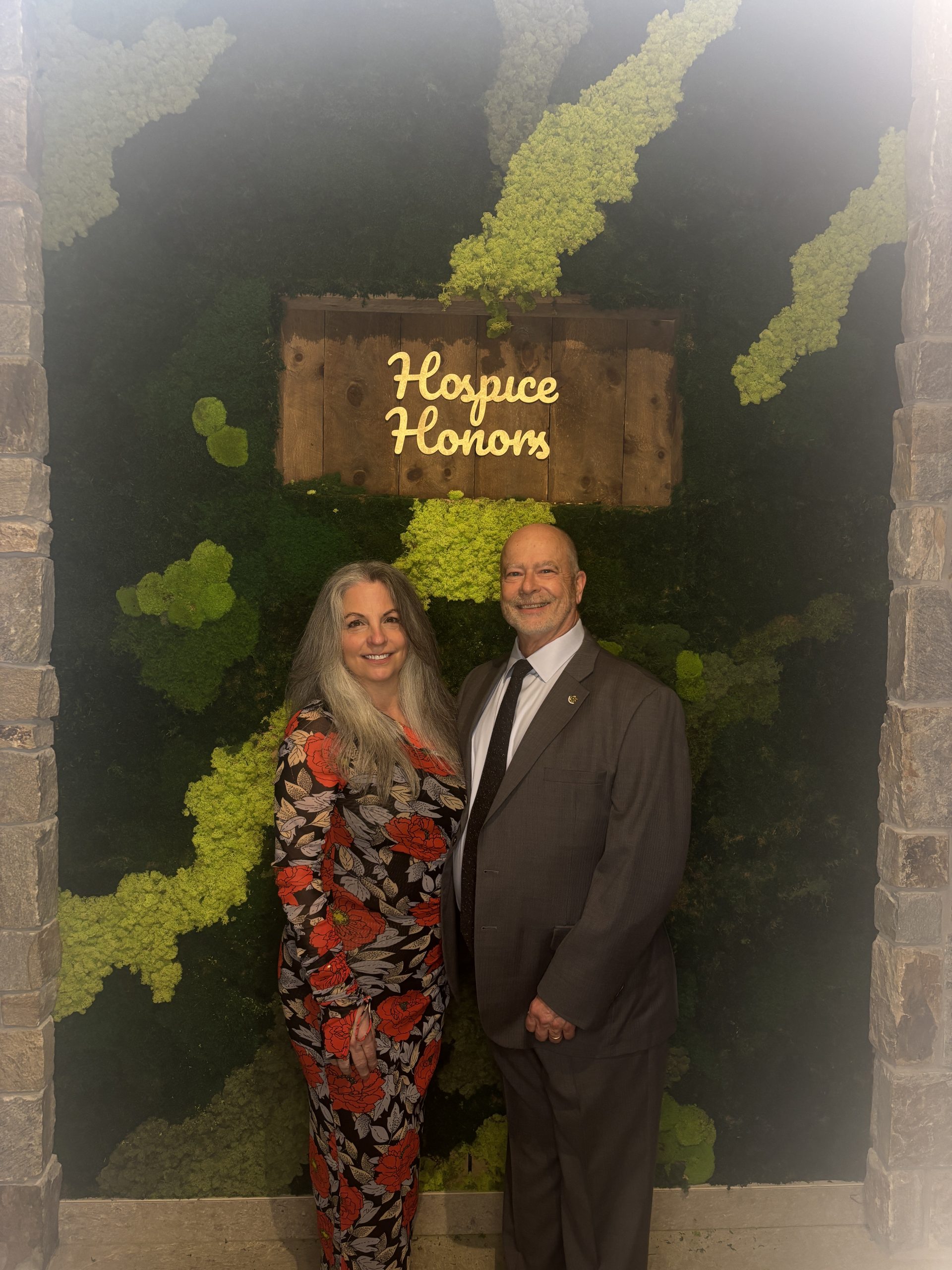
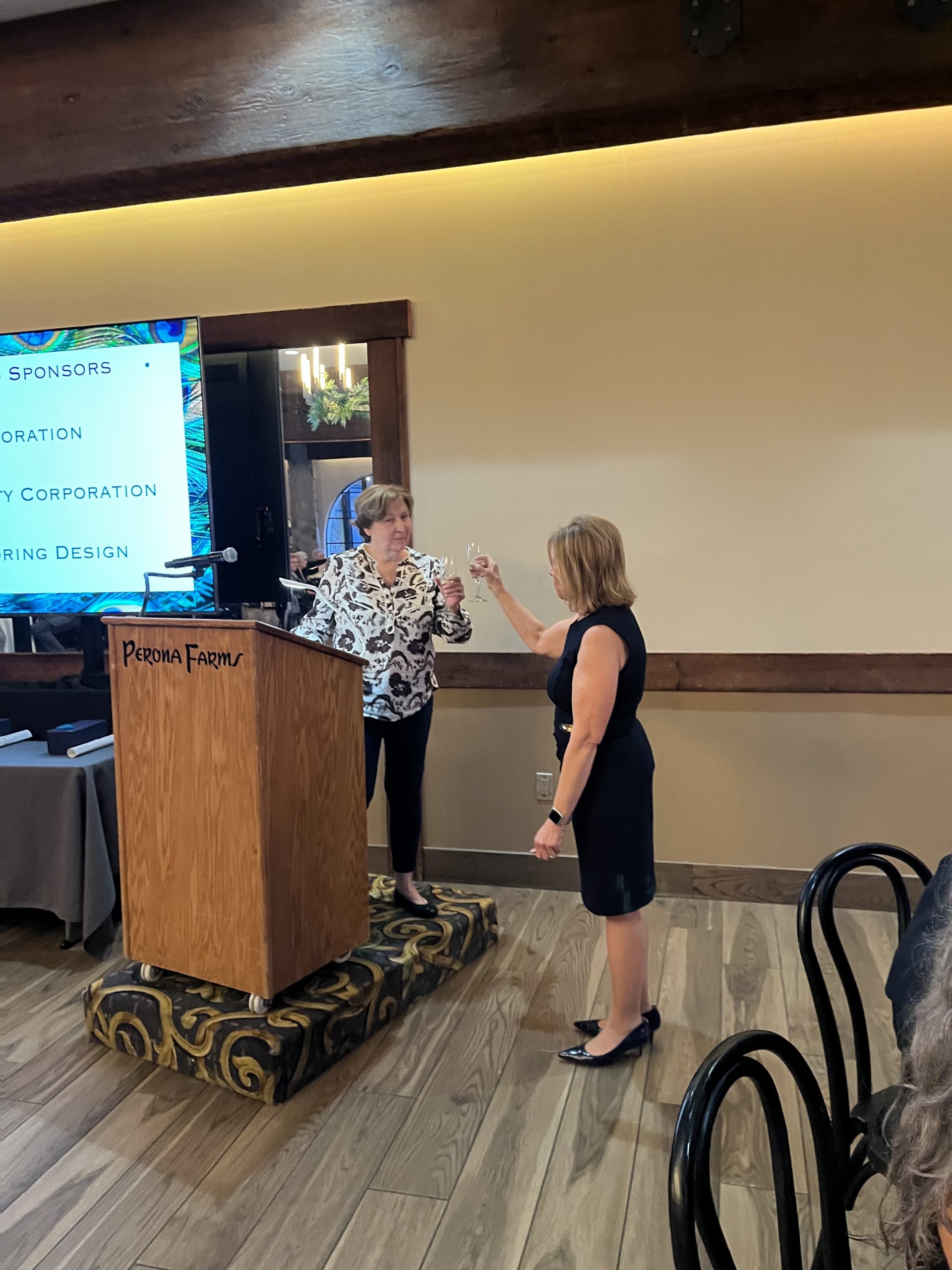
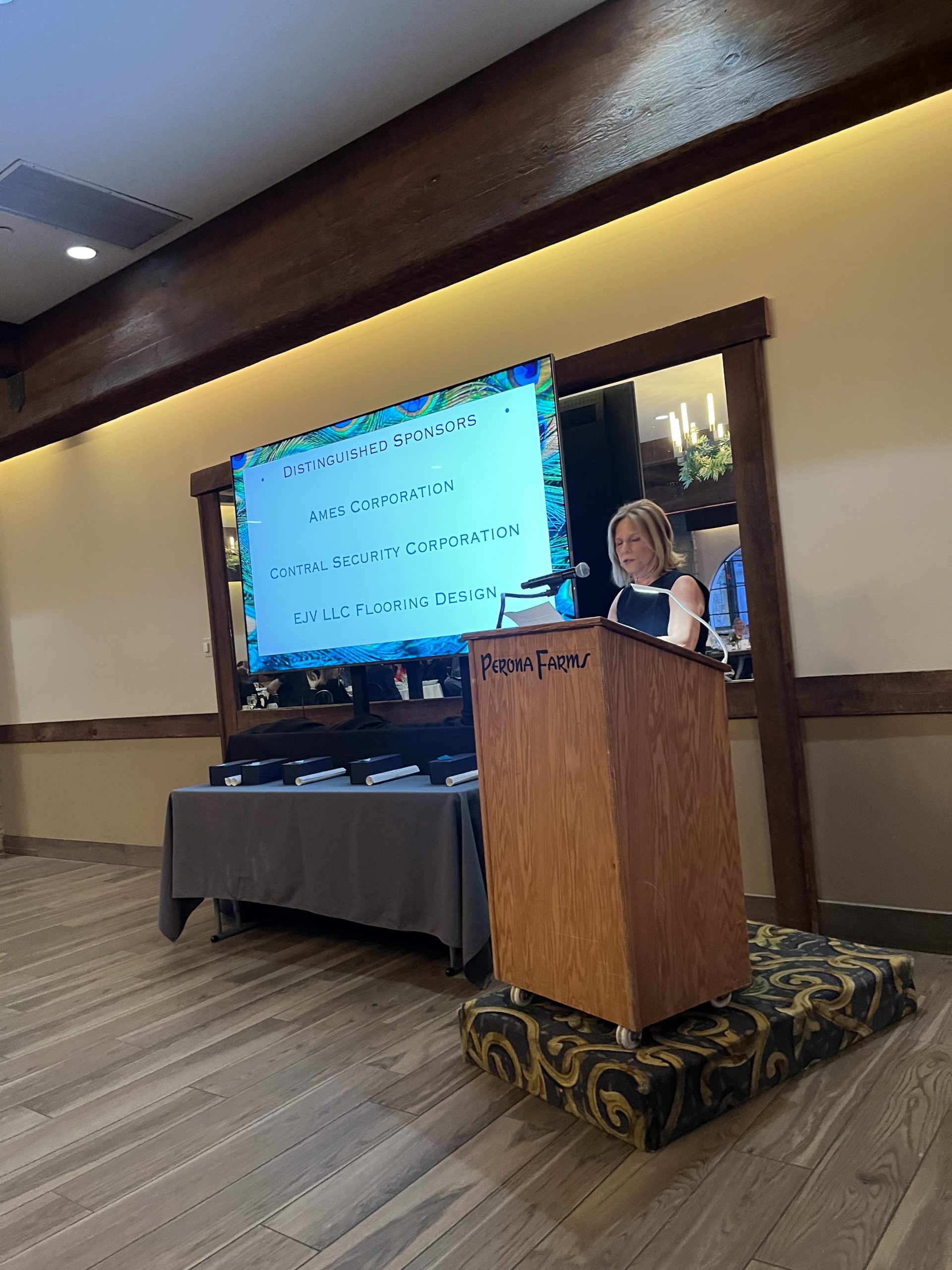
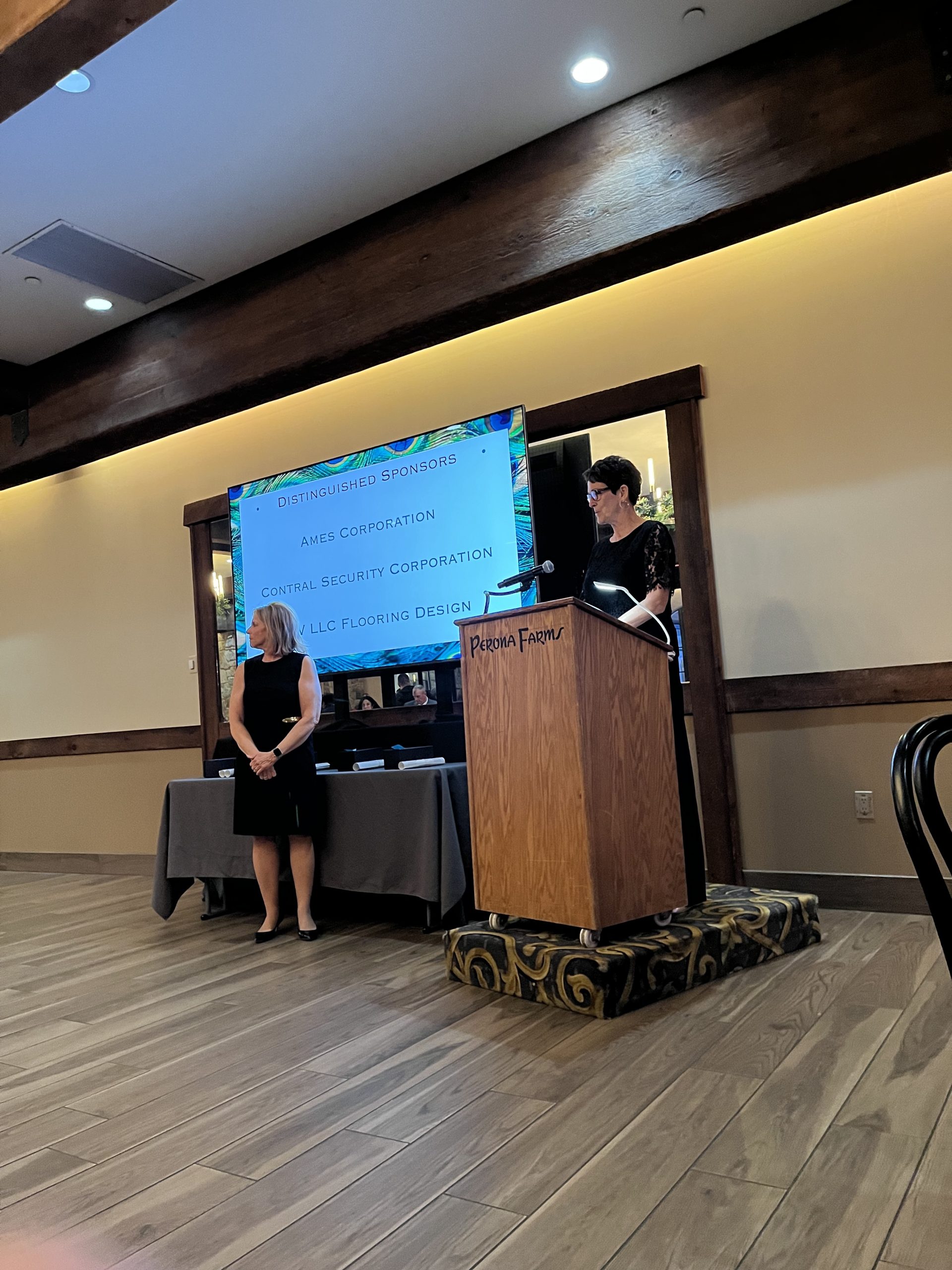
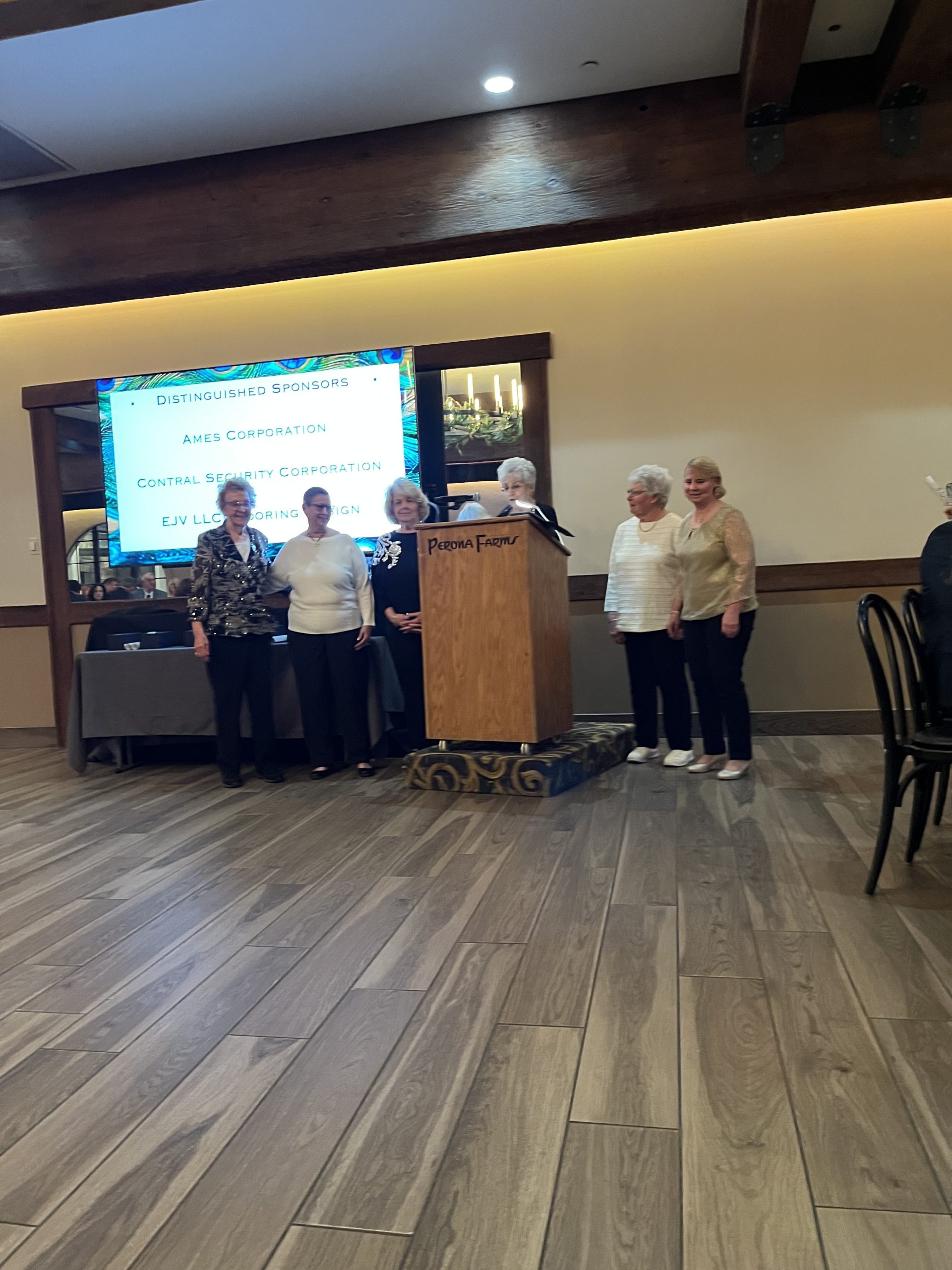
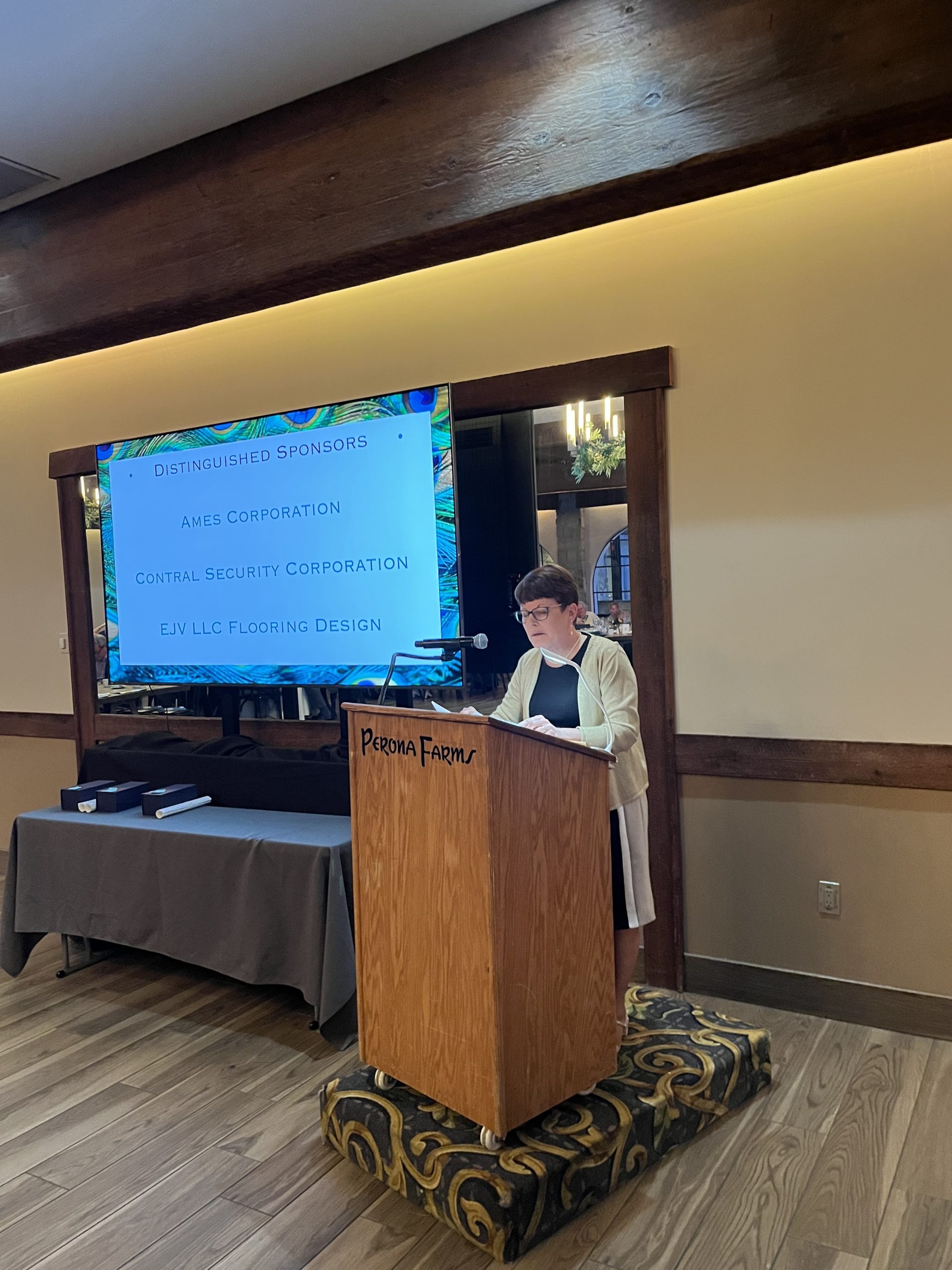
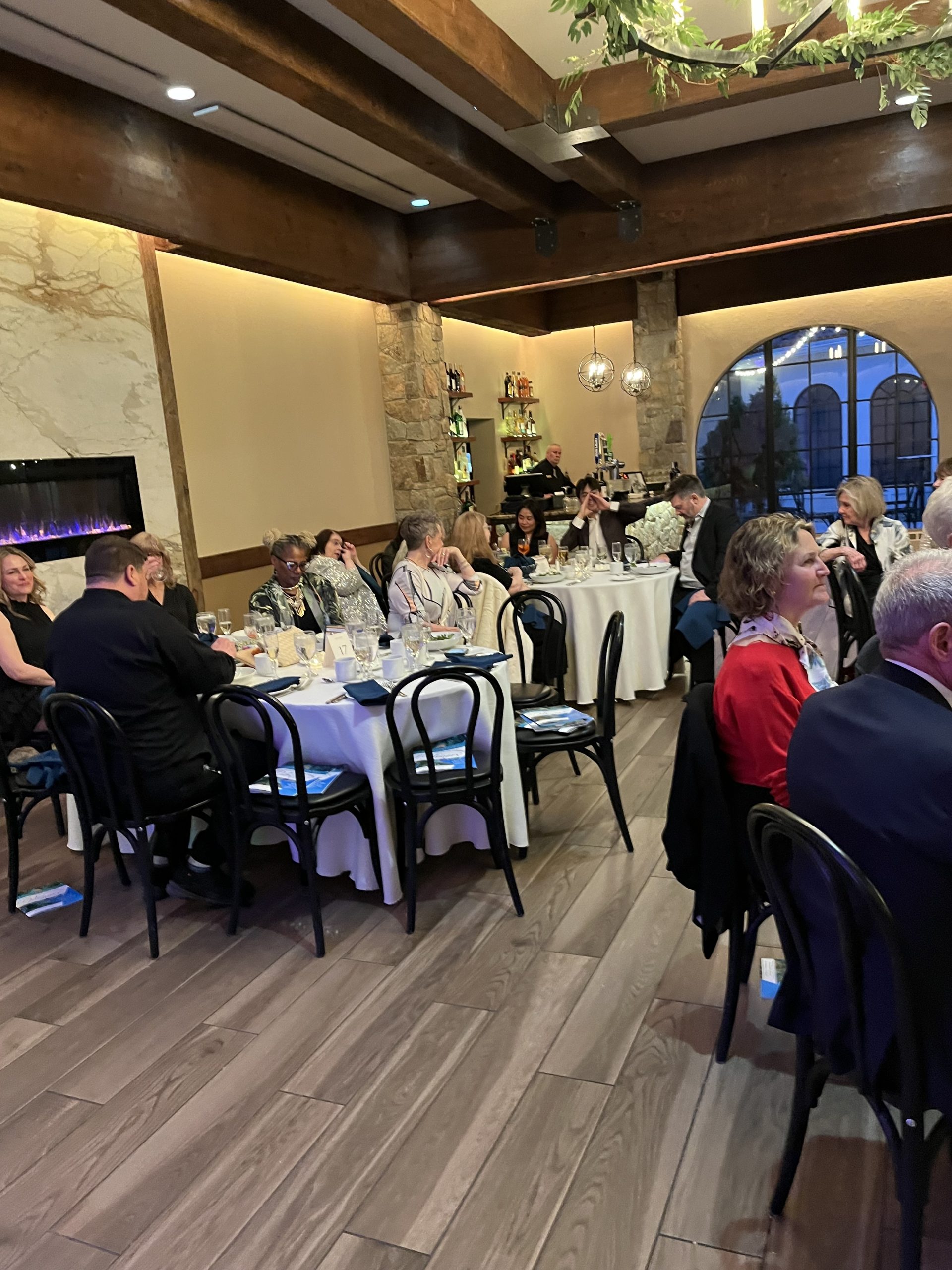
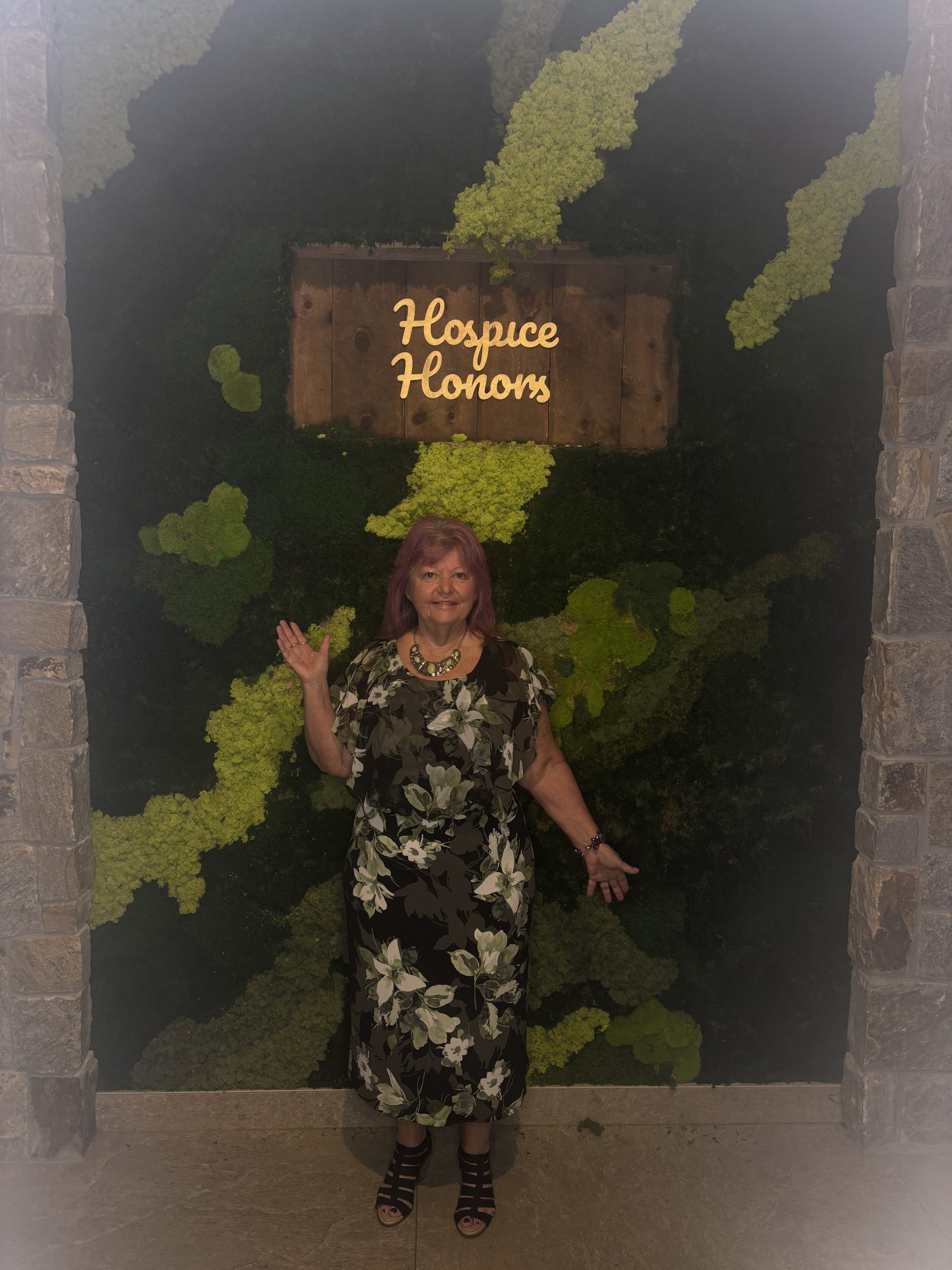
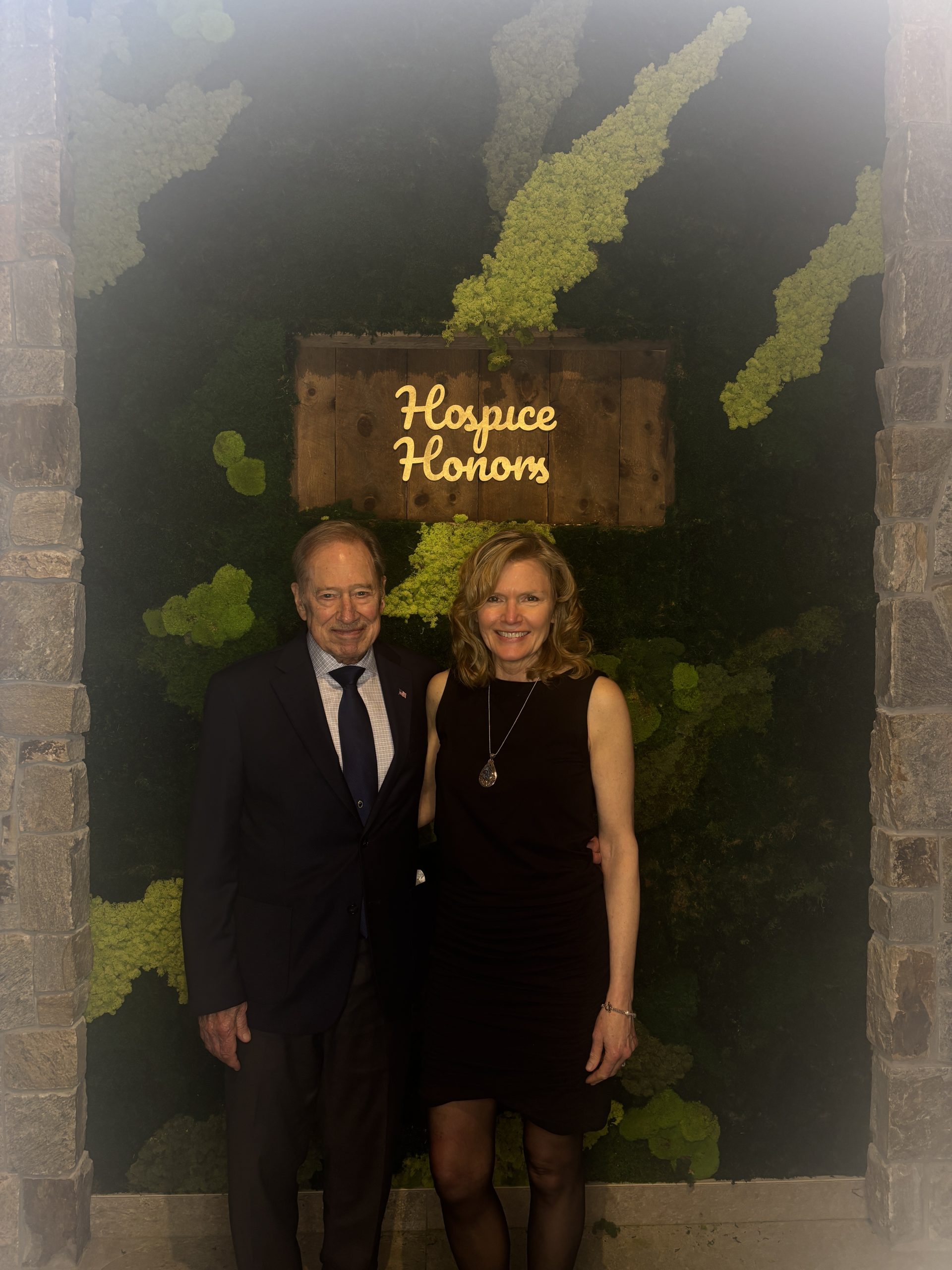
Home Care and Hospice Association of New Jersey presents Awards
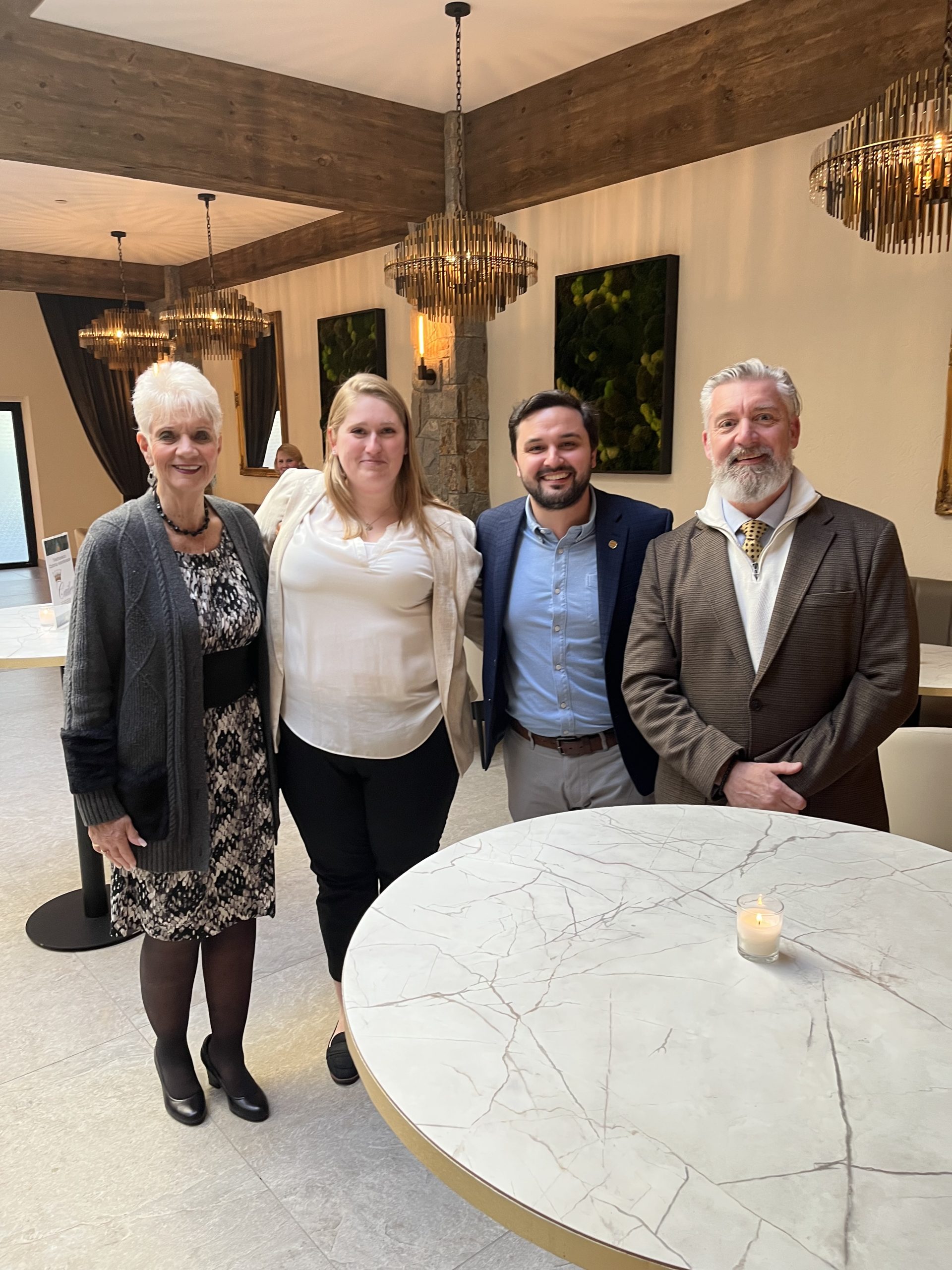
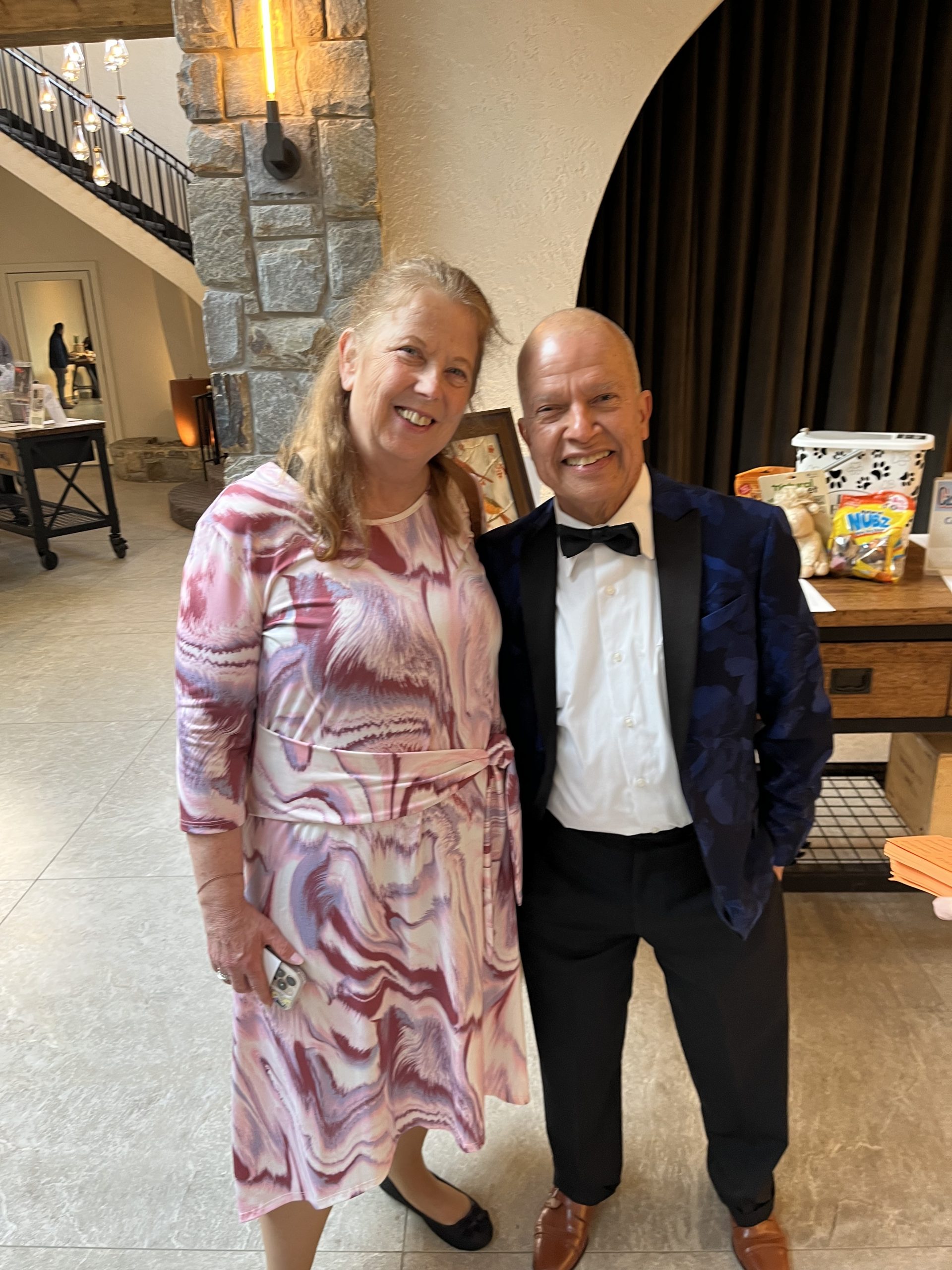
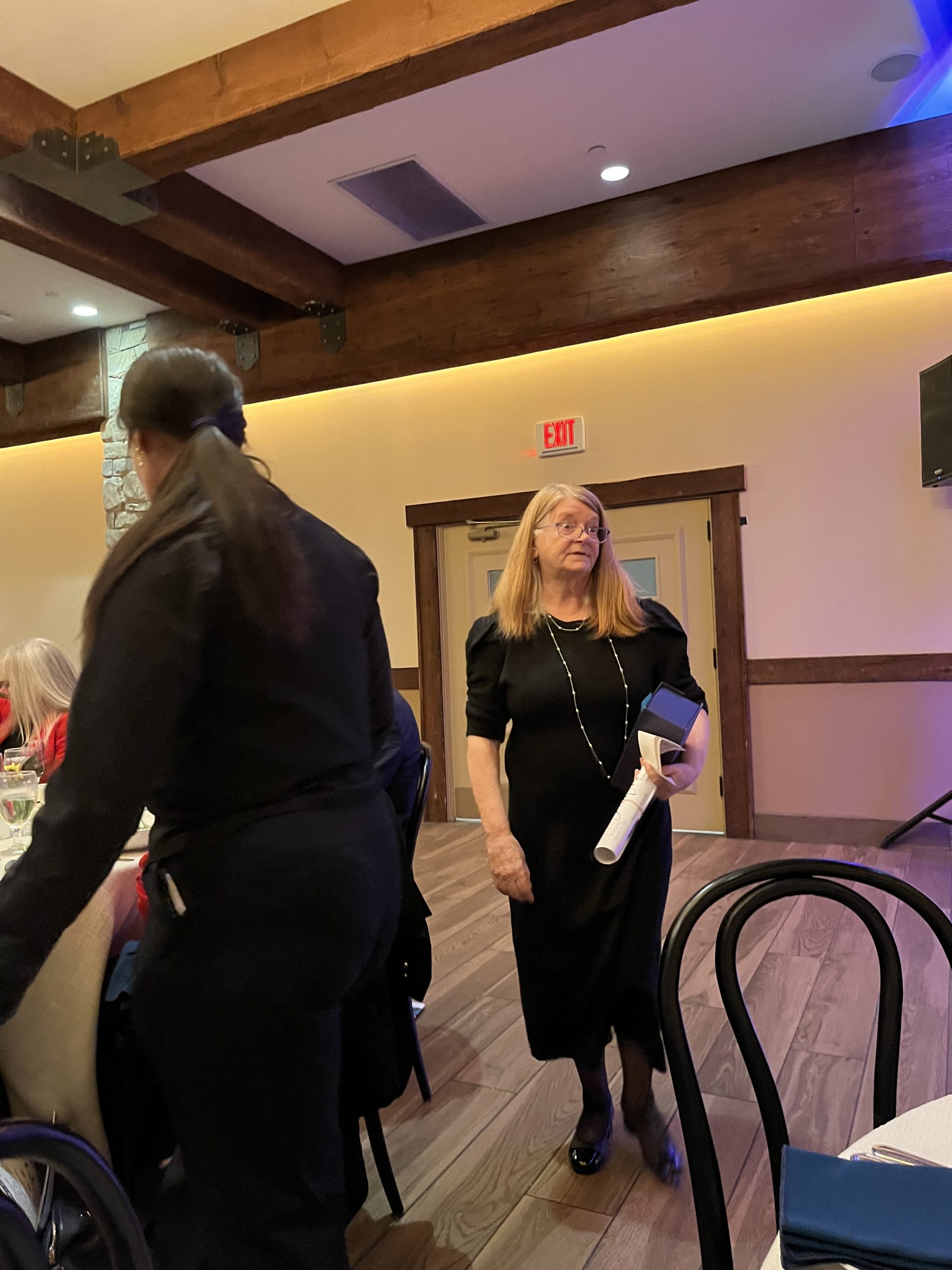
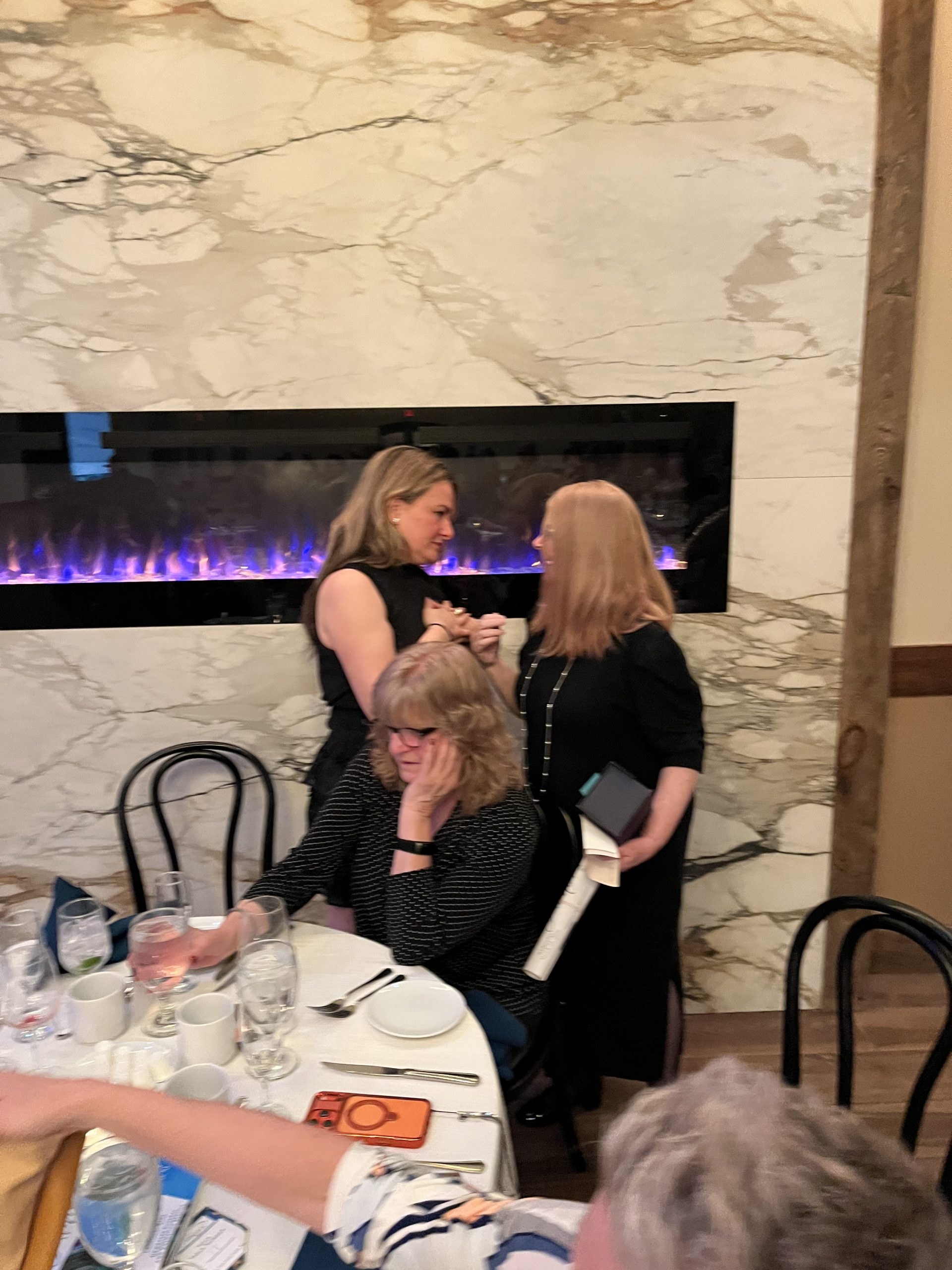
On Wednesday, June 5, at the Annual Home Care – Hospice Conference & Exhibition held in Atlantic City the Home Care and Hospice Association of New Jersey presented the Martha Esposito Award to Lee Ellison.

Ellison was recognized for outstanding contribution to the hospice industry through pioneering the End-of-Life Doula (EOLD) movement at Quinlan Care Concepts by establishing their Navigators program. In collaboration with International Doula Life Movement the organization has trained 31 End-of-Life Doulas to date. This groundbreaking initiative, led by Ellison, provides crucial emotional, spiritual, and physical support to patients and families before, during and after end-of-life transitions, focusing on advance directives, grief support, legacy projects, holistic comfort care practices and normalizing the conversation about death and dying.
“25 years ago Julia Quinlan received the Martha Esposito award for her work in the hospice industry. It’s such and honor to receive this award as we celebrate 45 years of serving the community – continuing her work with innovative and pioneering programs to help our families,” said Ellison.
“End-of-life doulas have been in existence since the beginning of time. Introducing them in home care and hospice is a natural progression. We can all work together to normalize the conversation about death and dying because a life well lived deserves a good death. We’re all going to die, but we don’t know when, where, or how. What we can do is prepare and that’s were our Quinlan Care Navigators and end-of-life doulas come in,” said Ellison.

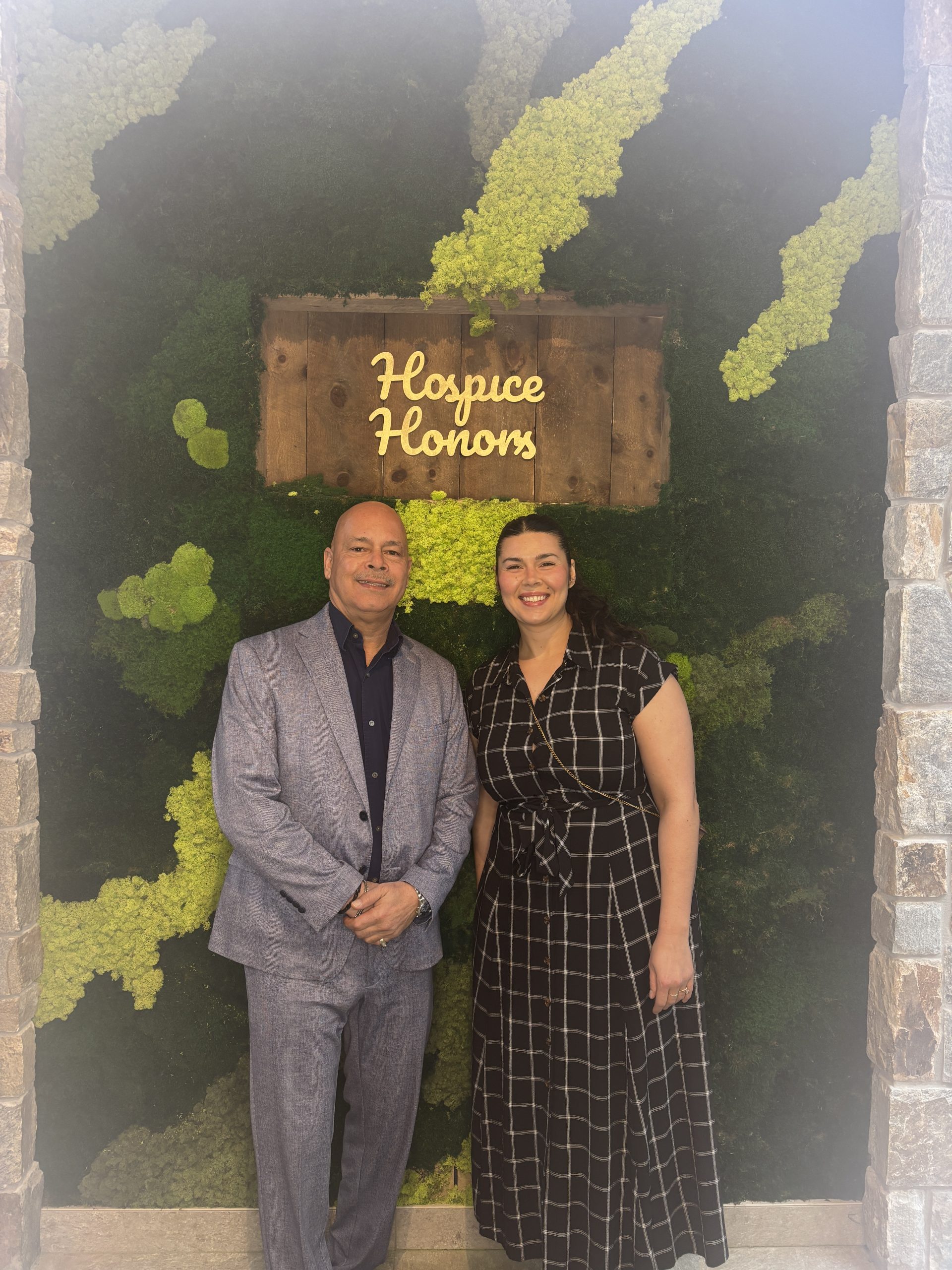
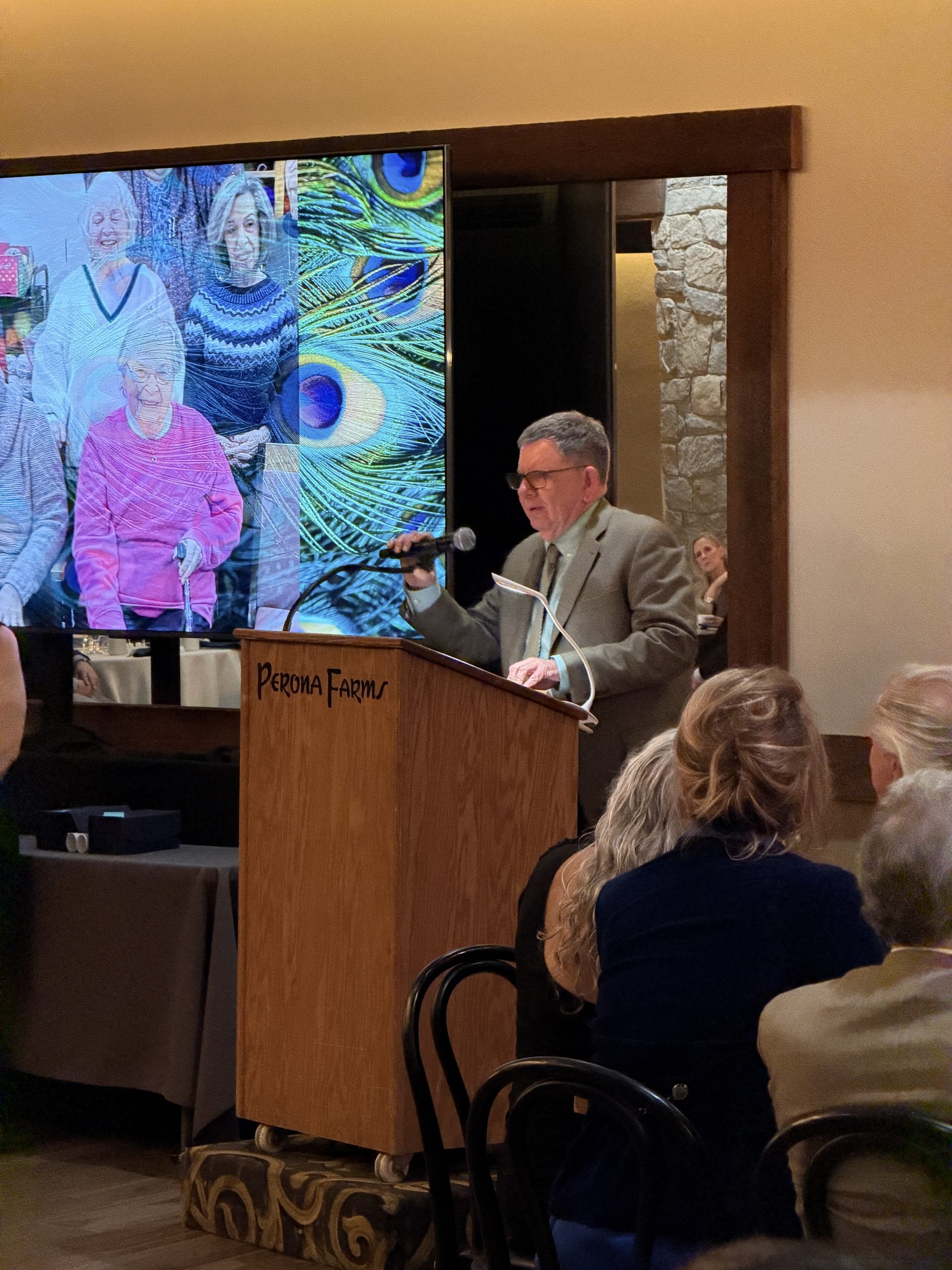
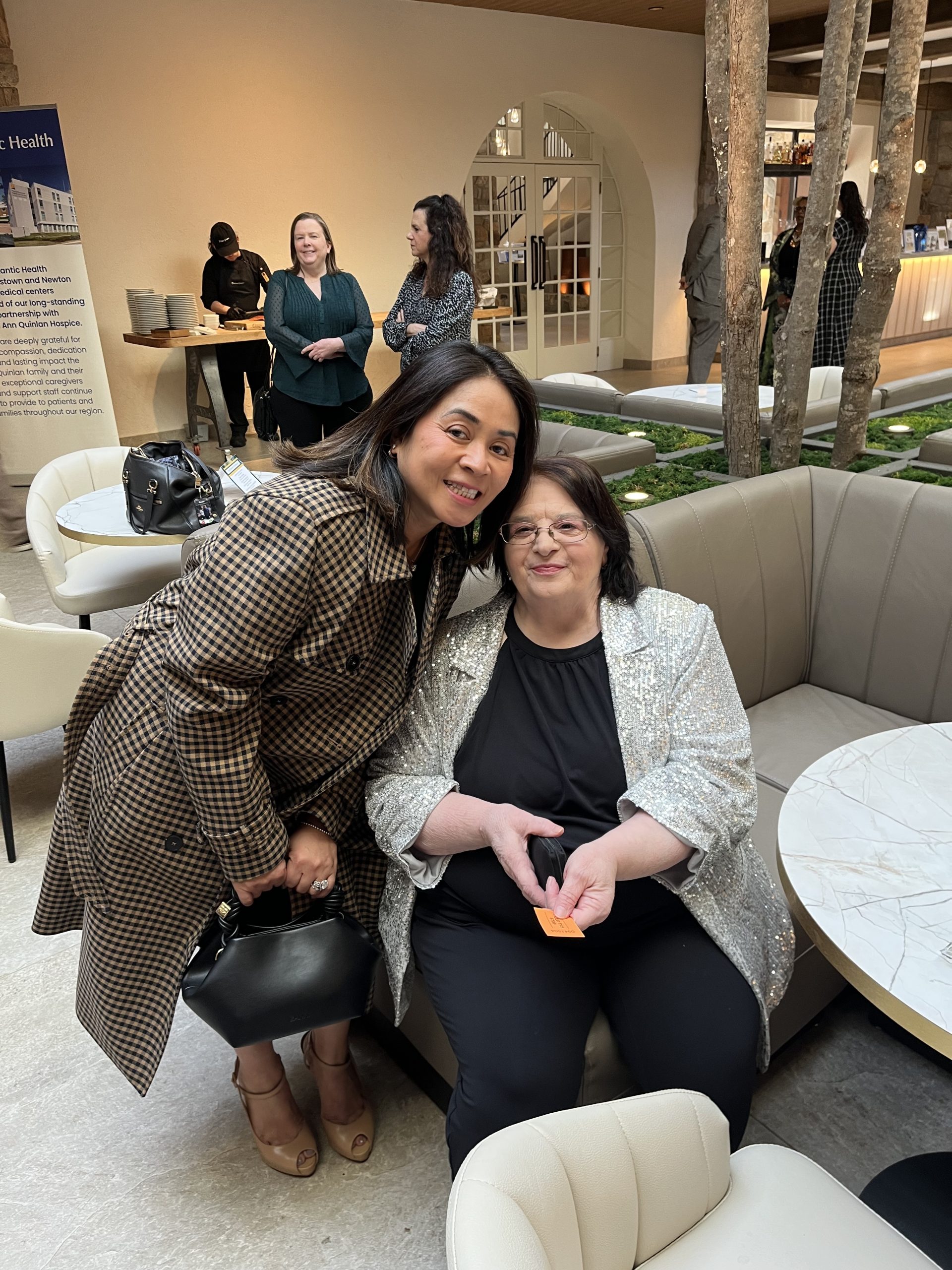
Mary Pradilla was presented the Carol J. Kientz Member of the Year Award at the the Conference. The award was given to a member who has gone above and beyond the benchmark of involvement in and commitment to the Home Care & Hospice Association of NJ and it’s work to serve as a catalyst for excellence in home care and hospice in New Jersey.
For more information about the Quinlan Care Navigators program please visit: quinlancare.org. If you are interested in becoming an end-of-life doula, the next in-person class starts on August 23 and information can be found online at Quinlancare.org/Navigators or by calling 973-782-1255.
National End of Life Doula Day – April 20th
National End of Life Doula Day (or National Death Doula Day) is observed on April 20th every year. This day aims to raise awareness about the role of end-of-life doulas and the benefits they provide to individuals facing death and their families. Doulas offer holistic support, including physical, emotional, and spiritual care, helping to navigate the end-of-life journey with compassion.

- What is an End-of-Life Doula?An end-of-life doula is a non-medical professional who provides support to individuals facing death, their families, and friends. They offer comfort, guidance, and advocacy throughout the end-of-life process.
- Why is National Death Doula Day Important?This day helps raise awareness about the valuable role end-of-life doulas play in providing compassionate and holistic care during a difficult time. It also encourages conversations about end-of-life planning and dying well.
Why we need End-of-Life Doulas now more than ever:
- There are 76.4 million Baby Boomers living in the US and 20% of them do not have children to act as caregivers
- 9/10 people want to be kept at home if they become terminally ill – yet over half are dying in the hospital or long-term care facility
- In 2034, adults aged 65 and over will outnumber children aged 18 and younger for the first time in US History. The number of people aged 65 and over is projected to increase from 52 million in 2018 to 98 million by 2060.
- As the number of elderly people is increasing, the number of medical professionals is decreasing. The US could see a shortage of 120,000 physicians ad will need 12 million new nurses by 2030.
- What do End-of-Life Doulas Do?They may assist with:
- Emotional support: Providing comfort and understanding to those facing death and their loved ones.
- Spiritual support: Assisting with finding meaning, peace, and connection during this time.
- Family support: Helping families navigate the emotional and practical challenges of end-of-life care.
- Advocacy: Helping ensure the individual’s wishes and preferences are honored.
- How to Celebrate National Death Doula Day?You can celebrate by:
- Learning more about end-of-life doulas and their work .
- Sharing information about the day with your network .
- Supporting end-of-life doulas and organizations that provide this care.
Quinlan Care Concepts partners with International Doula Life Movement to offer comprehensive EOL Doula training to all members of the Quinlan Care Navigators team. To learn more about becoming an EOL Doula please visit: https://www.internationaldoulalifemovement.com/newjersey-death-end-of-life-doula-specialist-program/