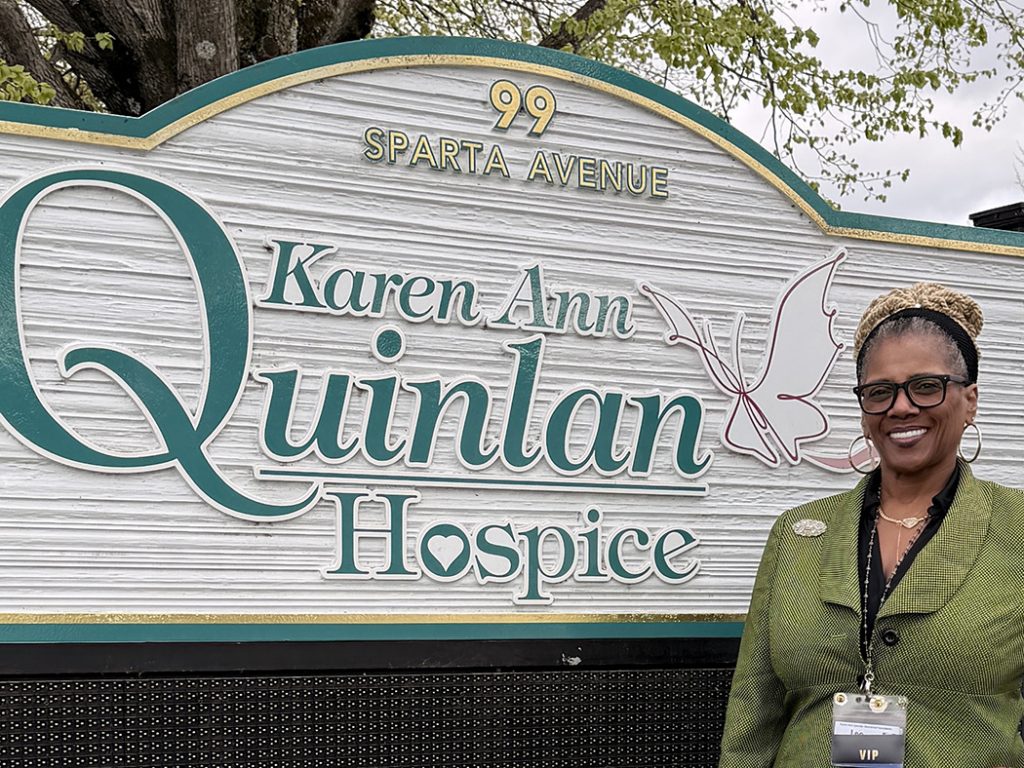
Karen Ann Quinlan Hospice Receives $5,000 Grant from First Hope Bank

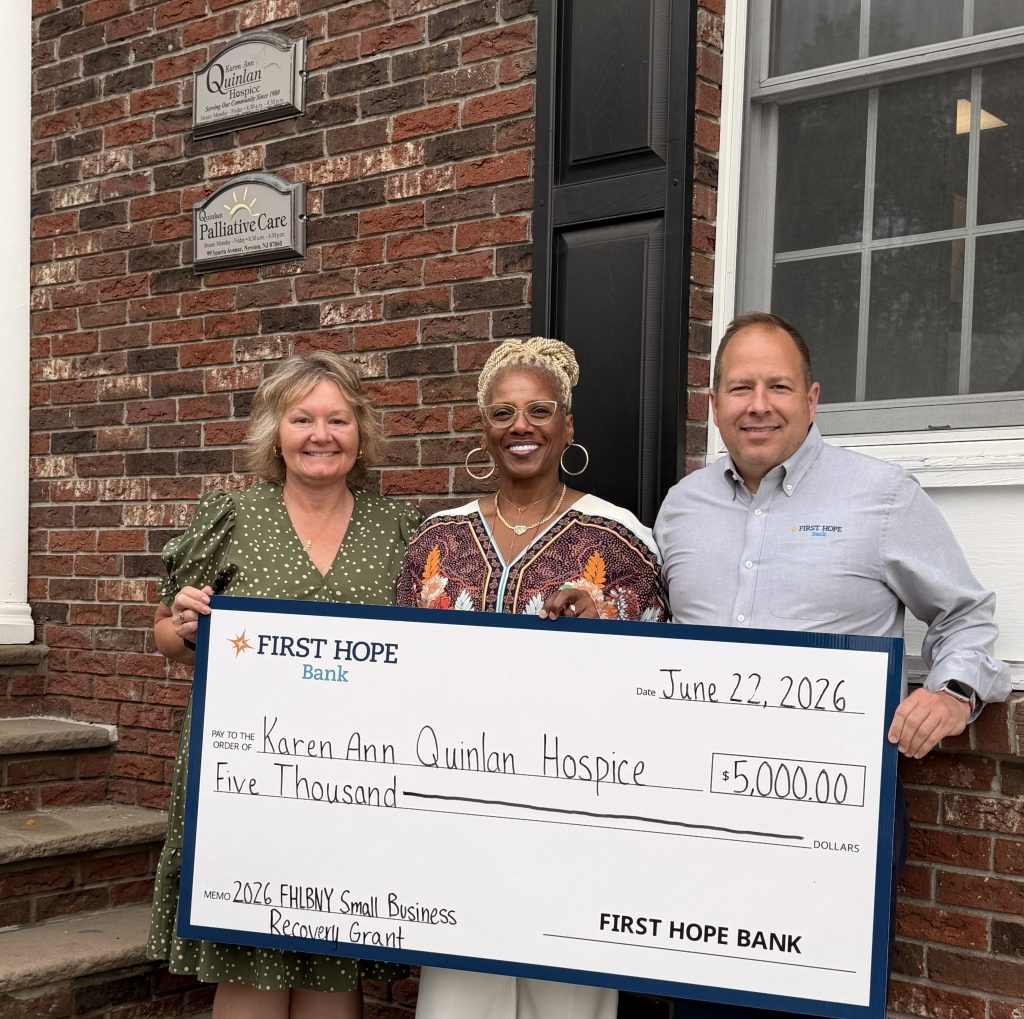
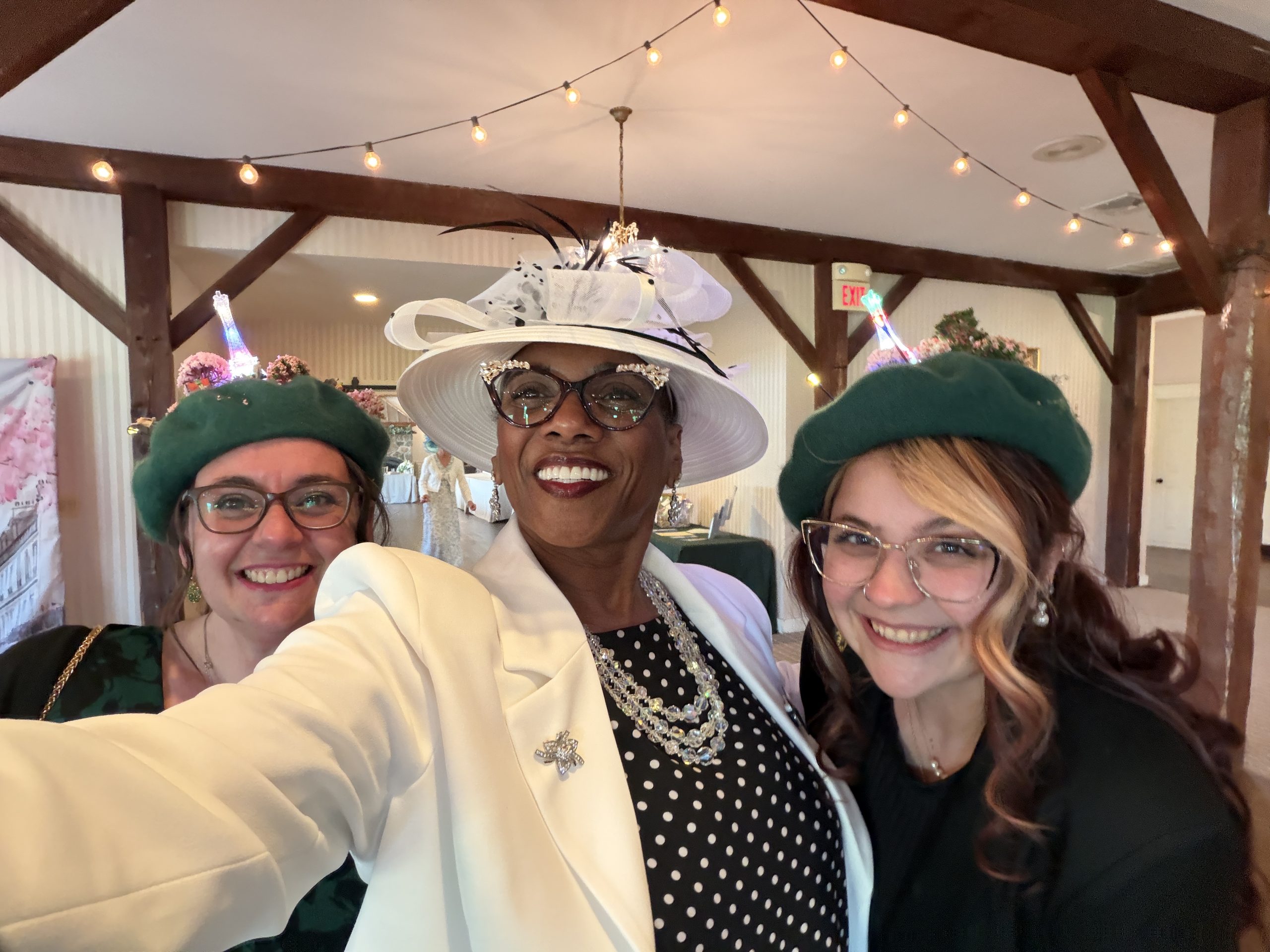
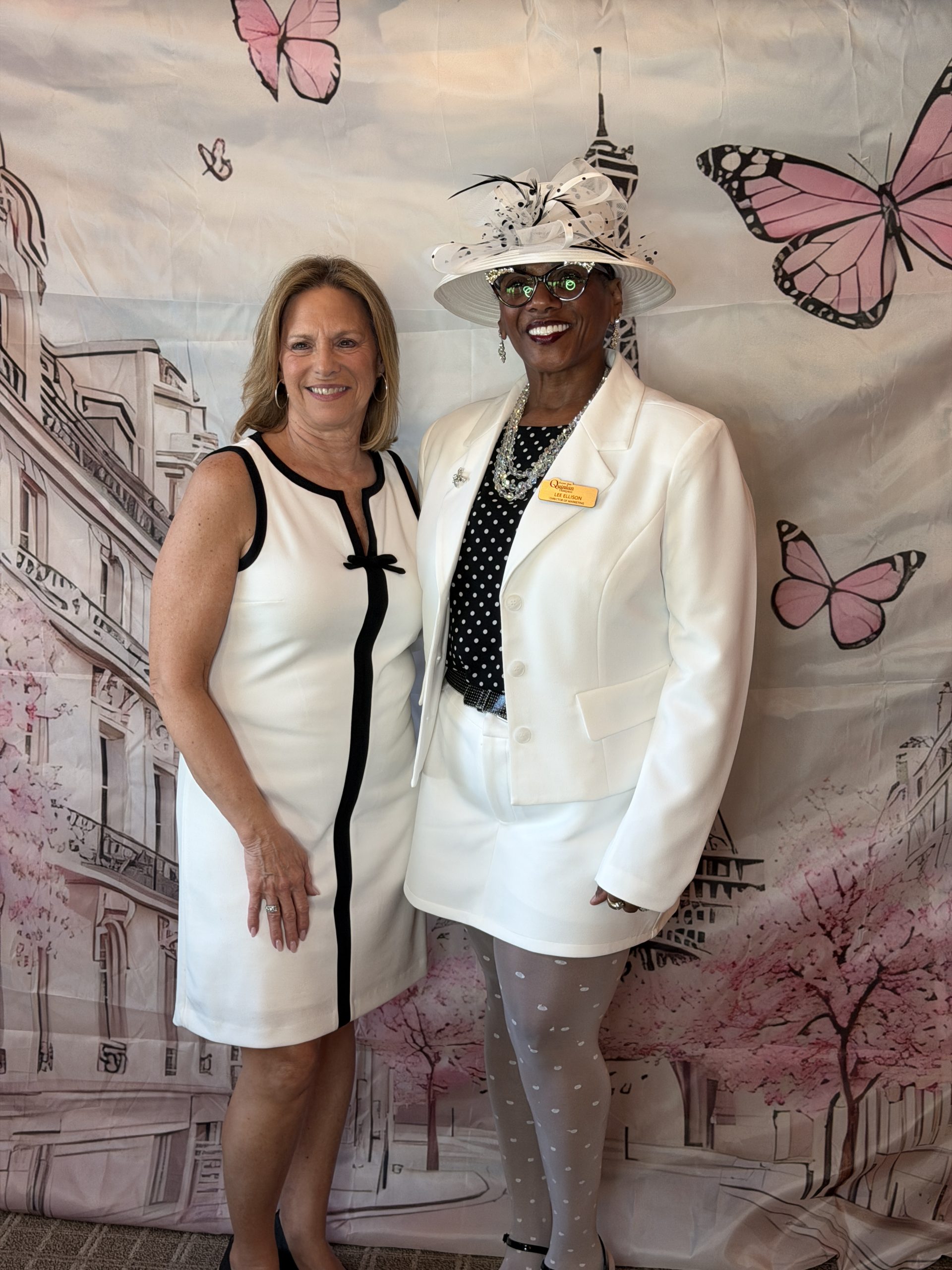
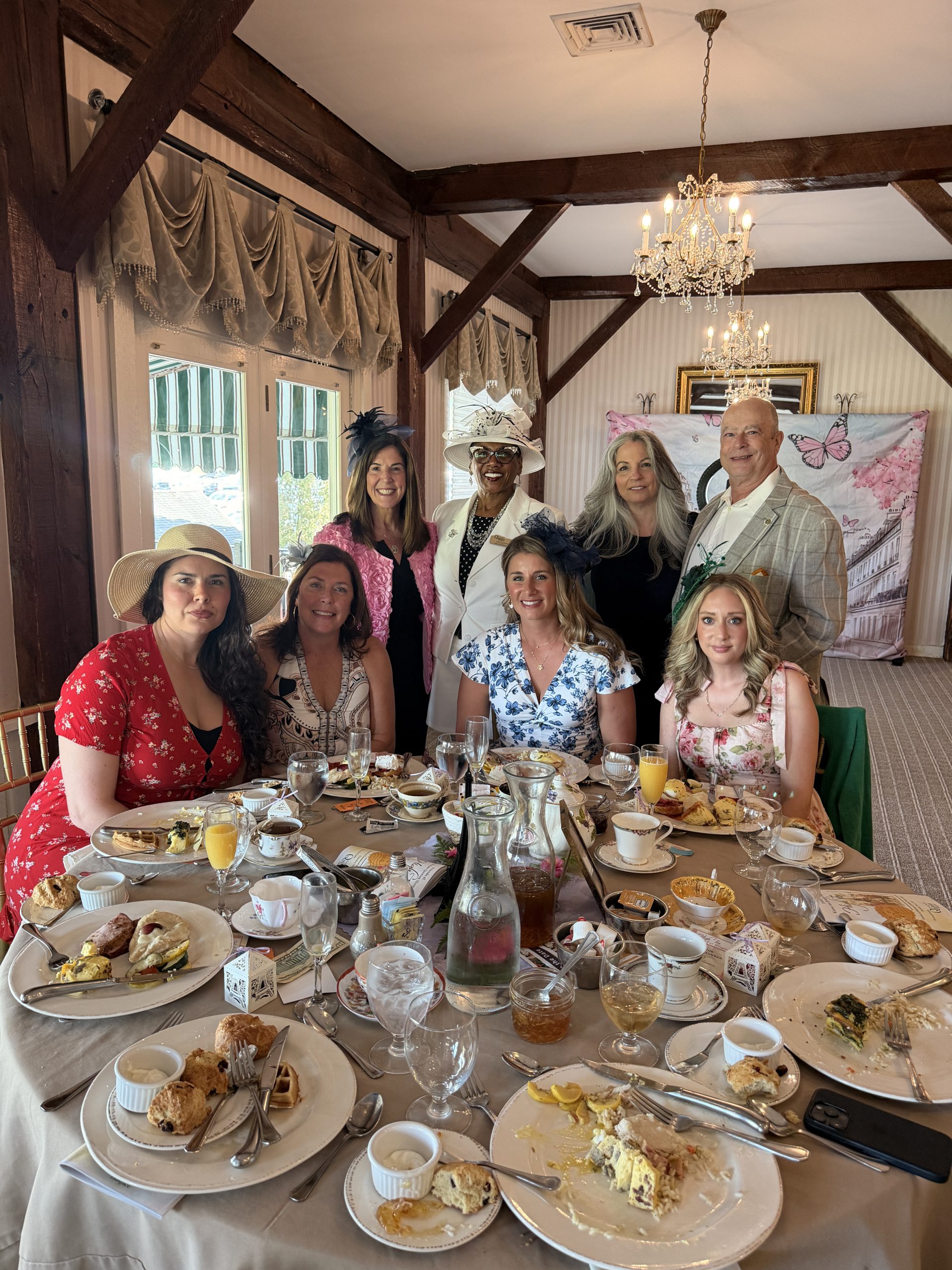
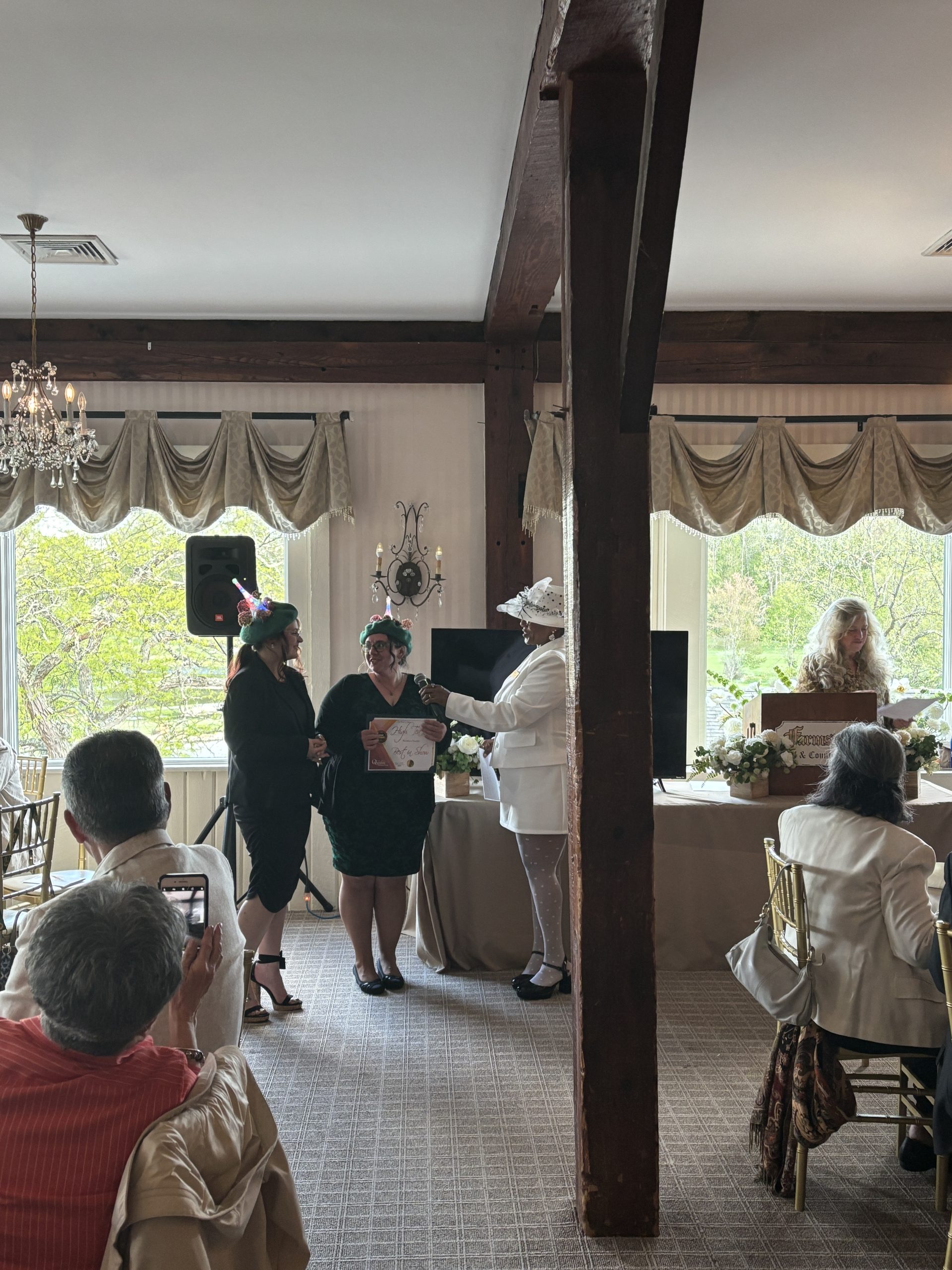
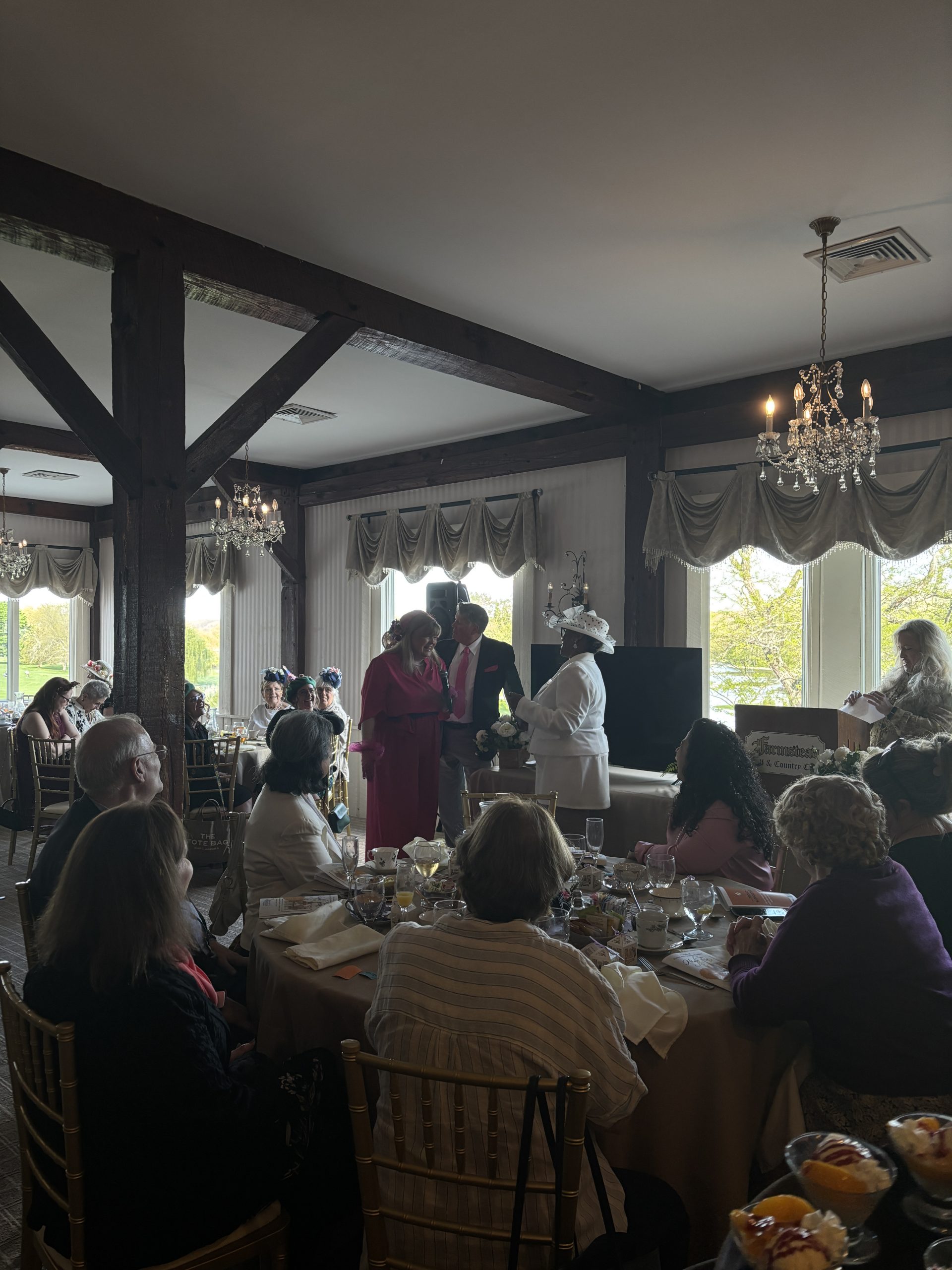
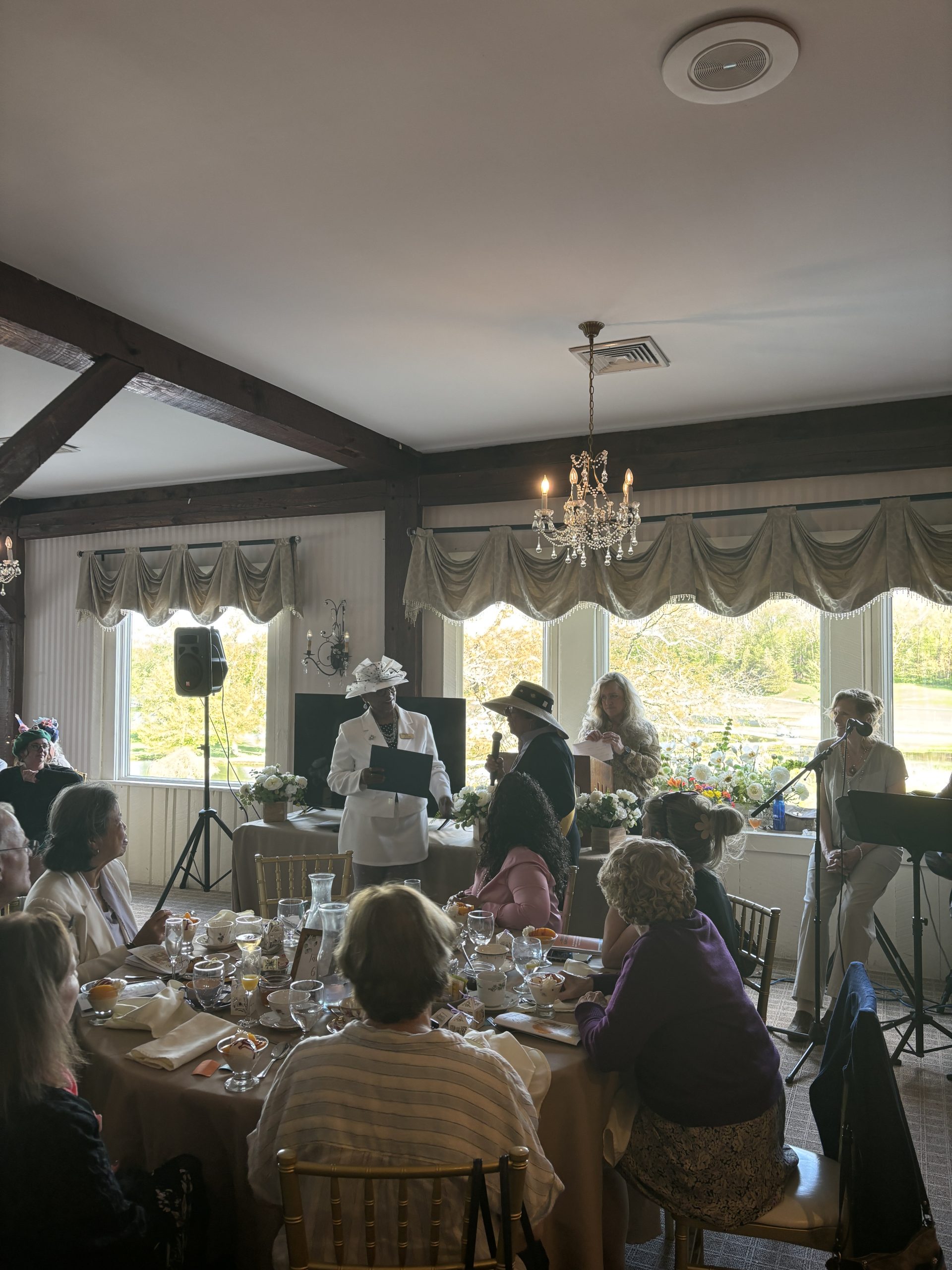
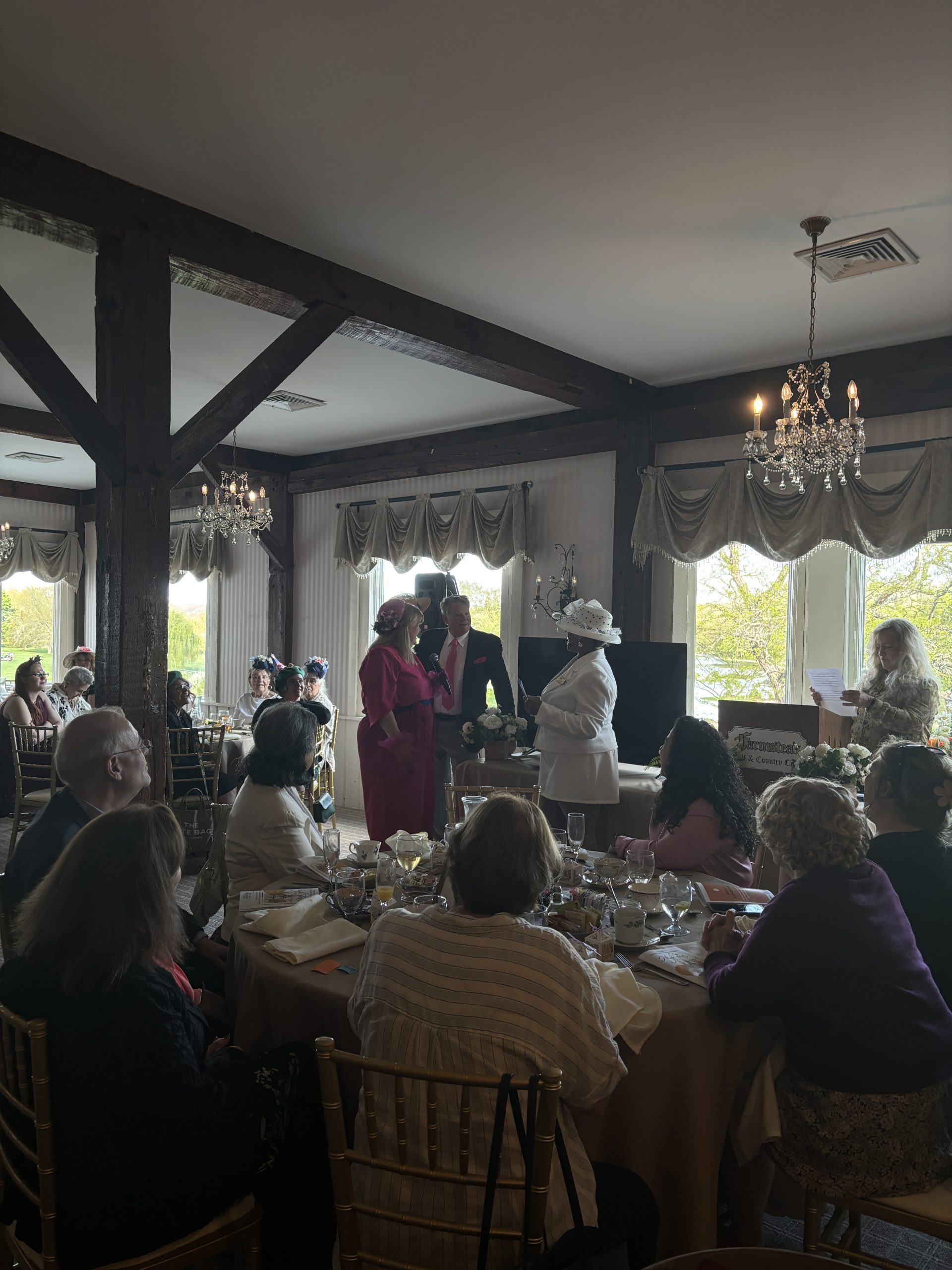
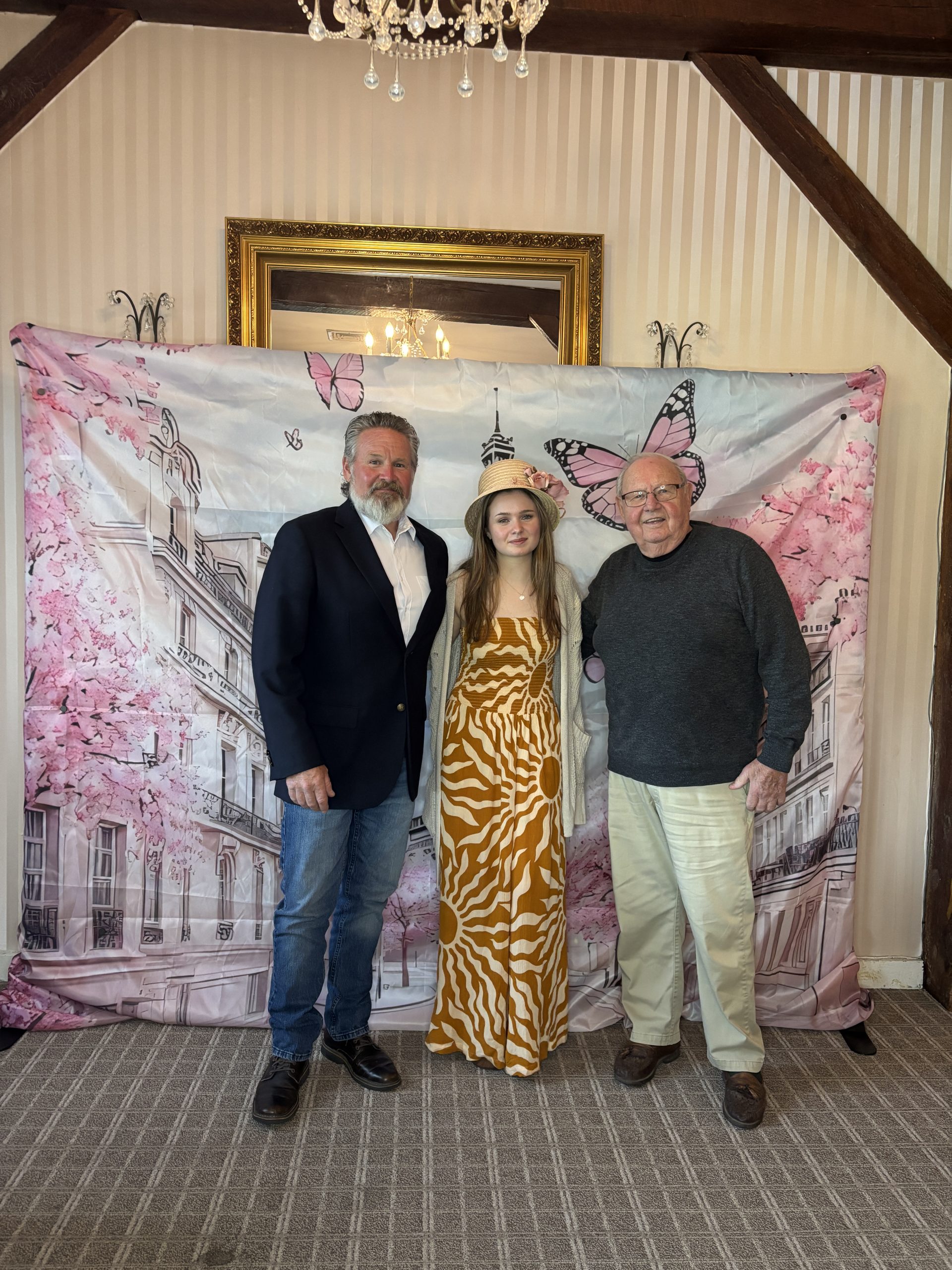
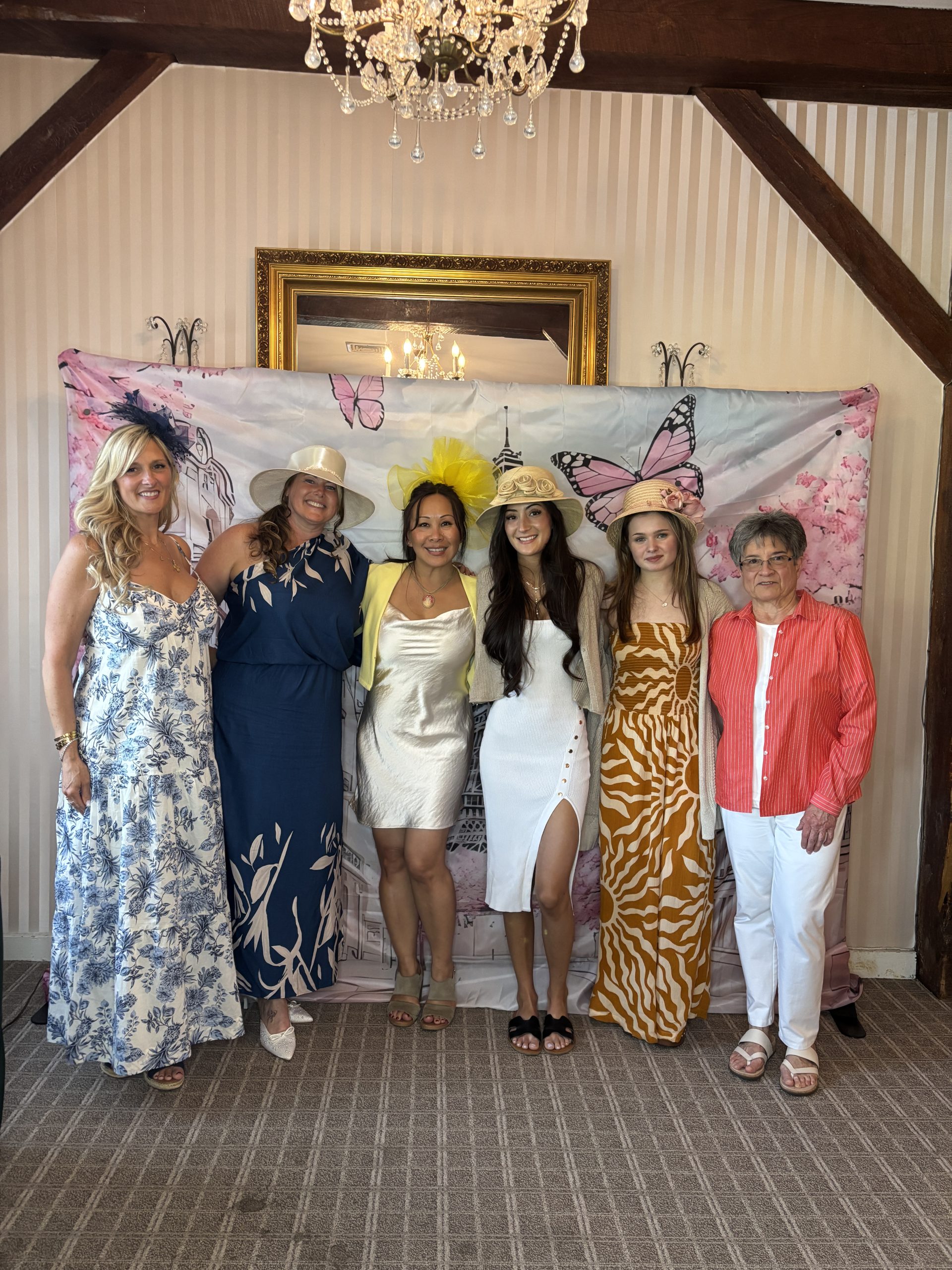
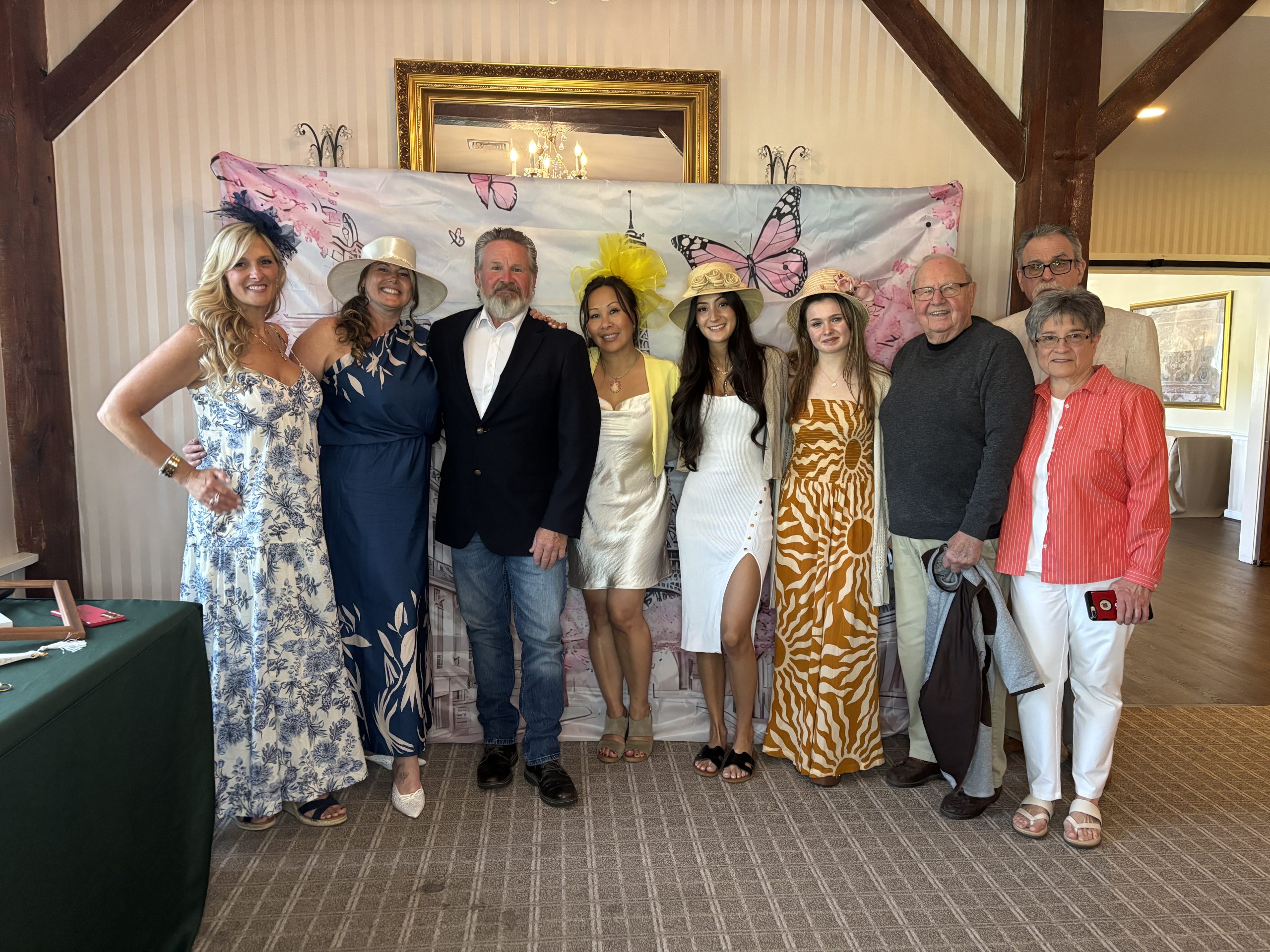
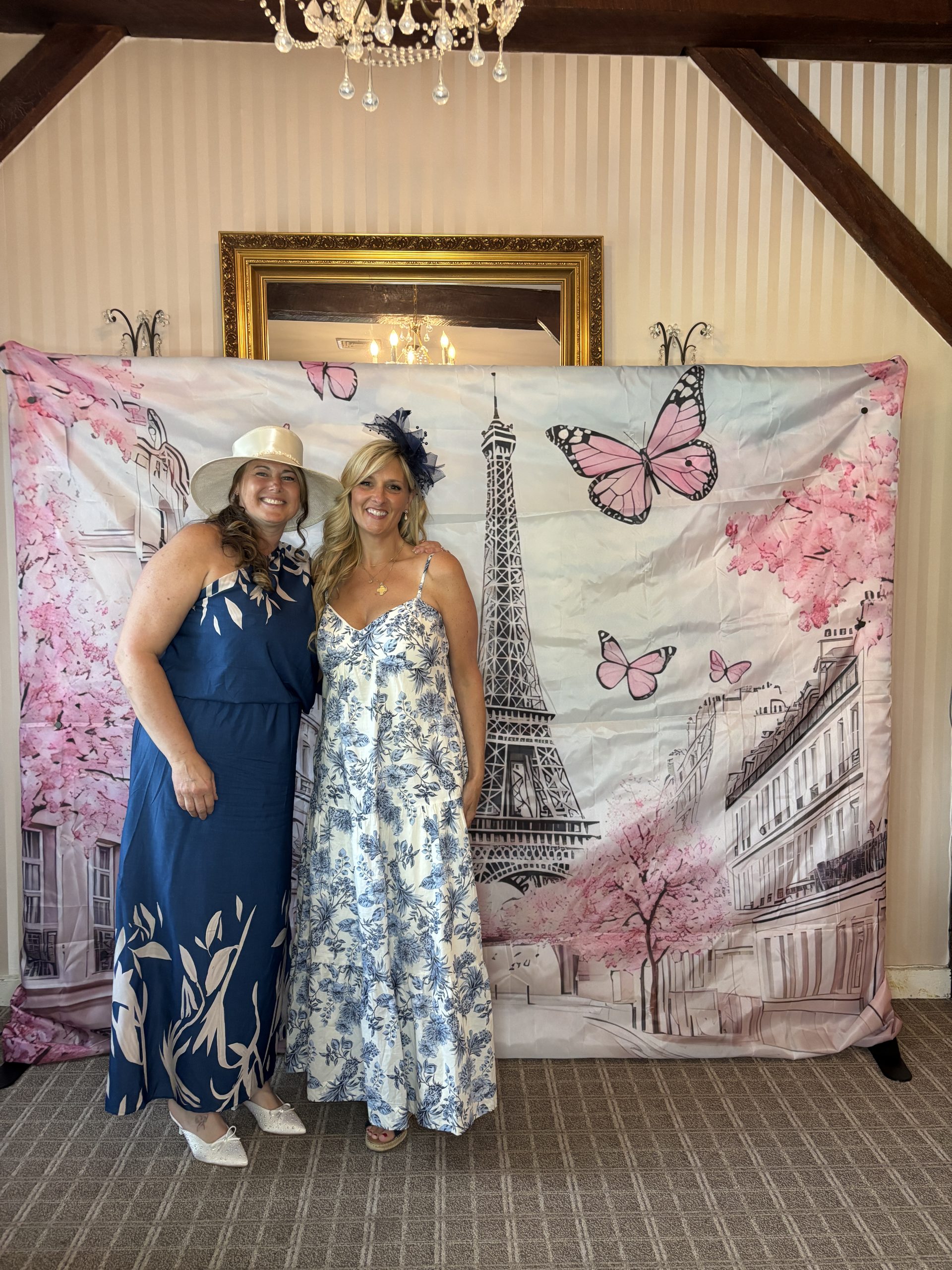
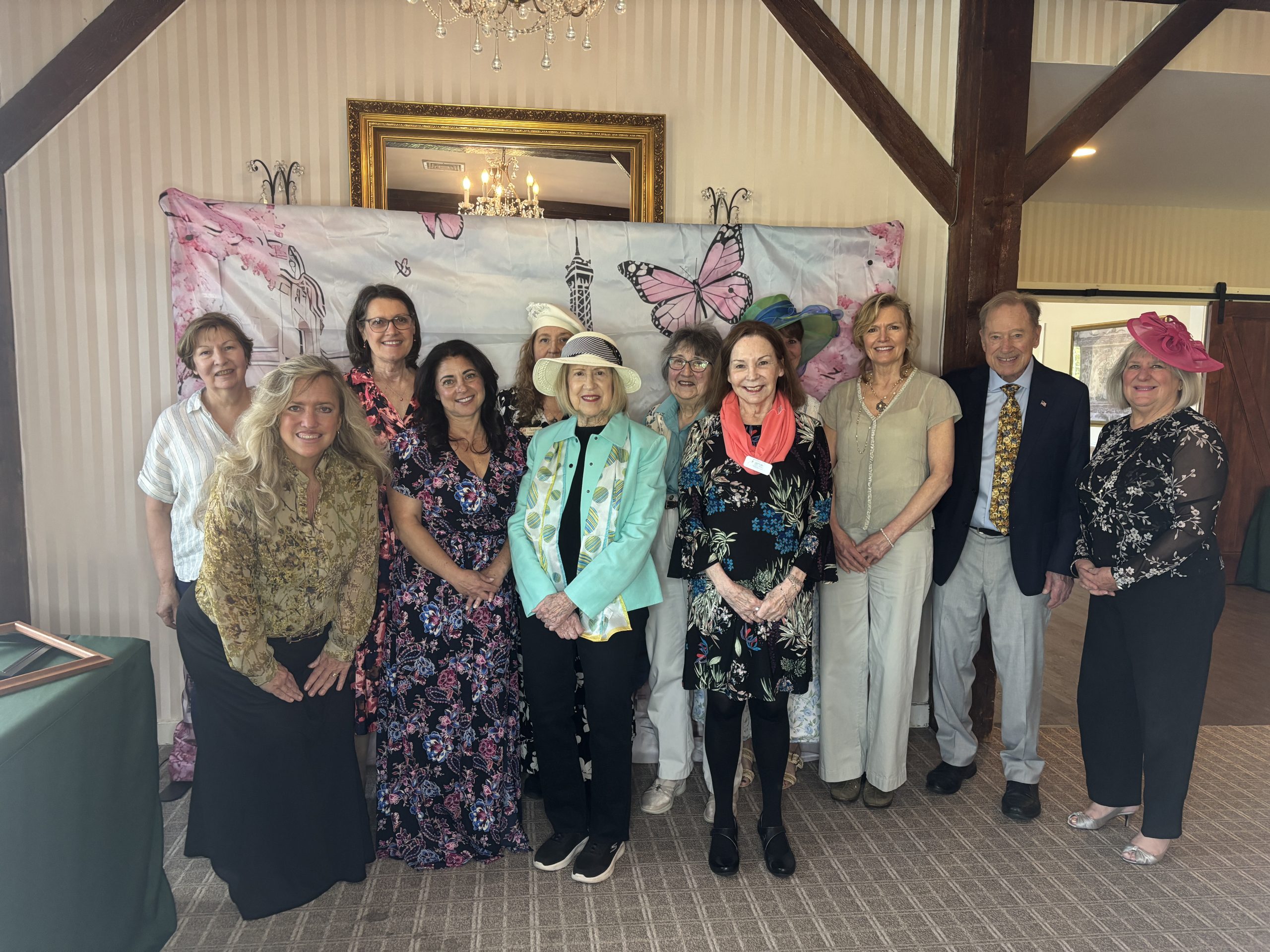
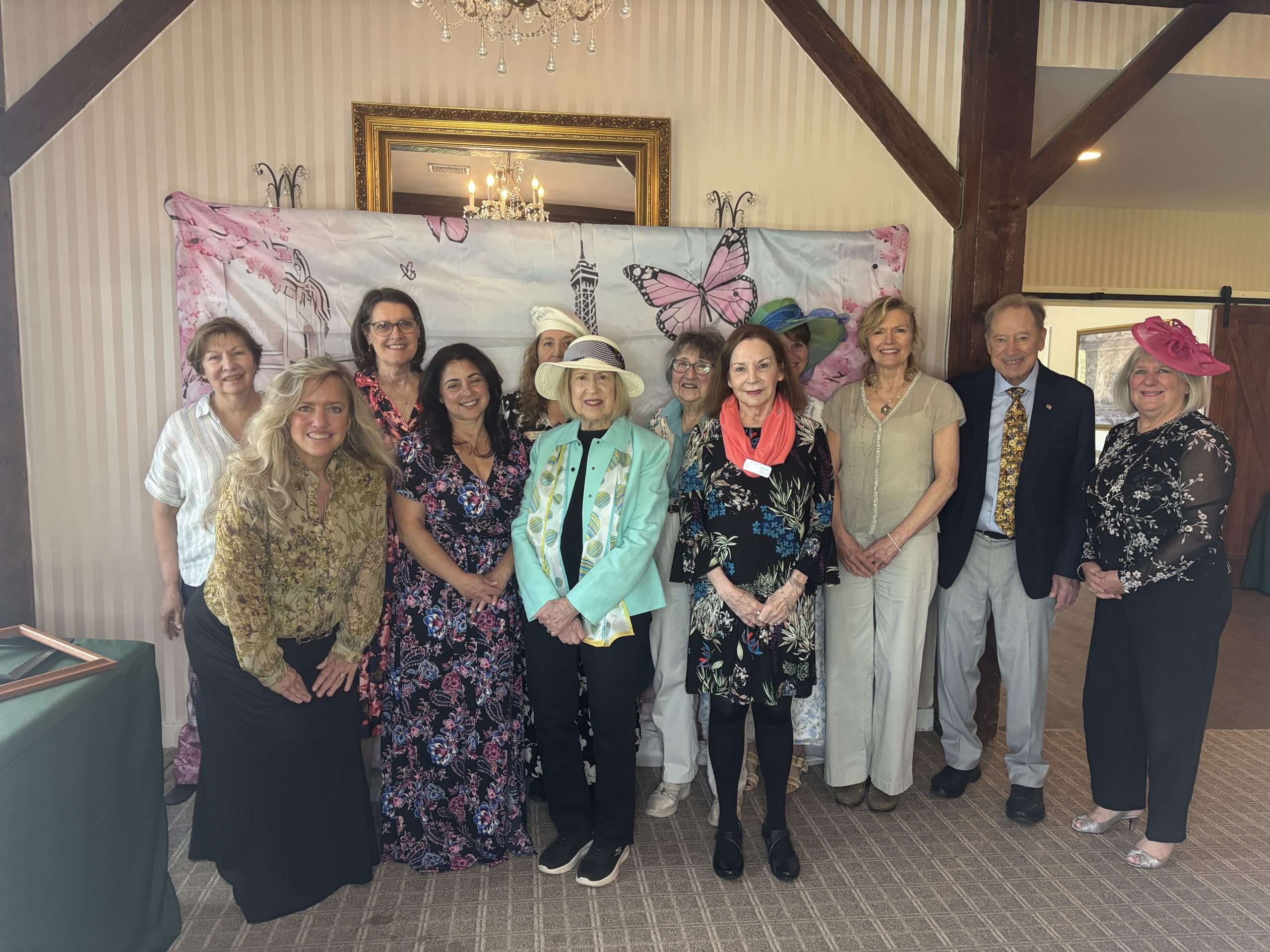
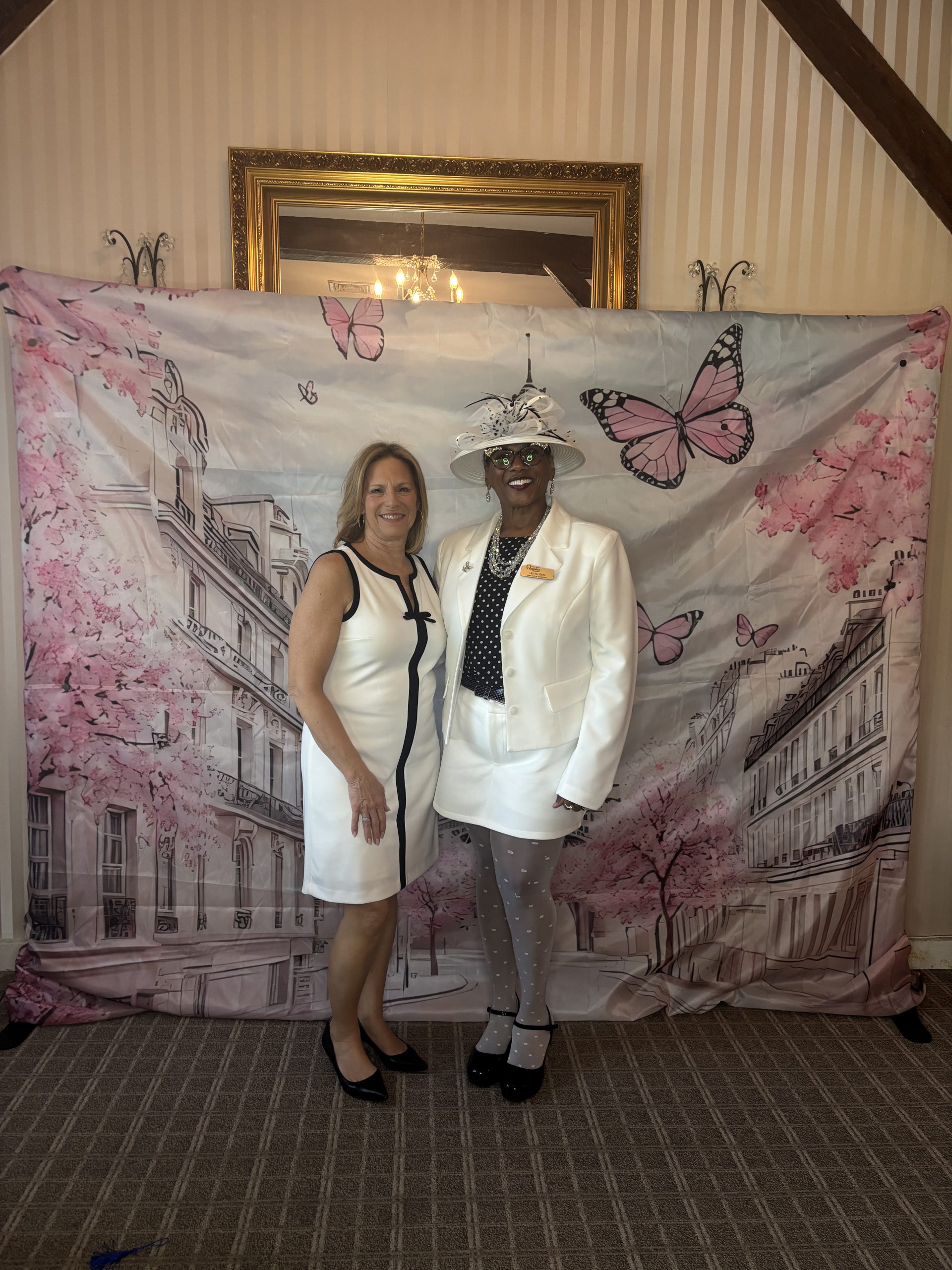
Karen Ann Quinlan Hospice is honored to announce it has received a $5,000 grant from First Hope Bank, supporting the organization’s continued mission to provide compassionate, high‑quality hospice care to the community.

Serving local families since 1980, Karen Ann Quinlan Hospice is a not‑for‑profit, five‑star hospice dedicated to delivering comfort, dignity, and support to patients and their loved ones.

The grant is part of First Hope Bank’s initiative to recognize and support qualifying small businesses, farms, and nonprofit organizations that have experienced economic challenges and supply‑chain constraints. This investment reflects the bank’s commitment to strengthening local organizations that make a meaningful difference in the communities they serve.

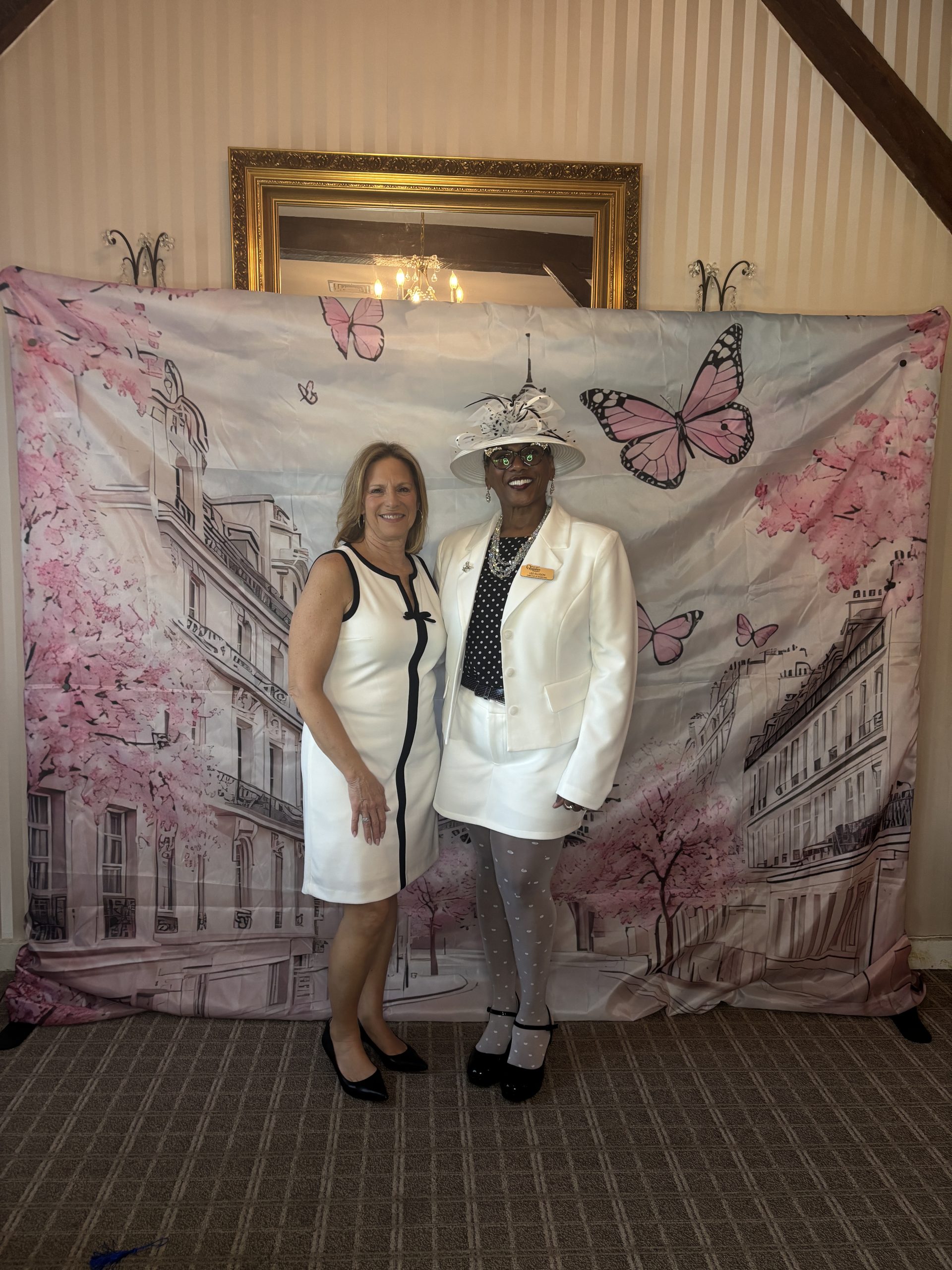
“It is truly an honor to be selected as a recipient of this grant,” said Lee Ellison, Executive Director of Karen Ann Quinlan Hospice. “When local organizations support one another, the entire community benefits.”

Karen Ann Quinlan Hospice extends its sincere gratitude to First Hope Bank for its generosity and continued commitment to supporting local, community‑based organizations.

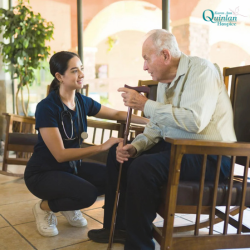
Caregiver kneels beside an elderly man with a cane, speaking with him in a hospice lounge setting.

The Circle of Life: How Birth and Death Mirror One Another

Just as there are short labors and long labors in birth, there are short and long transitions at the end of life.

Recognizing these parallels can help families worry less and understand more.

The life cycle. We are born, we experience, and then we die.

What I find interesting is that the beginning and the ending are similar but reversed.

There are two ways to be born, vaginally or by cesarean section. With a C-section, one minute you are floating in a warm, quiet place and the next you are in a cold, loud, uncomfortable place. With a vaginal birth you work and struggle to finally arrive in this cold, loud, strange place.

There are two ways to die — gradual or fast. Fast is when you are alive one minute and dead the next. A gradual death is when you die from a disease or old age. That often takes months.

With some births, mom sneezes and out pops the baby. With others, 36 hours later they are still working to push the baby out. Short labors, long labors.

Dying is like that also. Some of us can get out of our bodies easier than others. Short labors, long labors.

Food is another comparison to the beginning of life. We begin with water, progress to milk, then soft foods. Gradually, our menu increases until we are eating any and everything.

Click here to read full story: https://bkbooks.com/blogs/something-to-think-about/the-circle-of-life-how-birth-and-death-mirror-one-another

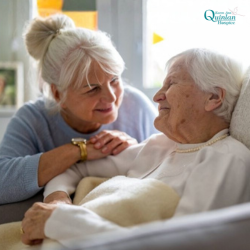
Caregiver with gray hair leaning over a smiling elderly woman in bed, softly holding hands in a warm, comforting moment.

What Matters Most at the End of Life: Treatment or Time Together?

Sometimes the question is not how long we can live, but how we want to live with the time we have.

I’m going to give you something to think about. Some of you will disagree with me—and that’s okay. I am simply offering another perspective on living as death approaches.

My husband was 89 years old when, during a routine chest exam, two lesions were found in his lung, very close to a lymph node. It was determined that these lesions were cancerous. To know exactly what kind of cancer they were, he would need an invasive lung biopsy. Knowing the type would help determine its rate of growth and what kind of treatment might be beneficial. The procedure would not eliminate or treat the cancer—only identify it.

My husband and I had a lengthy, open conversation. We decided that no matter the kind of cancer or possible treatments, at almost 90, death was already on the horizon. The question became: how did he want to spend his remaining time? With procedures and treatments, or living as fully as he could until he couldn’t.

Jack lived four months. Those four months were a gift of time for all of us. During that time, he did a lot of reminiscing, examining his life and his actions. Family came from out of town to support him and show their love. Our entire family grew closer.
Click here to read full story: https://bkbooks.com/blogs/something-to-think-about/treatment-vs-quality-of-life-end-of-life

Think It Might Be Time for Hospice? You’re Probably Right

Death from disease and old age doesn’t just happen. There are signs and changes that begin occurring months before death arrives. You can use those signs as a reference indicating when to call hospice.

By the time a hospice referral is made and/or the family and caregiver are thinking about hospice services, it is already well past the time guidance is needed.

Waiting too long before calling hospice can happen for a couple of reasons. Some may be in denial of the signs of approaching death. Others simply don’t know what it looks like as death approaches, and sadly the lack of direction by the medical profession to refer to end of life services.

Death from disease and old age doesn’t just happen. There are signs and changes that begin occurring months before death arrives. You can use those signs as a reference indicating when to call hospice. Remember, we really don’t want to see what we are looking for so our judgement and vision are distorted.

When a person has a life threatening illness and the changes below are occurring, it is time to call hospice, at least for an assessment visit.

Click here for the full story: https://bkbooks.com/blogs/something-to-think-about/think-it-might-be-time-for-hospice-you-re-probably-right

Elderly man using a walker being assisted by a nurse outdoors among orange autumn leaves in a sunlit setting.

The Quiet Work of Old Age

I debated sending out this blog — it might be a bit scary, too unsettling. Maybe ignorance truly is bliss. So this is your warning! If you are in your late 70’s or above this may be unsettling to read.

The circle of life. We are born, we experience, and then we die. We go through labor to enter this world. Mom does most of the work, but it is still an effort for us to enter this cold, bright, loud world.

Upon entry, we are first given mom’s milk, then progress to water and soft foods, and finally we have regular food. Also in those early months we sleep (hopefully, for our parents) most of the time. Our awake time gradually increases as napping decreases and we are just sleeping all night. 

Let’s add socialization to our similarities. The first smiles of recognition are from our inner family circle. Gradually, our circle expands from parents, to family, to friends, to the neighborhood, to the community, to the world.

Click here to read the full story: https://bkbooks.com/blogs/something-to-think-about/the-quiet-work-of-old-age

They Sit With the Dying: Why Hospice Volunteers Matter

Hospice volunteers are at the heart of end-of-life care—but their role goes far beyond what most people understand. Let’s look at what draws people to this work, why self-awareness matters, and how volunteers bring something no one else can: time.

What do hospice volunteers do, and why are they such an important part of end-of-life care? 

I’ve worked in hospice for quite a long time. I started out as a hospice volunteer in 1982. It was the very beginning of hospice care in the US. In those days, I volunteered much of my time — I gave 20 hours a week as a supportive nurse to the one newly hired RN.

Why did I want to be involved in hospice care? Why did I give so much of my time? I really don’t know. I just knew I was drawn to end of life work, that I felt I had something to offer, and that I really, really wanted to do this work. I’ve since learned that most of us who volunteer or did volunteer for hospice are drawn to it and are doing it because we are almost compelled to it — to help, to guide, to support.
Click here to read the full story: https://bkbooks.com/blogs/something-to-think-about/they-sit-with-the-dying-why-hospice-volunteers-matter

Karen Ann Quinlan Hospice Receives Donation from Local Music Festival

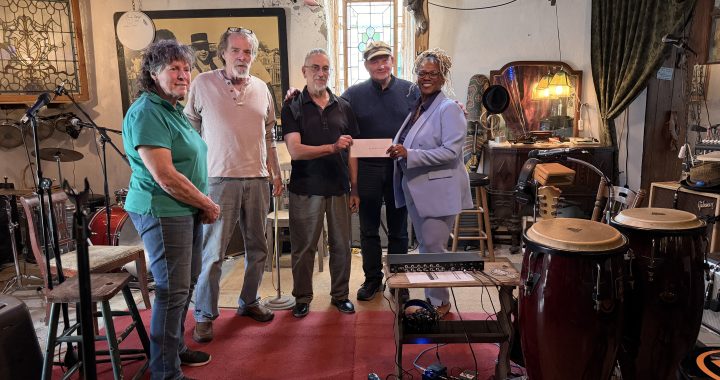
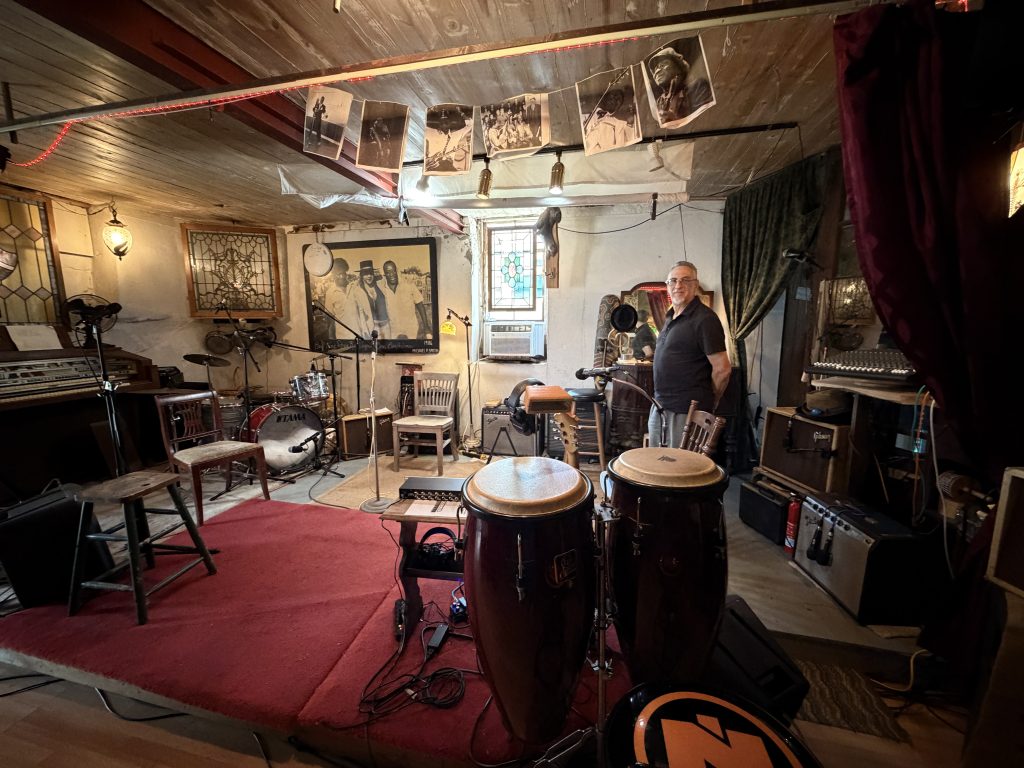
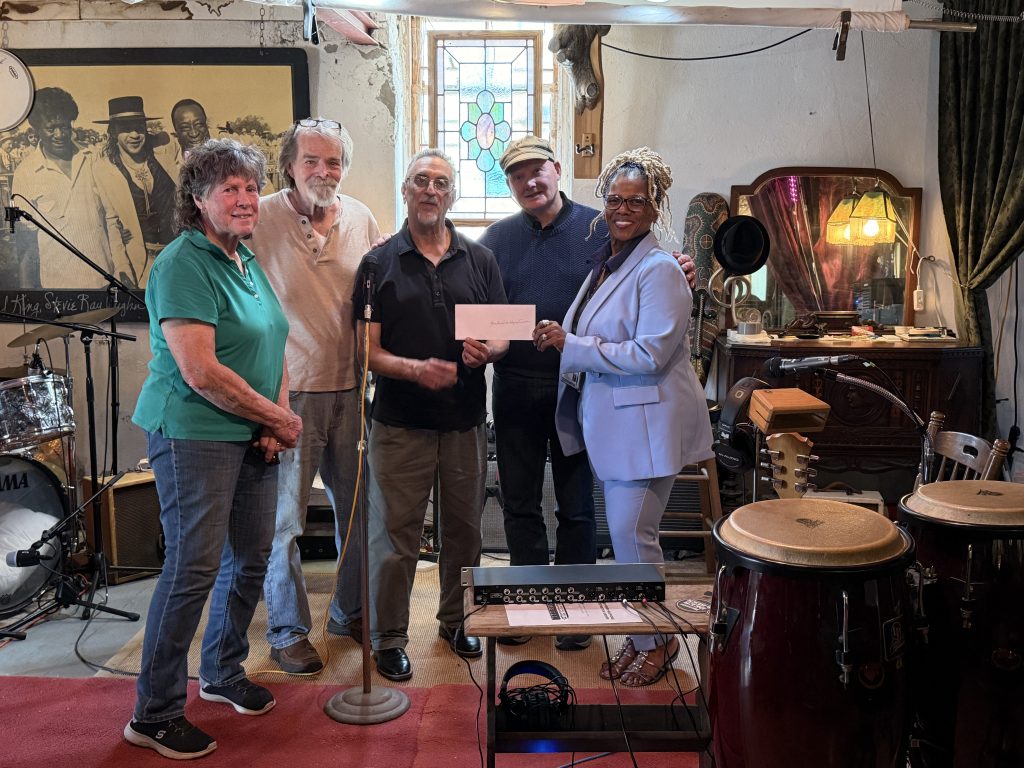
Karen Ann Quinlan Hospice recently received a generous donation from Bucks County Horse Park Inc. and The Blues Farm Foundation, raised during the Seahorse Blues and Rock Fest, a community music event held at Bucks County Horse Park in Ottsville (Revere), Pennsylvania.

The festival featured live music on two stages, swing dancing, food trucks, raffles, craft vendors, and children’s activity tables. Proceeds from the event benefitted Karen Ann Quinlan Hospice, along with the Finesville Food Pantry and the Phillipsburg Free Public Library.

According to Gene Stickle of The Blues Foundation, the decision to support Karen Ann Quinlan Hospice was personal. A close friend previously received hospice services from the organization, and the donation was made as a way to give back to the hospice that supported the family during a difficult time.

Bucks County Horse Park Inc. has served the community for nearly four decades, offering a place to ride, compete, learn, and gather while preserving open space for the region. More information about upcoming events and fundraisers can be found at
https://www.facebook.com/thebuckscountyhorsepark.

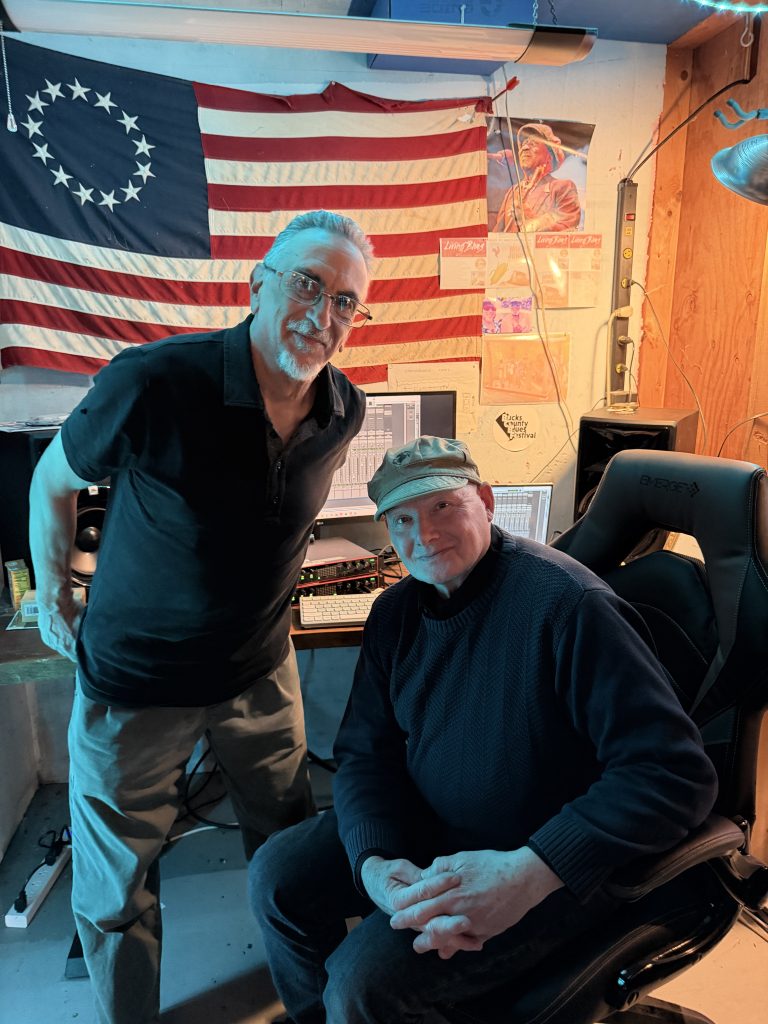
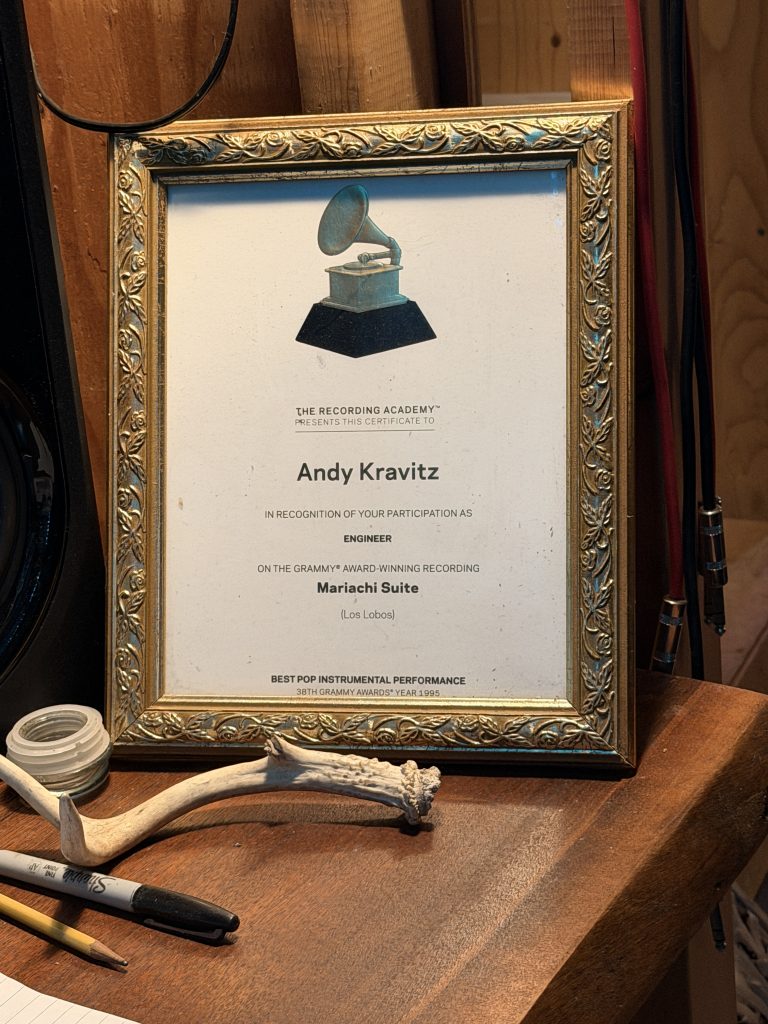
The Blues Farm Foundation, located at 55 Pinchers Point Road in Phillipsburg, New Jersey, plans to host additional live music events this season and features a state‑of‑the‑art recording studio for artists.

Karen Ann Quinlan Hospice expressed appreciation for the continued community support, noting that contributions such as these help sustain compassionate hospice care and services for patients and families throughout the region.

Slipping Into the Shoes of a Hospice Patient

How does a person feel as a hospice patient?  Everyone is waiting on them, they are unable to do things for themselves. They have to wear diapers and probably don’t want to be a problem for caregivers. Often, their well-meaning loved ones stay for long visits when they want to rest.

I don’t think there is a “one size fits all” answer here. I can only guess, not having been in that situation yet. What stands out for me is that whether we are facing the end of our life or have a serious illness or some sort of debilitation, how we react and respond is going to be according to our personality. It is going to be how we have faced other challenges and life situations.

Challenging life situations generally don’t change how we react or respond to others. Our personality traits are mostly just intensified.

So — if I am a very private person, I will probably have a challenge accepting all of the attention. If I’m an extrovert, then interacting with others can be helpful. You see where I am going with this. Look at the person, their personality, how they would react if they were well and that is probably what they are thinking and how they would want to be treated now. But even more so.

The one way of addressing these questions in the months before death is to ask, How do you feel about all this company? Do you want to talk about all the changes that are occurring? 

Click here to read full story: https://bkbooks.com/blogs/something-to-think-about/slipping-into-the-shoes-of-a-hospice-patient

Karen Ann Quinlan Hospice Names Lee Ellison Executive Director

Newton, NJ — The Karen Ann Quinlan Memorial Foundation is pleased to announce that Lee Ellison has been appointed Executive Director of Karen Ann Quinlan Hospice.

Ellison brings more than three decades of leadership experience, including over 26 years in senior management and nearly a decade of dedicated service to Karen Ann Quinlan Hospice. Most recently serving as Director of Marketing and Media/Business Development, Ellison has played a pivotal role in advancing the organization’s mission through program development, community engagement, donor growth, and strategic initiatives that strengthen hospice and palliative care services throughout the region.

“Lee Ellison embodies the mission, values, and vision of Karen Ann Quinlan Hospice,” said the Karen Ann Quinlan Memorial Board of Trustees. “Her knowledge, proven leadership, and unwavering commitment to compassionate end‑of‑life care make her exceptionally well‑prepared to lead the organization into its next chapter. The Board has full confidence in Lee’s ability to guide our hospice with integrity, innovation, and a steadfast focus on those we serve.”

Under Ellison’s leadership, the organization has achieved significant milestones, including national recognition initiatives, expanded community partnerships, and sustained growth in donor engagement and outreach. Her appointment reflects the Board’s commitment to continuity, excellence, and mission‑driven leadership.

“I am honored to serve as Executive Director of Karen Ann Quinlan Hospice,” Ellison said. “This organization holds a special place in my heart, and I am deeply committed to ensuring that every patient and family we serve continues to receive compassionate, dignified, and exceptional care.”

Adjusting After Our Person Has Died

It is a challenging part of life, both emotionally and physically, to figure out how to live productively when this person is no longer with us…

We think of grief as mourning, of our emotional reaction to a loss. The tears, the “I miss her so much,” the sadness she is no longer with you. Grief is sadness. For some, it may be a relief that someone or something is no longer a part of our life.  We don’t just grieve for those we care about. We grieve for people we are challenged by also.

Another component when experiencing the death of someone close to us is learning how to live without that person. The component that extends beyond the emotional and into the physical, day to day life experiences. The adjusting to a new way of living, of figuring out how to be productive with this person no longer in our life.

For husband and wife, partners, or any other people living together like a parents and child or friends, our entire daily routine changes. Adjustments have to be made. Habits changed. How do I cook for just one? What do I do with all this time that I used to fill with caregiving? The “you mean I really get to watch the show I want?”

Click here to read the full story: https://bkbooks.com/blogs/something-to-think-about/adjusting-after-our-person-has-died

Acknowledging My Grief and Gratitude

Thanksgiving! A day of gratitude for a year of blessings. For many it is a challenge to find blessings in this chaotic world. For those living with a life-threatening illness, caring for someone faced with end of life issues, or experiencing their first year or even years of grief, it can be hard to find anything to be thankful for.

That’s how I feel today. I’m tired. I’m concerned about the world. I’m sad some of my family won’t be with me this Thanksgiving holiday. I miss my husband Jack.

He was my go-to person for helping me understand the world. He was my guidance when life seemed precarious; a strong, reassuring presence to my uncertainty.

As I am writing this, the thought, “what does this have to do with Thanksgiving?” popped into my head. It made me think for a moment.

My thoughts: I am grateful and thankful for the years I had with him. For the reassurance, the sense of security he brought into my life and our family’s life. I am thankful for the children we raised together, for the love of animals and travel we shared, for the sense of stability our partnership provided. I was not alone. We had each other.

Click here to read the full story: https://bkbooks.com/blogs/something-to-think-about/acknowledging-my-grief-and-gratitude

Stop Chasing Vitals. Start Comforting.

As death approaches, taking a blood pressure is one more unnecessary intrusion for the patient and for the family. Will what you learn affect anything?

A hospice nurse asked if we, the medical caregivers, should be taking scheduled or frequent blood pressures when caring for someone whose end of life is approaching. That question made me think about how tuned into medical procedures we healthcare workers are. Blood pressures, lab work, pulse, respirations, and temperature — all routinely taken and recorded. 

My answer is NO we do not need to take a blood pressure (or any of the other routine medical procedures) every visit, and particularly when the active, imminent dying process has begun. 

What are we going to do with that knowledge? What can we do? What will it tell us that we don’t already know? This person is actively dying. Other more important signs tell us that death is approaching: congestion, changes in breathing, awareness level, a weak pulse, or mottling – a discoloration of hands and feet. Those signs tell us what we need to know about the patient’s condition. Who needs the blood pressure?

As death approaches, taking a blood pressure is one more unnecessary intrusion for the patient and for the family. Will what you learn affect anything? Are you going to do anything about it? 

Click here to read the full story: https://bkbooks.com/blogs/something-to-think-about/stop-chasing-vitals-start-comforting

Guilt and Grief: What We Carry and How to Set It Down
Guilt is part of love’s shadow — the echo of what we wish we’d done differently. Healing begins when we release that burden and let how we live now be the gift we give to the one we miss.
Oh guilt! We carry so much in our minds and our hearts. Feeling guilty seems to be a natural part of living. BUT how much is worthy of all the energy we give it? How much is built on prior thoughts and conditioning? Even though guilt is unproductive, we humans experience and carry way too much of it with us.

We could let our feelings of guilt help us live better. We could recognize it for the reminder of the past that it is. We could make amends, say I’m sorry, try not to do the thing that is causing us to feel guilty again. We could let go of the past and move forward with its lessons learned. 

As end of life approaches, we the caregivers, relatives, and significant others often carry an immense burden of guilt as we watch our special person approach death. Thoughts of “I wish I had,” “I should have,” “what if?” and  “why didn’t I?” often fill our minds.

Click here to read the full story: https://bkbooks.com/blogs/something-to-think-about/guilt-and-grief-what-we-carry-and-how-to-set-it-down